Predator: Race War: Comic Overview

Predator: Race War is a five-issue Predator comic series with story by Andrew Vachss and script by Randy Stradley, published by Dark Horse Comics from February to October 1993. Jordan Raskin and Lauchland Pelle penciled it, with painted covers by Dave Dorman. It follows a Predator into Arizona's Paloverde State Penitentiary after convicted killer Mark Anthony Towers claimed the Canyon Killings that were the hunter's work, while the mercenary Cross went undercover for a government task force that hoped to take the alien alive. It is one of the Dark Horse Predator comics set on Earth.
Story Summary
Kenya And The Rogue
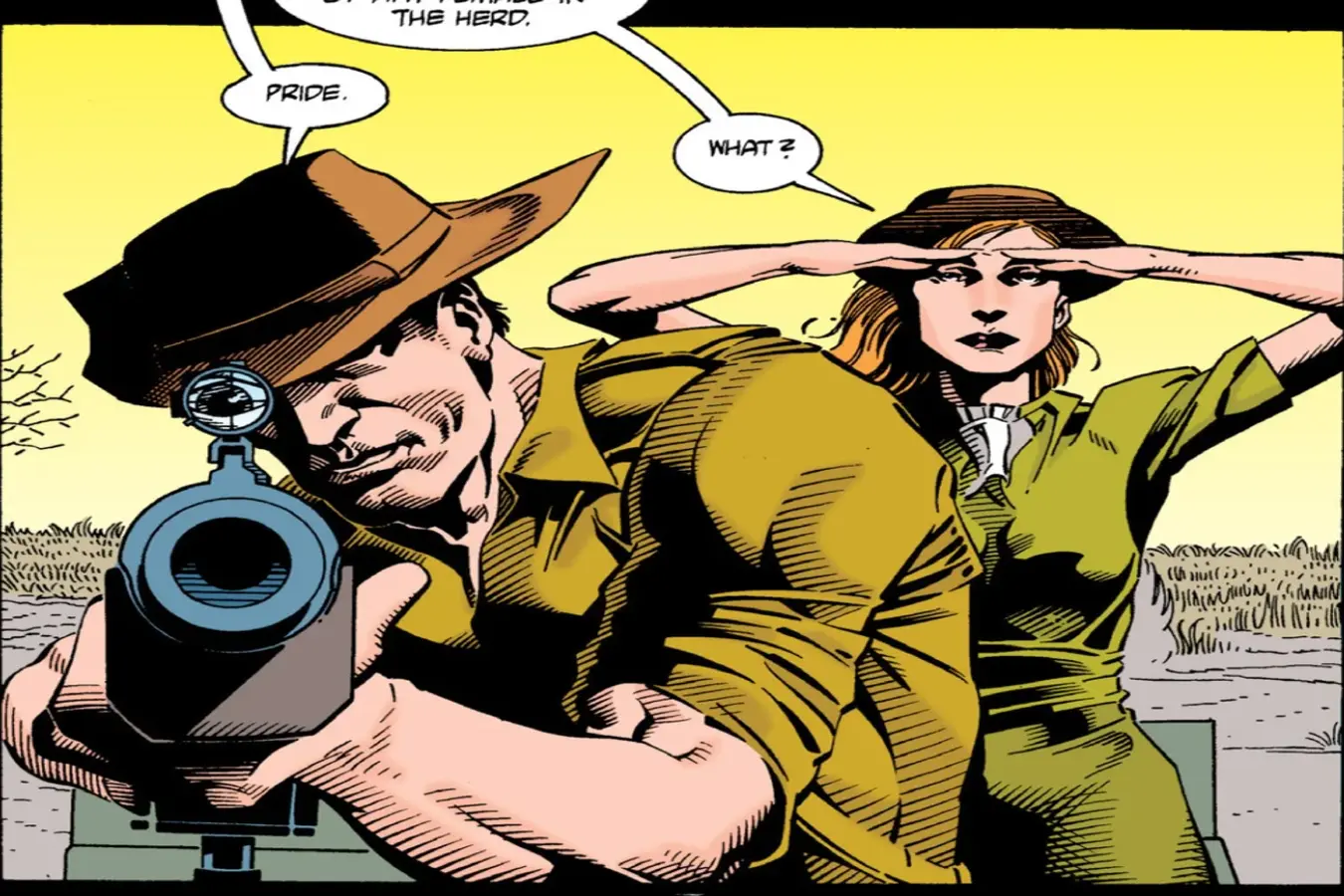
In Konza, Kenya, sportsmen tracked what African hunters called the Big Five, and the narration compared rogue animals that left the pack to human killers who hunted alone. A man and woman on safari lined up a lion through a rifle scope and talked about pride while the text stressed that when you kill a killer, all of his kills belong to you. That idea framed the whole series: a hunter that sought the biggest tallies would go where the most dangerous game was already locked up. The prologue tied the African hunt to the same alien that later walked the yards of an Arizona prison.
Safari talk about rogue predators set the moral rule the comic would follow into Paloverde, where body counts mattered more than race or badge. The Kenya chapter stayed short, but it planted the hunter's logic before any American street or cell appeared on the page. Readers met the idea first, then watched it play out among poachers, gangs and inmates who already competed for kills. The Big Five speech was not travel color; it was the series' thesis spoken over a rifle.
The Canyon Killings
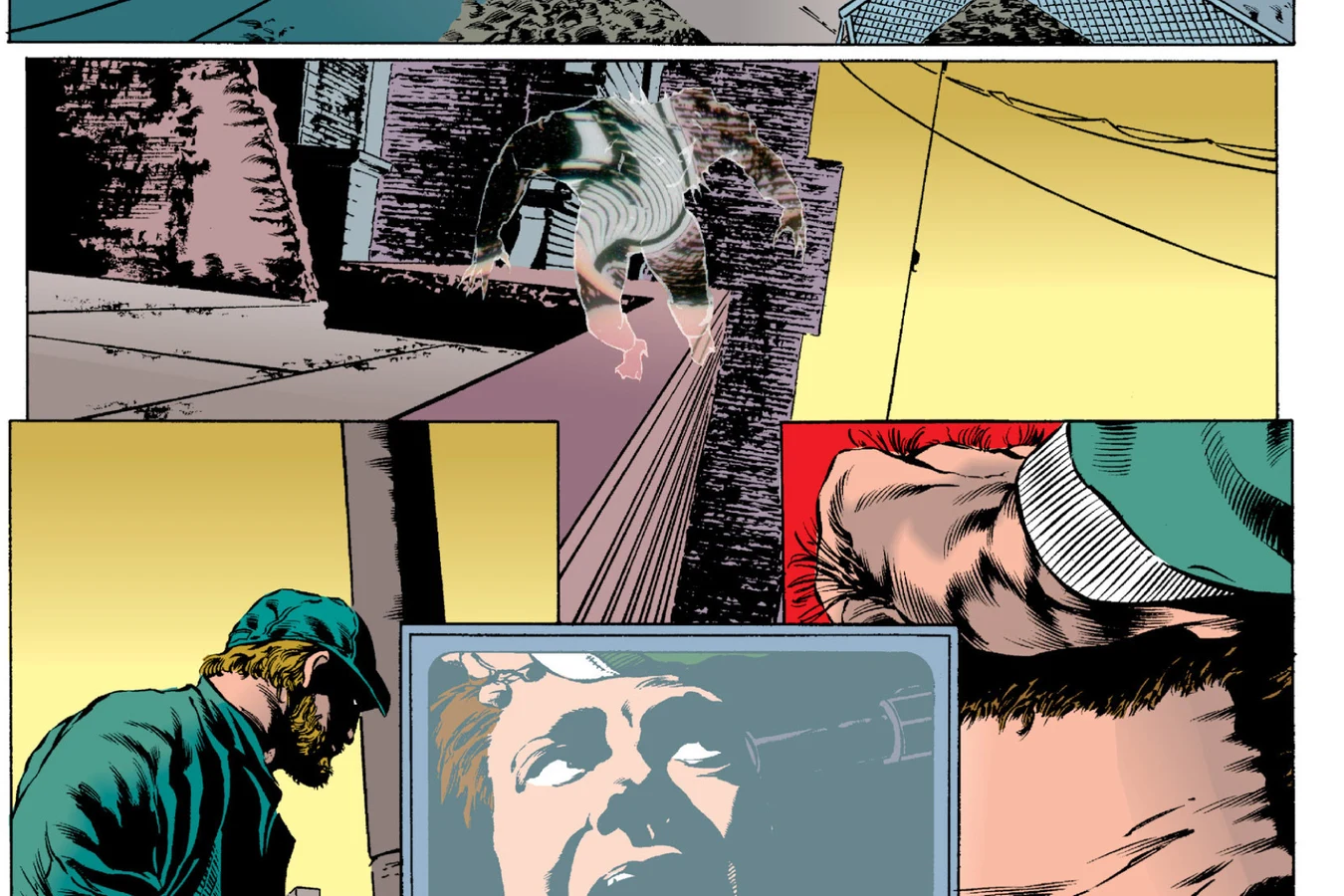
In the American Southwest, police arrested Mark Anthony Towers, a thirty-seven-year-old offender with priors for rape, kidnapping and arson, and tied him to several night killings. Towers confessed to the Canyon Killings and demanded to be treated like a man while he cleared cases for the detectives, but the heads and spines taken from strong male victims did not match his style. A Predator had made those trophy kills, and Towers only claimed them once he was locked up, dancing for attention and credit he had not earned. The real hunter stayed free and listened as street talk pointed toward a prison where killers competed for body counts.
Tucson's secret task force already doubted Towers while they briefed around files and a typewriter about human rogues who blended into crowds. Percy and the red-haired analyst Wanda pressed that the Pentagon wanted to study the thing rather than only stop it, and they mapped warm-weather locates from Florida poachers to Kenya. They called Towers a path who felt no remorse but was still the wrong man for the Canyon trophies. Time ran against them, so they decided they needed one more person who could cut through the noise and hunt the hunter.
Cross And The Street Hunt
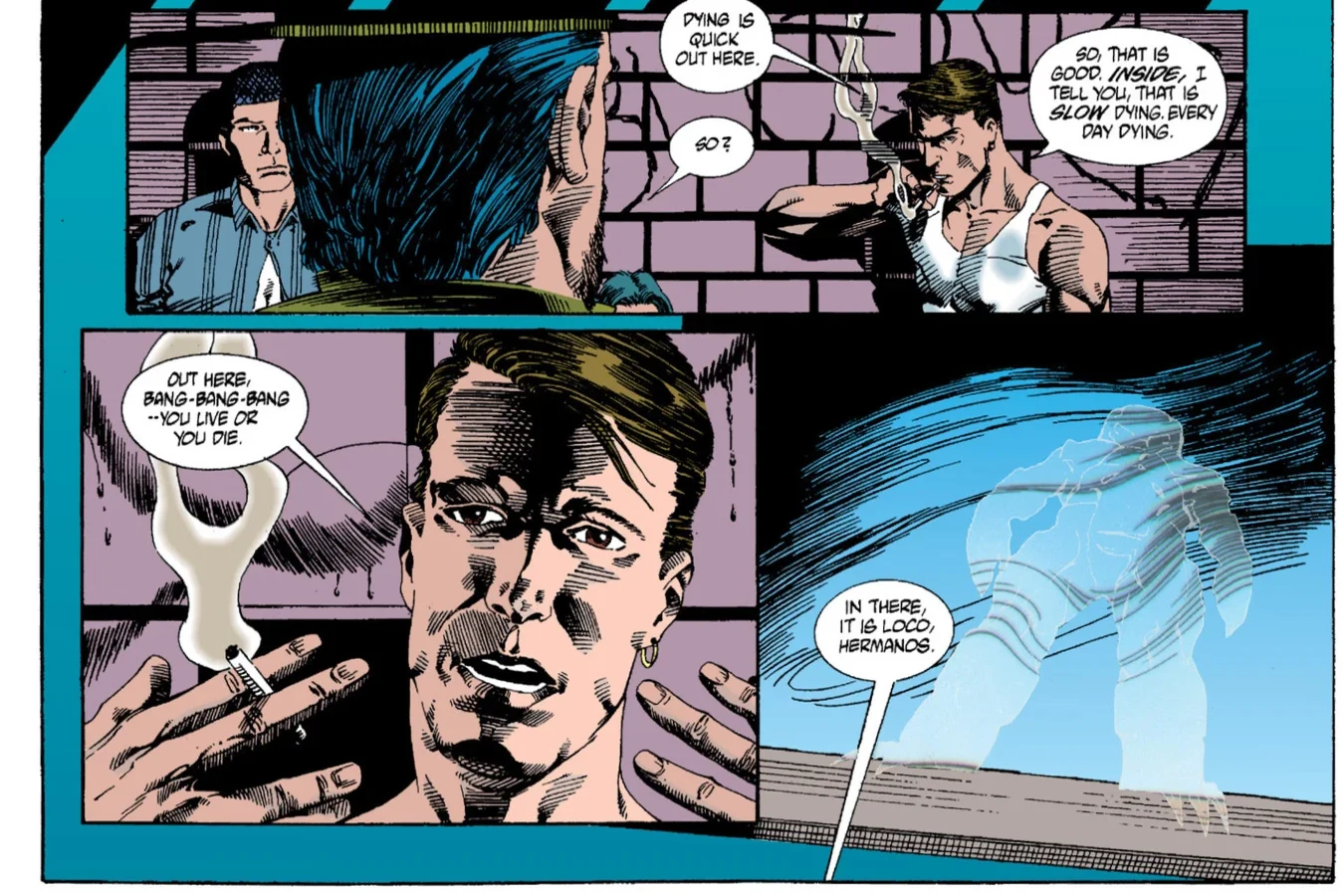
The task force recruited Cross, a mercenary from Andrew Vachss's crime fiction, after Chicago file work tied him to a limousine bombing that also killed a third, non-human body. Cross moved through street deals and sewer tunnels while a green surveillance van tracked heat signatures toward the lake, and gang members talked about dying quick outside versus dying slow inside. A cloaked Predator watched from above with thermal sights locked on a gun hand, learning that the biggest contest of killers was waiting behind bars. The team still hid cards from Fal and the others, but Cross became the man they meant to put inside Paloverde.
Street crews and the van's crew circled the same neighborhoods where the Canyon killer still took armed men, and Cross tested whether he could work with people who would not tell him everything. Wanda kept the computers, Percy kept the brief, and Cross kept his own rules about who walked away from a meet. The cloaked outline on the rooftops made clear that the alien was already choosing prey among humans who thought they ran the corners. That pressure pushed the plan from observation toward putting one man inside the joint where the tally was highest.
Night Vision Over The Street
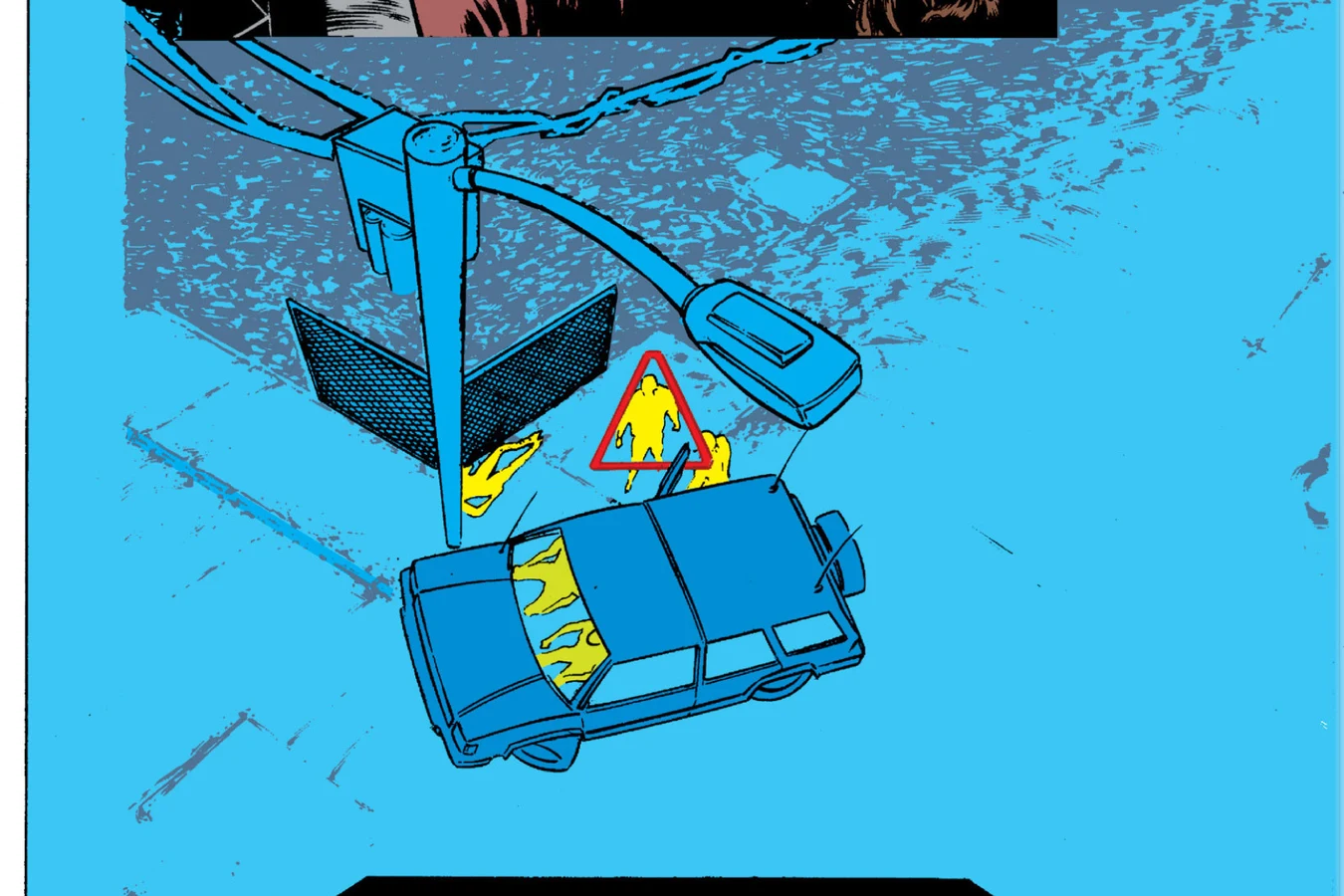
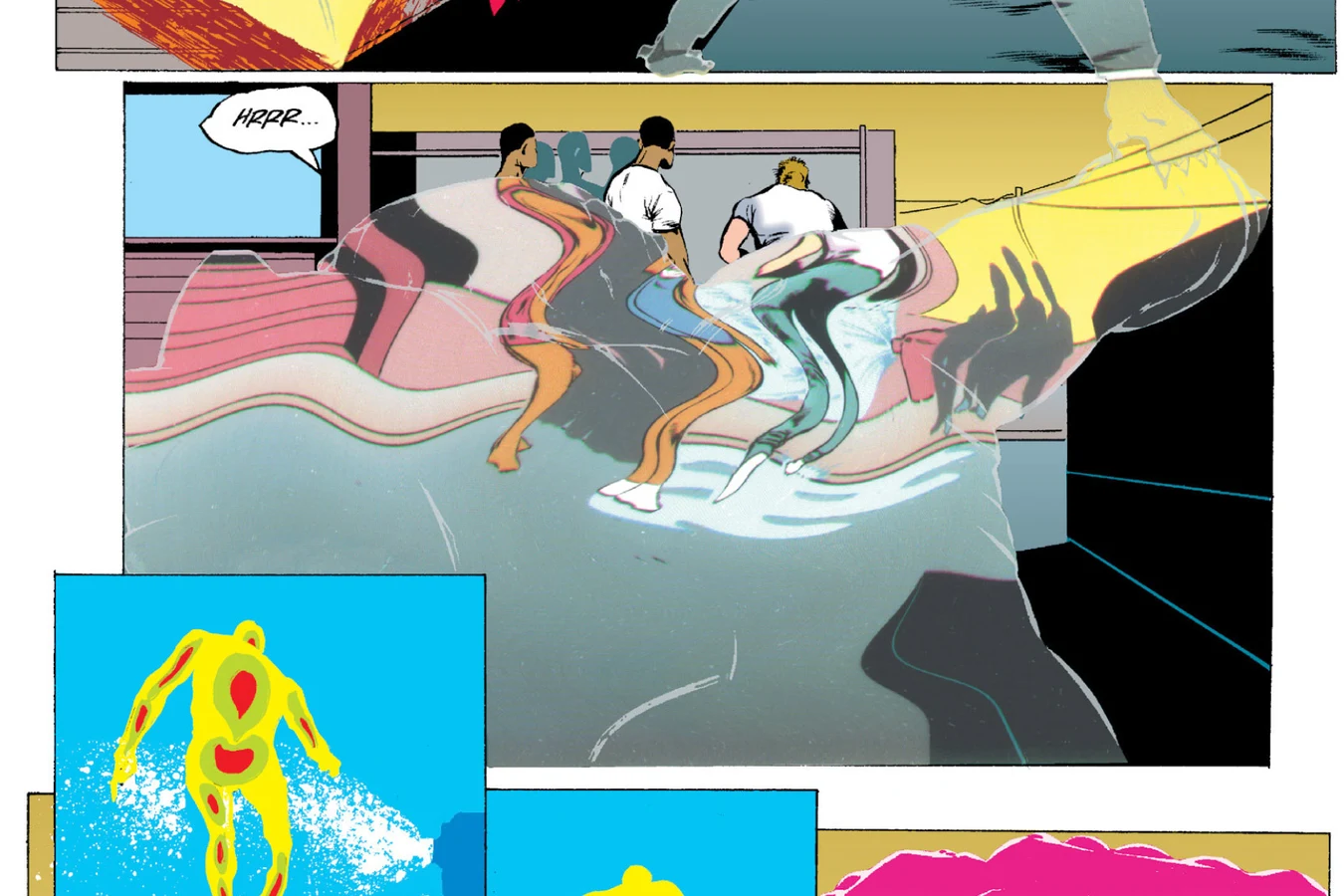
Through thermal sights, the hunter looked down on a street and a parked car as yellow heat shapes moved beside cold cyan pavement and a lamp post. A red targeting triangle locked on one silhouette while other warm bodies stood or lay nearby, turning an ordinary corner into a hunting screen. Men who thought they had filmed a clean snuff job never saw the mask that watched them from above until laser dots found a chest. The comic showed the Canyon killer's view before it ever showed the prison laundry or the showers.
Night vision panels made the street hunt feel mechanical rather than random, with the same cold selection that later chose inmates by their kill reputations. The cyan field and yellow figures matched other Earth hunts where the Predator sorted prey by heat and weapons. Cross and the van team still argued about scope and outsiders while the alien already closed distance on the people they watched. That overhead beat tied the urban killings to the trophy logic that would follow Towers into Arizona.
Angola And The Message
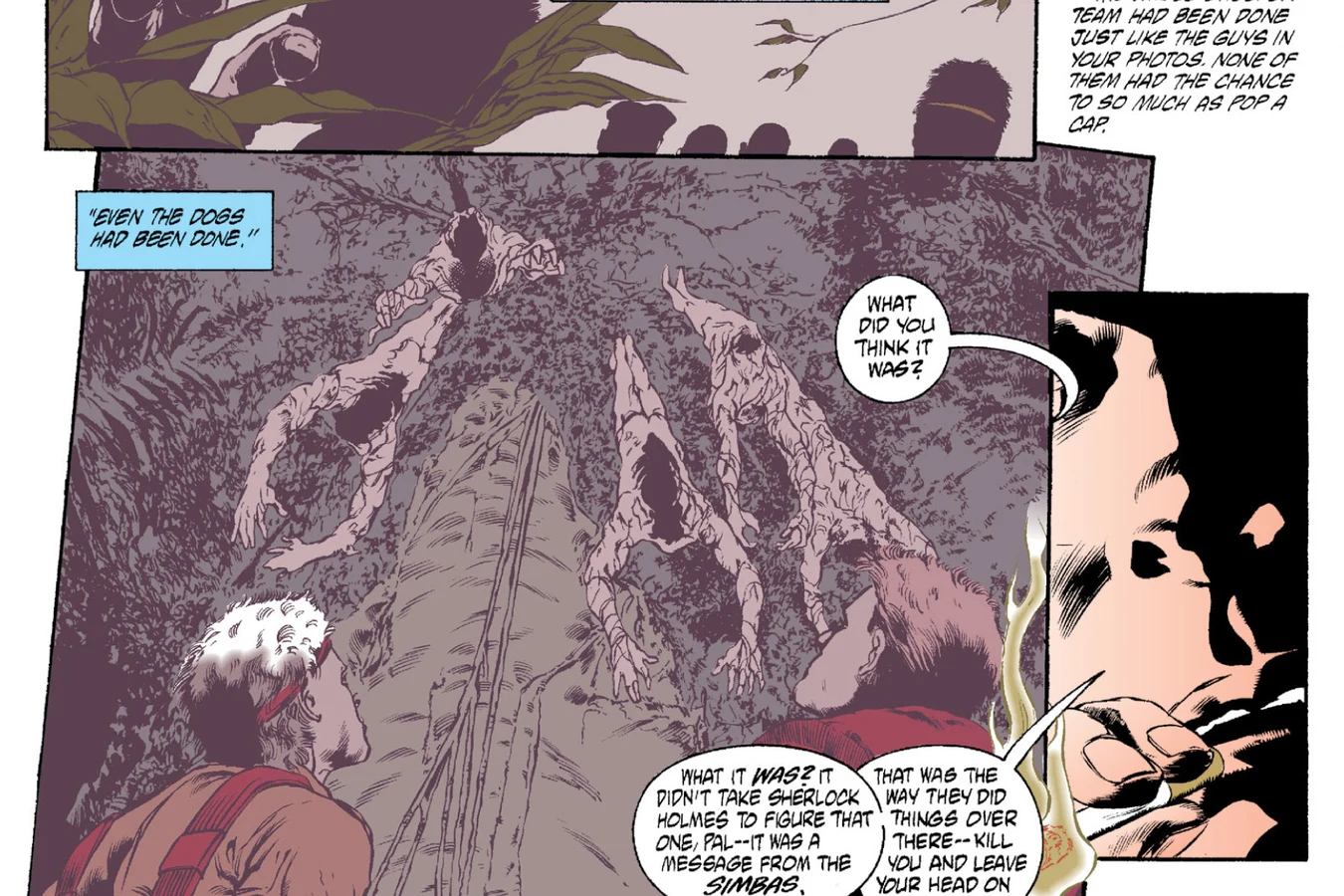
A veteran told Cross about a sweeper team in Angola that found whole patrols skinned and hung from trees after four quiet days with no enemy contact. At the time the soldiers blamed local fighters they called Simbas, but the photos matched the Canyon scenes and other trophy dumps the task force already held. The flashback made clear that the hunter had left the same signature across continents, and that Cross had seen work like it before he ever walked into an Arizona yard. The team used that shared memory to push him toward a job that was not a simple contract kill.
Skinned bodies in the trees were the message the task force needed Cross to accept: the quarry was not another human rogue with a clever knife. Dogs had died the same way in Florida and Africa, which cut out the green activists they once suspected. Cross heard the Angola story as proof and as a warning about what waited if he went in half-informed. The flashback closed the street chapters and pointed every later prison kill back to a pattern older than Paloverde.
Towers Taken As Trophy
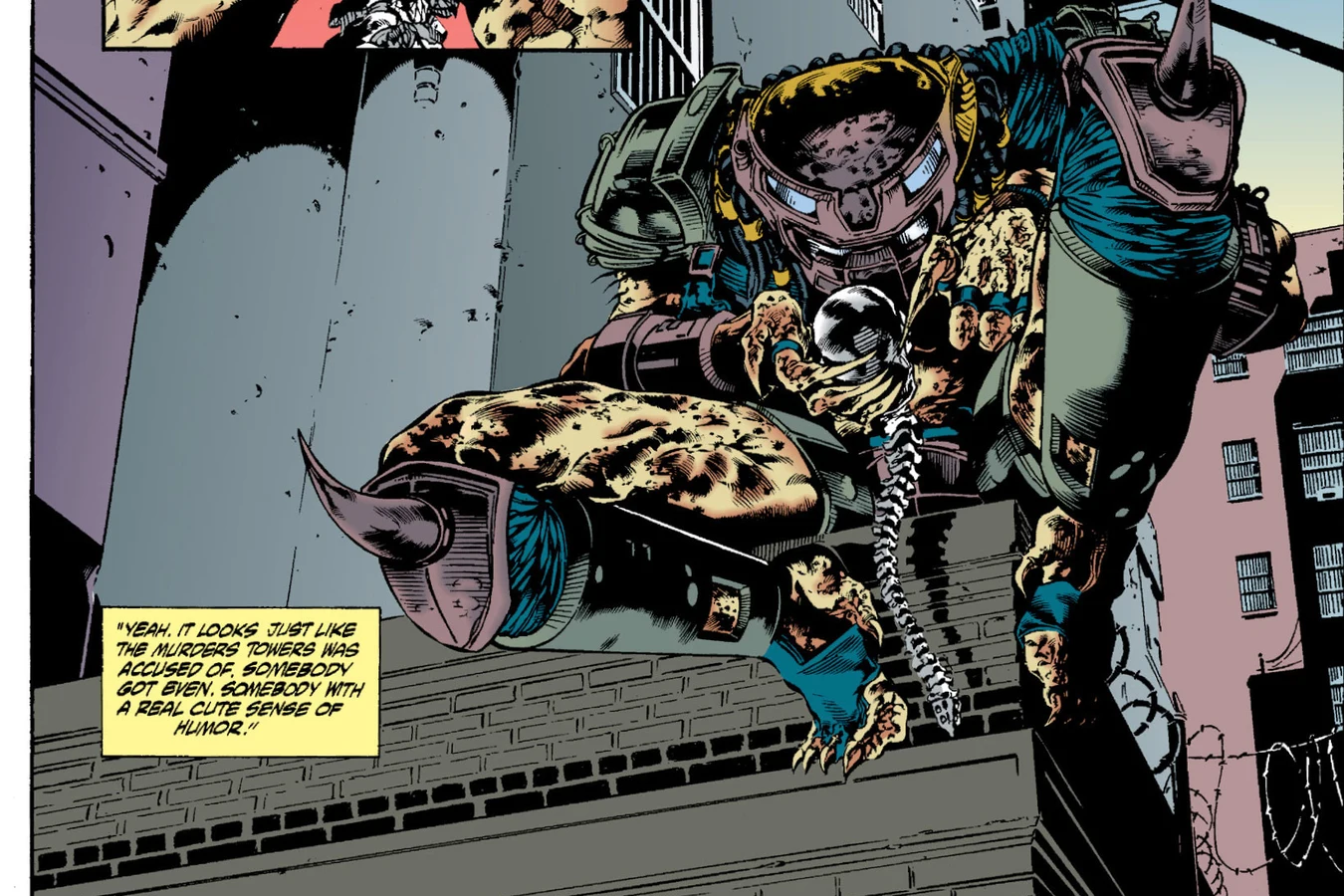
Inside protective custody, Towers died the way the Canyon victims had died, with his skull and spine taken while guards on the wing swore they never saw anyone pass. Investigators found what was left of his face in a corner and a hanging body that looked like a bad joke aimed at the man who had claimed the alien's kills. On a brick ledge above the city, the Predator held the skull and spine and studied the trophy while captions noted it looked just like the murders Towers was accused of. Somebody had evened the score with a sense of humor only a hunter would enjoy.
Prison officials tried to keep the Towers kill quiet and talked about suicide for the press, but the cut marks on the ribs said a double-bladed instrument had opened him in a few strokes. Murphy was told to find the skull before the media heard, and the chief restricted movement between wings rather than call a full lockdown that would draw outside eyes. The hunter that had followed the false claim into the system now had the claimant's bones as proof of ownership. From that night on, Paloverde was not only a race war between inmates; it was a hunting ground with a new scorekeeper.
The Skull In The Cell
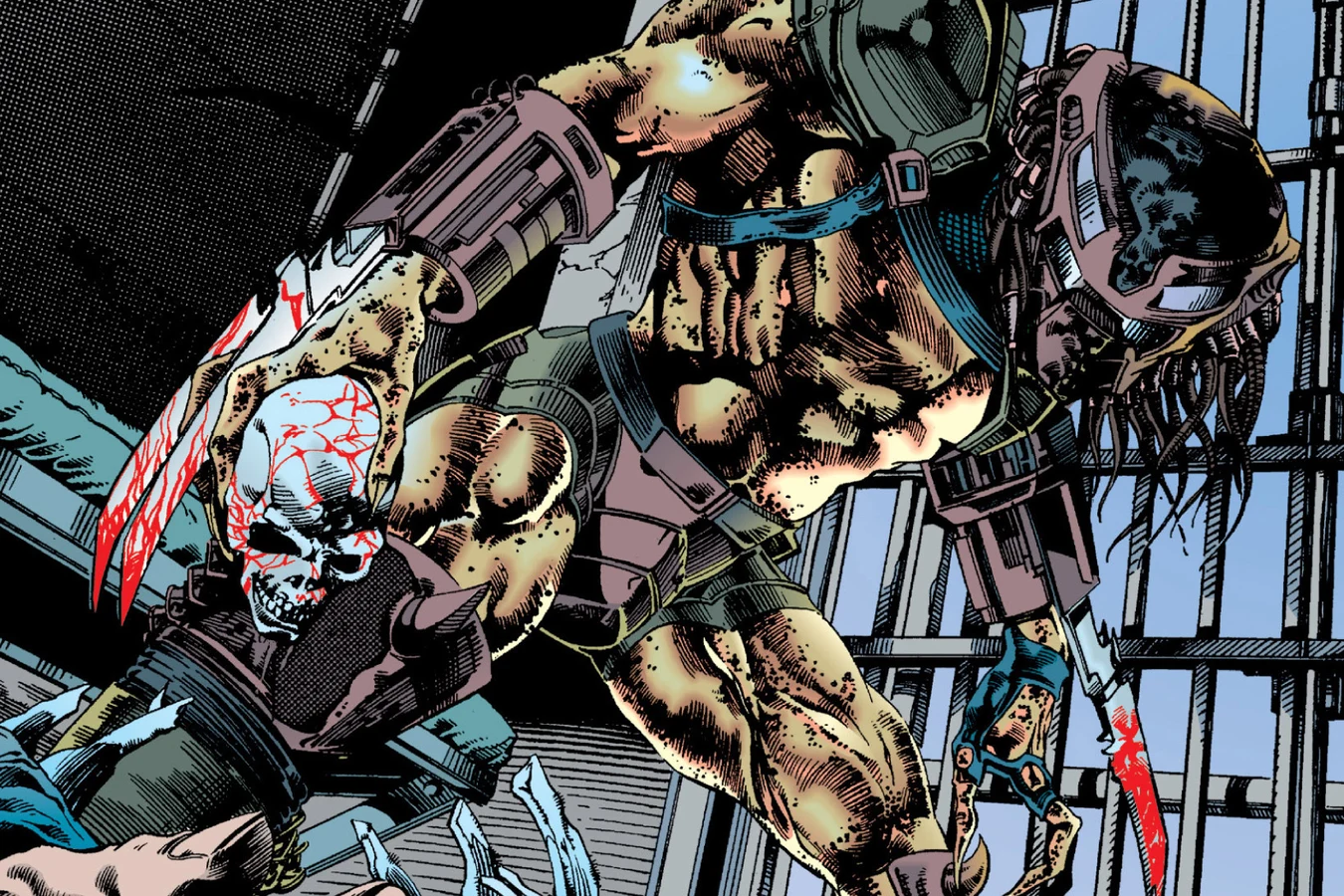
In a barred cell, the Predator stood over a ruined inmate and held a blood-streaked skull while both wrist blades dripped and a barred window glowed behind it. The body on the floor showed how little time the hunter needed once it chose a mark inside the blocks. That image fixed the prison hunter as a trophy taker, not a gang enforcer settling a racial score. Inmates who only understood race wars began to hear rumors that something else walked the wings.
Cell kills like this one taught the yard that locked doors and duty officers were not enough when the hunter already knew the layout. The skull in its fist echoed the Canyon trophies and the Towers harvest, closing the loop between street legend and prison fact. Guards argued about how a spine left the wing, while the creature cleaned its prize under the same lights the inmates lived by. The comic lingered on that beat so readers saw the hunter's work before any pact or riot tried to answer it.
A Deadly Resident At Paloverde
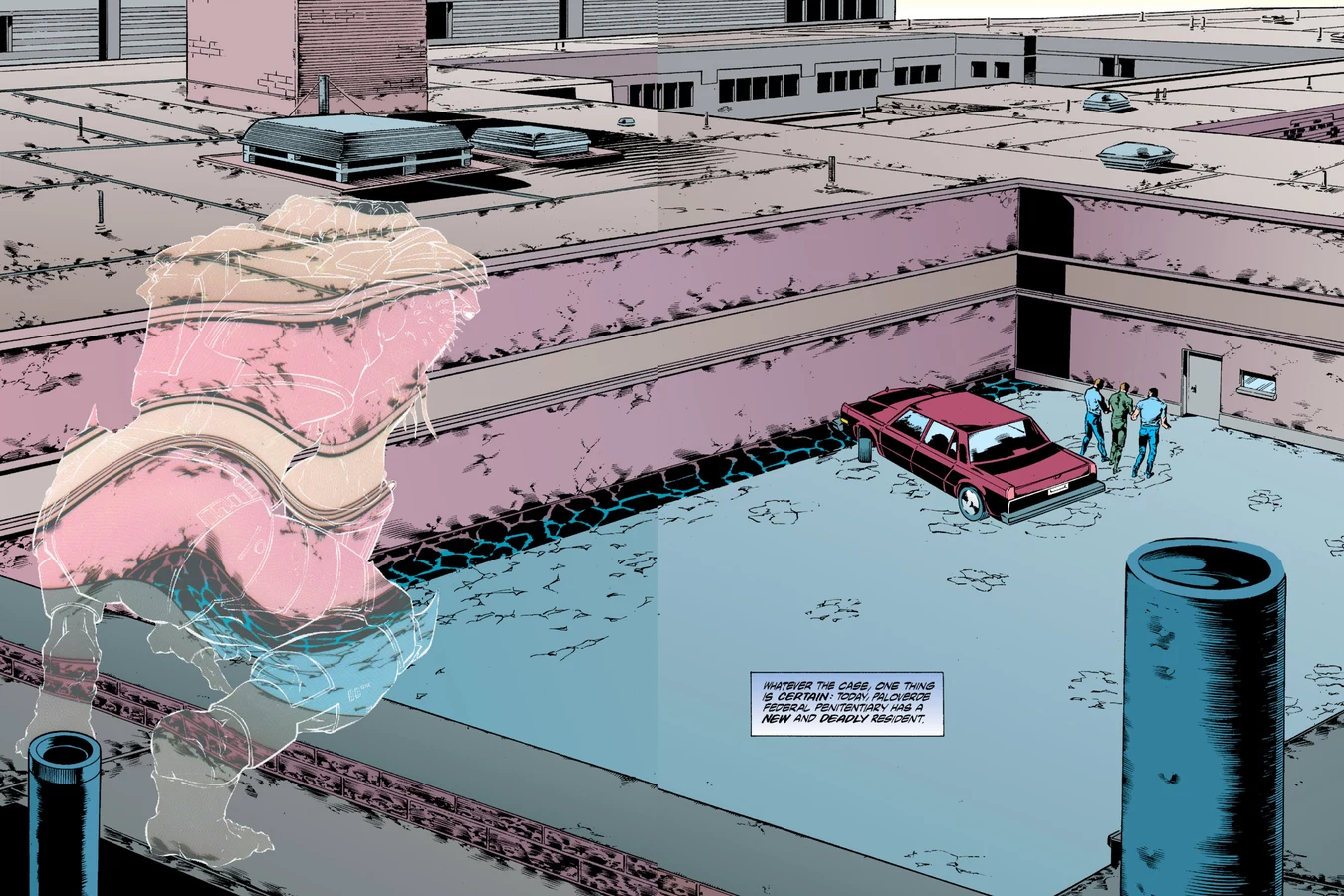
From a high roof, a cloaked Predator watched the pink walls and blue courtyard of Paloverde as a maroon car and new arrivals moved below. The caption stated the obvious: today the federal penitentiary had a new and deadly resident, whether the warden admitted it or not. The wide courtyard shot turned the prison into a hunting map, with the shimmering outline already choosing angles the guards never checked. Towers was inside the story of that day, but the alien was the resident that mattered.
Paloverde kept a false sense of order under its warden while inmates lived by their own rules to stay alive, and the cloaked hunter used that noise as cover. Outside, the task force briefed that their targets used self-destruct devices with city-block force and that catching one whole was the hard part. Cross prepared to go in as a pre-trial detainee with a hidden implant tooth and contacts through the prison networks. The courtyard beat marked the moment the street hunt and the prison hunt became the same war.
Stalking Through The Shafts
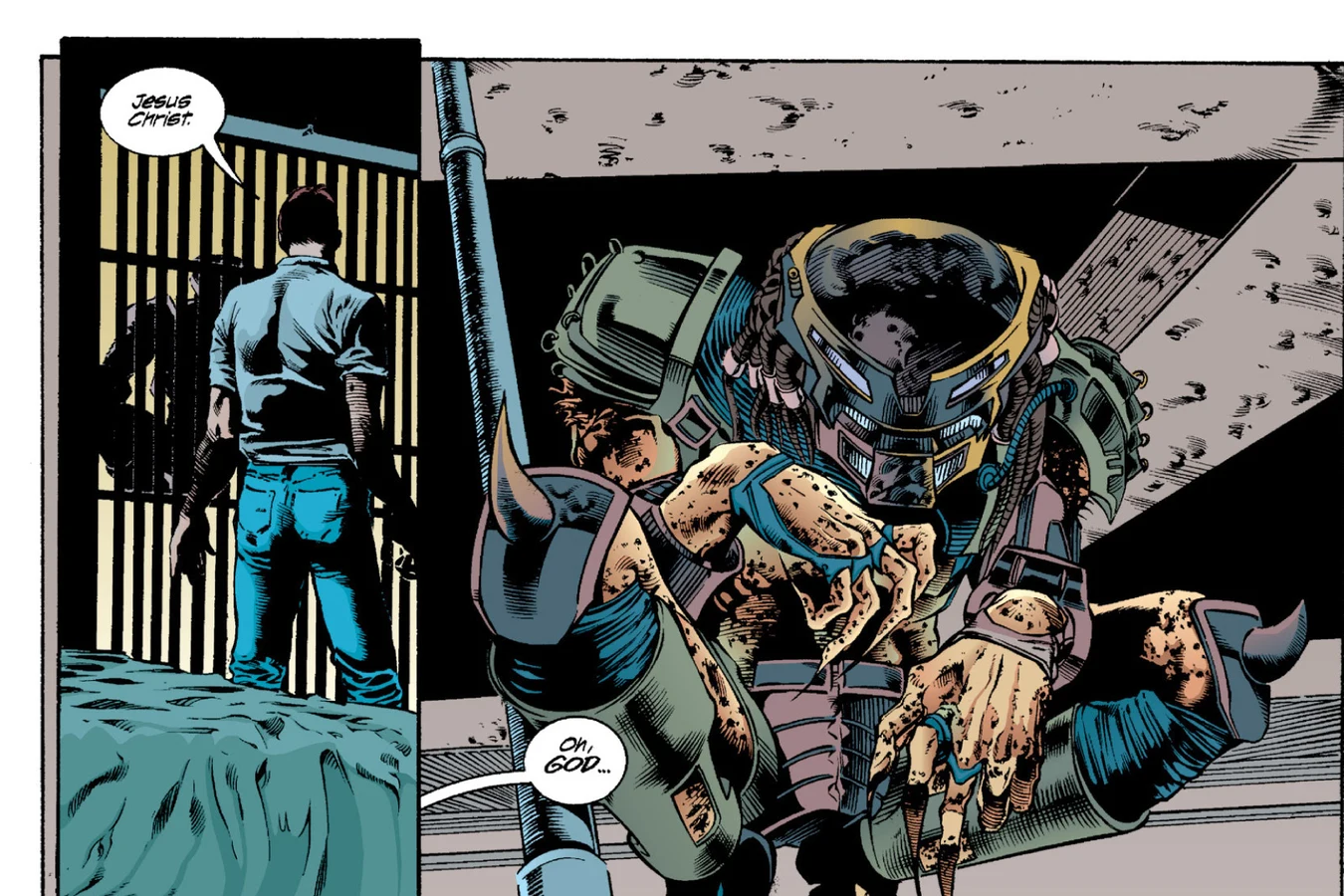
An inmate at the cell bars whispered a prayer while the Predator crouched in the shaft above him with glowing eye slits, blood on its claws and a long staff ready. The creature used ducts, ledges and dead angles the way street hunters used rooftops, moving between wings without walking the open floors. Men who looked out through the bars saw only darkness until the mask filled the opening and the whisper turned into panic. That shaft beat showed how the hunter lived inside the architecture, not only in the yard.
Vertical spaces gave the Predator the same advantage cloaking gave it on rooftops, and the comic paired the man's back at the bars with the alien's crouch to make the threat feel unavoidable. Combistick and blades waited while the inmate still tried to understand what he was seeing. Rumors about something in the vents stopped sounding like laundry-room talk once blood hit the concrete again. The shafts chapter sat between the Towers trophy and the showers, tightening the prison into a kill box.
The Predator Decloaks In The Showers
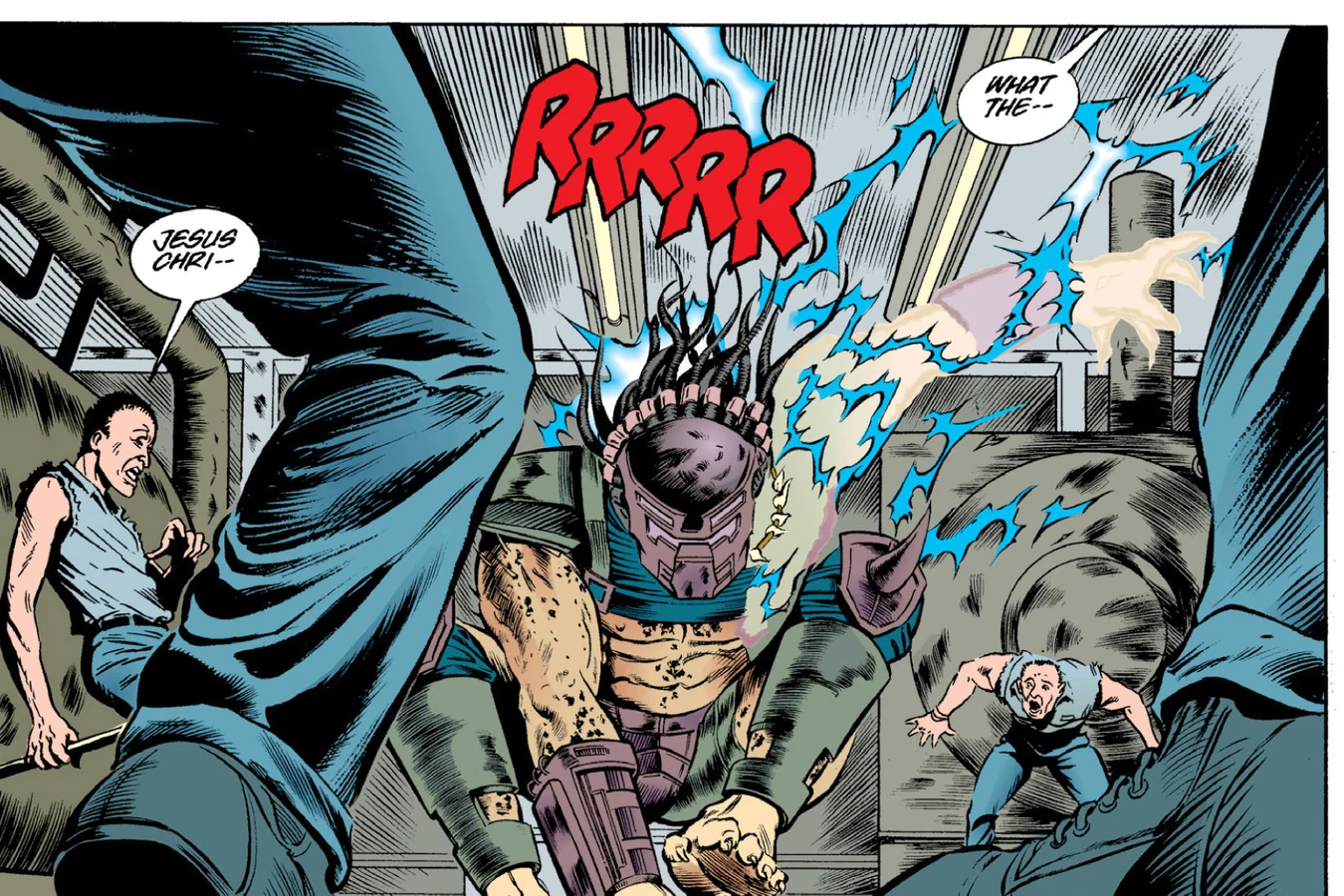
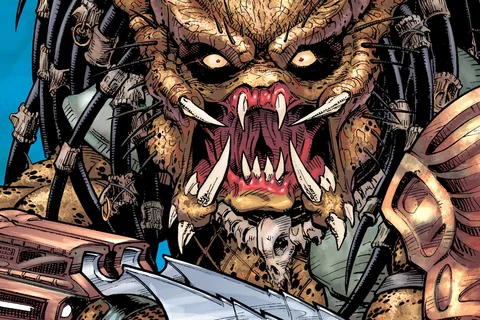
Inside the tiled showers, the Predator dropped its cloak in a crackle of blue energy, roared through a jagged RRRRR, and loomed among inmates with both wrist blades ready. Men froze under the mask while steam and pipes framed a first open kill that no racial scorecard could explain away. One inmate lost a hand to a swipe; others screamed as the silhouette finished becoming solid meat and metal. The yard and the blocks learned that the killings were not just another gang hit, even if race still framed every rumor.
First blood in the showers turned private inmate business into a shared emergency the warden could not file as ordinary violence. Guards later found mutilated bodies and argued over how something could take a skull and spine past Foxworth and Graham without a full lockdown. The decloak was the series' clearest reveal of the hunter's body and bio-mask before the riot tore that mask away. From that wet floor forward, both factions hunted a monster whether they believed in monsters or not.
Cross Goes Undercover
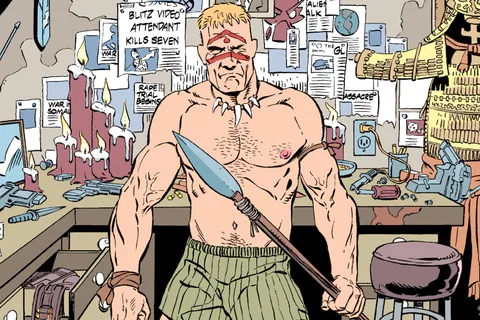
Cross entered the joint on a charge that put him with Banner, commander of the Brotherhood wing, and the enforcer Tank, who sized him up through the bars of cell eight. Banner claimed Cross after a staged fight talk and treated the bombing charge as righteous credit, while Cross played the tribe game long enough to map both sides. Wanda and the van crew kept radio contact through Banner's network, and Cross asked for two gas masks once he understood what walked the walls. He told Nyati and the other leaders that a hunter was loose like a wolf in a corral, and that it was not human.
Undercover work meant tattoos that would fade, a tooth that hid a tool, and a visiting "wife" who could carry messages without looking like a courier. Cross let each faction see the enemy it expected while he sold them the only story that matched the bodies: something that wanted trophies from killers on both sides. The yard kept scoring its race war even as the Predator took men from every color, and Cross used that blindness as cover for a wider pact. By the time he asked for masks, the undercover job had become a prison war plan.
The Prison Brawl
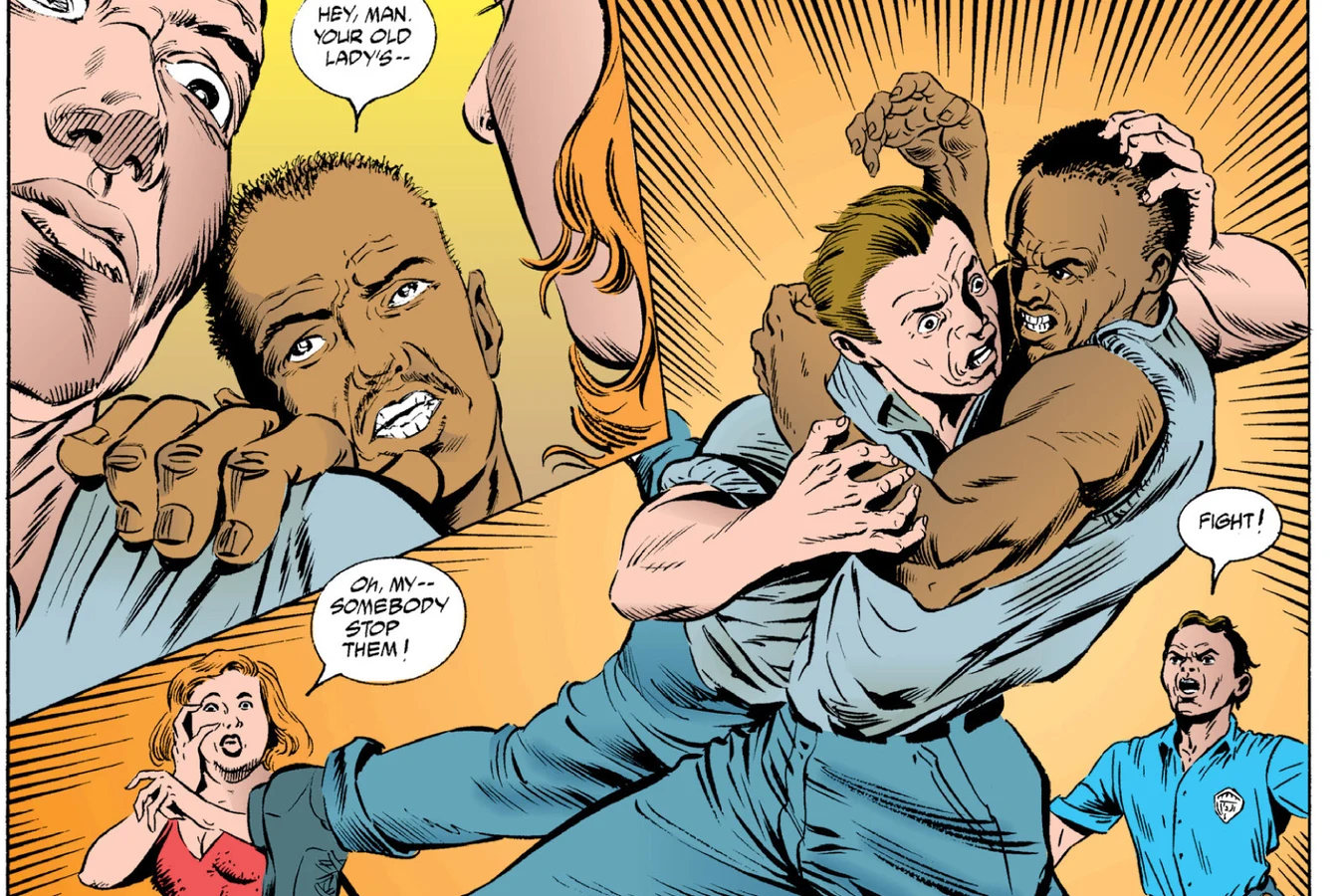
Racial tension broke into open fighting when black and white inmates tore at each other in the Paloverde yard and visitors screamed for someone to stop them. Guards piled in, dragged men to cells, and still whispered that a meeting was on for tonight while they locked the blocks down. The Brotherhood and the opposing crews kept a killing contest score even as the Predator took men from both sides, turning the race war into cover for a trophy hunt. Cross used the chaos to move messages and to prove he was not alone inside.
Staged brawls and real ones blurred together, which suited Cross when he needed bodies moved and ears open without the warden reading the play. A whispered line about a meeting tonight rode out under a guard's hand on a shirt collar. The comic kept the human race war loud so the alien hunt could hide inside it until leaders finally listened. That yard violence set the table for the pact that would follow once both sides admitted they were losing the same predator.
The Pact For The Race
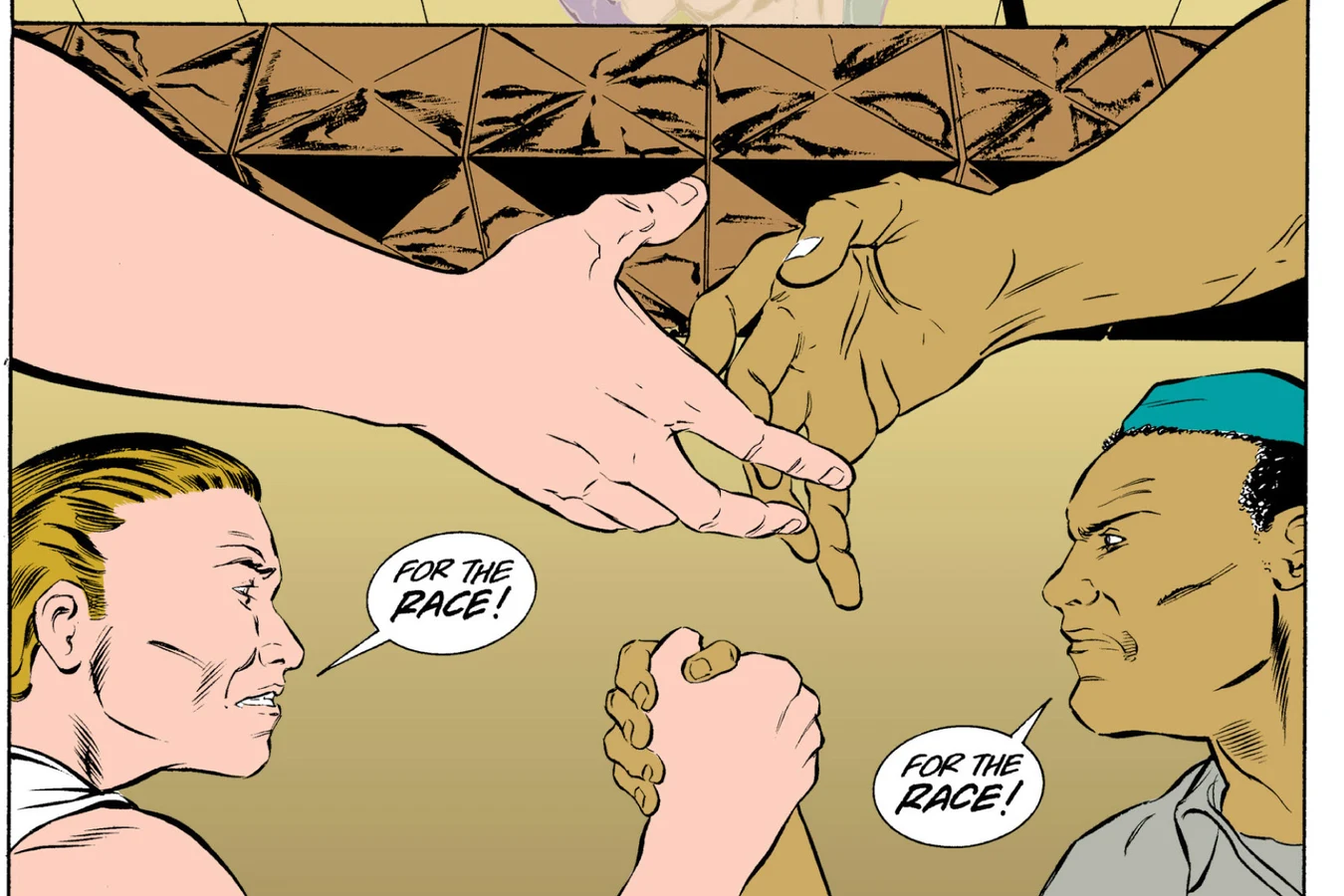
Leaders from both factions met and clasped hands in a three-way grip while they shouted the same line for the race, turning old hatred into a temporary alliance. Cross argued that the killings were no longer about blood between tribes and that only a united pack could bait a hunter that wanted trophies from the heads of crews. The cloaked Predator watched the pact from the rafters and from the floor, already choosing the best marks once the doors opened. The warden's men were told to wait until daybreak, which gave the inmates one night to set their trap.
For the race became a slogan that meant survival of the human side of the wall, not victory for one color over another. Nyati, Banner and the other voices in the room accepted a truce measured in hours, not years, and Cross sold them gas, knives and a sealed room as the only tools that matched the threat. The handshake panel is the series' clearest image of enemies choosing a shared enemy. That pact did not end the race war; it paused it long enough to fight something worse.
The Riot And The Spear
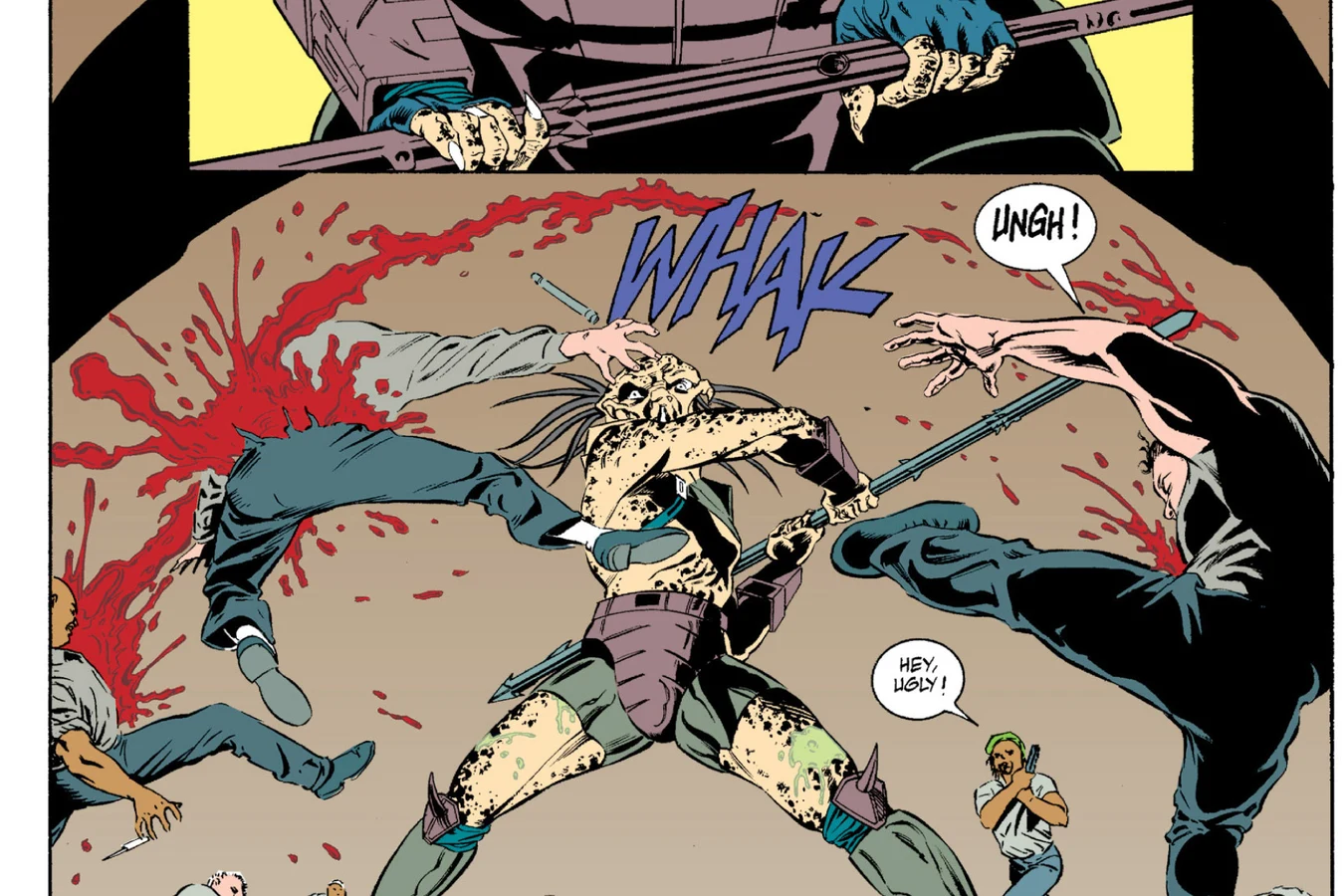
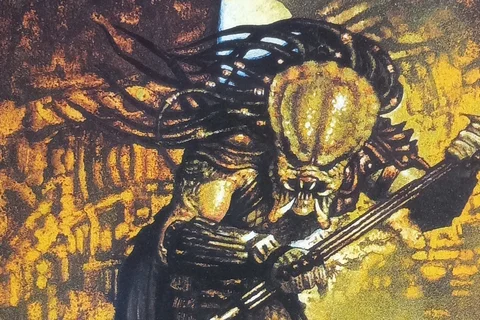
When the riot broke, the Predator fought in the open with a spear, cutting through men from both gangs while knives snapped on its gauntlets. Inmates fired shotguns into its back and drew green blood, and the hunter roared with mandibles spread as the melee filled the yard. The alliance held long enough to drive the creature toward a prepared room rather than let it pick them off cell by cell. Cross and the leaders gambled that numbers and a sealed trap could beat cloaking and blades.
Open combat stripped away the cloak and forced the hunter to prove itself among shivs, pipes and borrowed guns. The spear melee showed why the factions needed each other: neither side alone had the mass to push a Yautja where they wanted it. Green blood on the concrete was the first hard proof for men who still wanted a human killer to blame. The riot's job was not to finish the hunt; it was to herd the quarry into the Green Room.
The Green Room
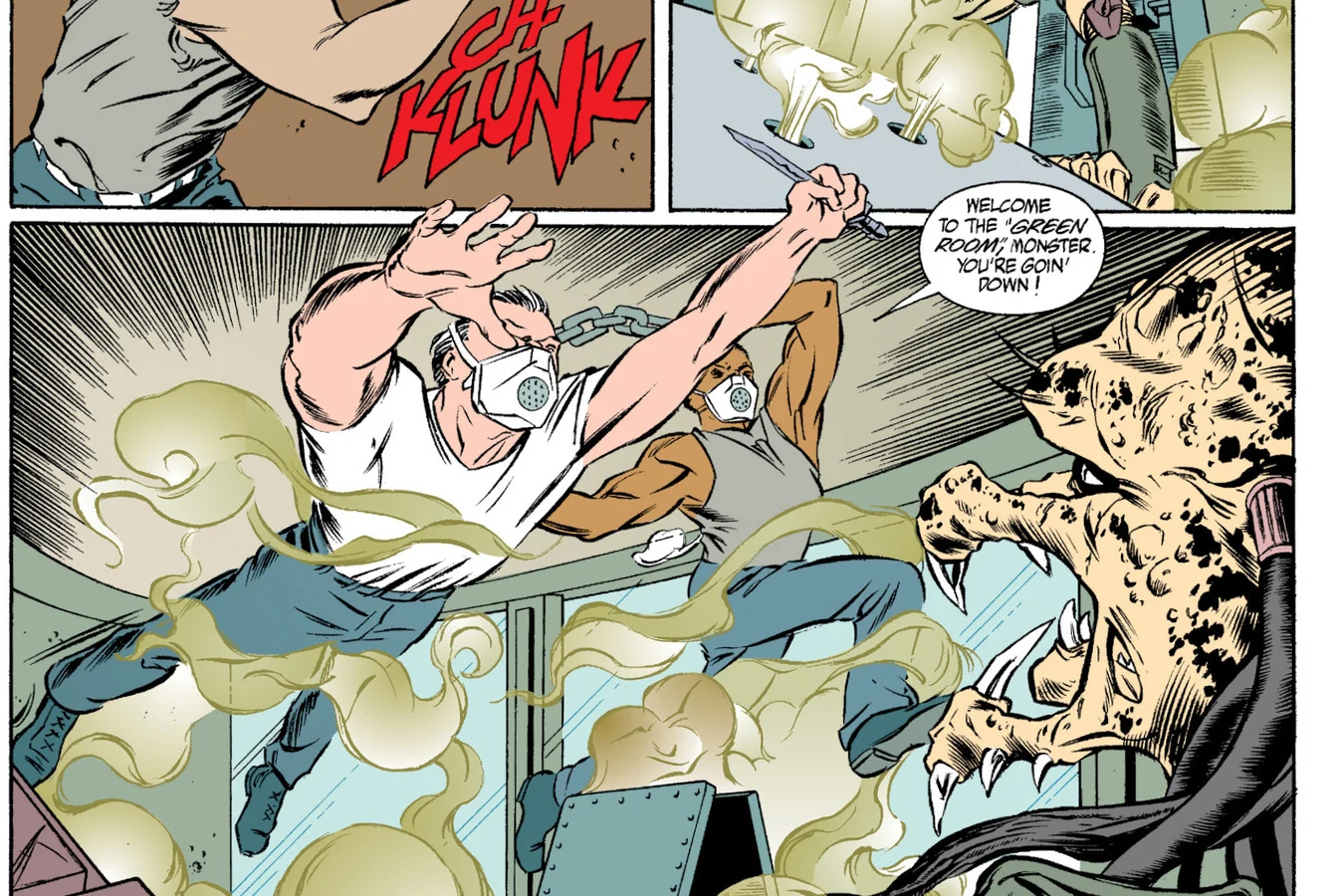
An inmate threw a wall lever and yellow-green gas poured from floor vents into the chamber the men called the Green Room. Cross's requested masks went on two fighters from opposite sides who charged the unmasked Predator with a chain and a blade while they told the monster it was going down. The fight inside the cloud mixed stabbing, wrist blades and choking gas until the room filled and bodies went down, and the infirmary became the next stop for the wounded. The task force outside still hoped to bag a live specimen, but the prison night belonged to whoever walked out of the gas.
Gas and numbers finally dropped the hunter into a wide pool of blood on the floor, where it looked quite dead to the men still standing. Nyati did not make it; other inmates crawled out cut and coughing while they asked who still breathed in the haze. The comic held on that stillness long enough to show a body that no longer fought, not a clever escape mid-blow or a last cloak trick. What happened next belonged to other hunters, not to the task force's capture plan waiting outside the walls.
Recovered By Kin
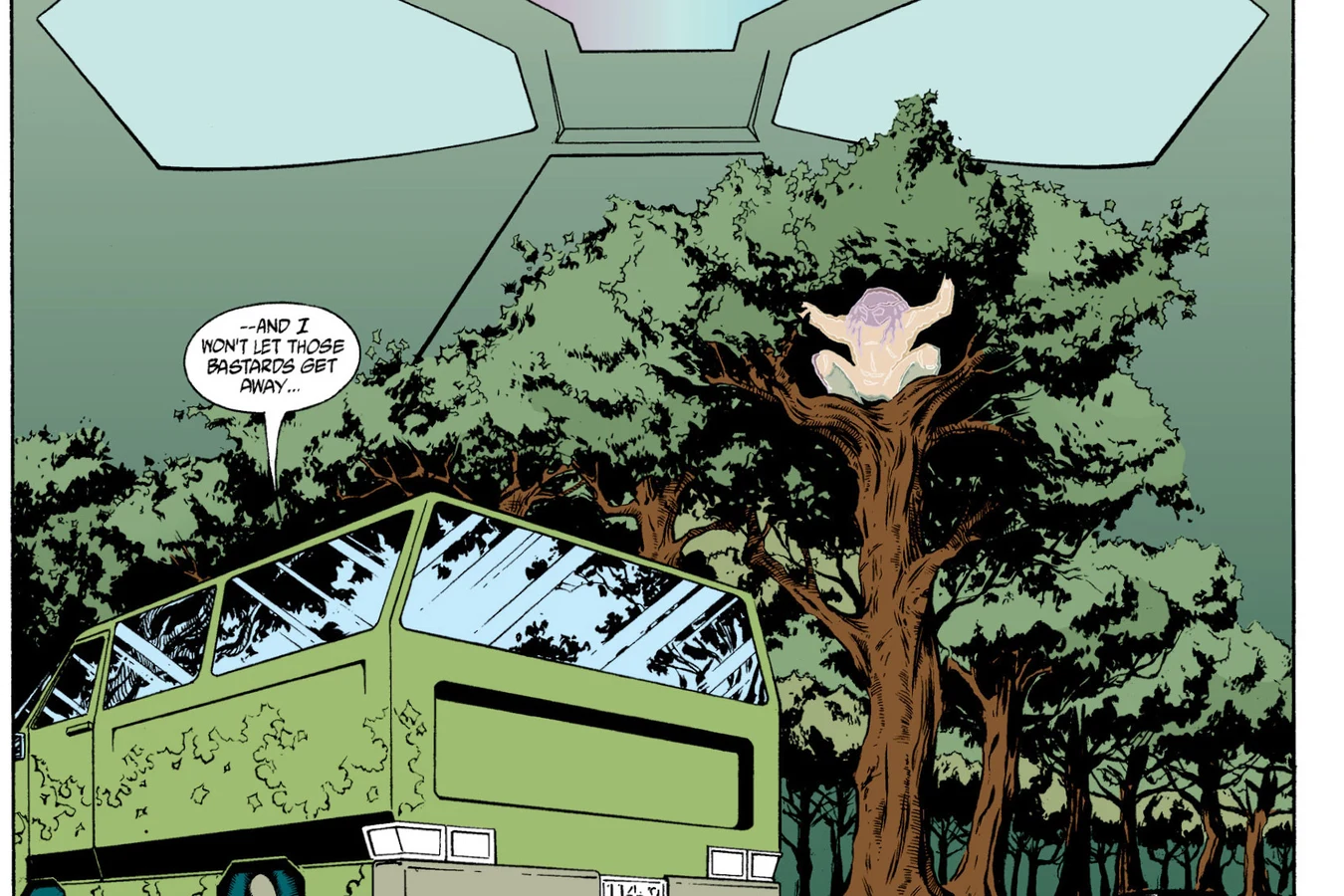
After the gas cleared, two other Predators arrived in the doorway with casters and fresh armor while survivors still stood over the prison hunter's bloody form. They recovered him (body or wounded body) and took everything with them before Tiger and Pal could claim a specimen, leaving only the human body count behind. Percy later told Wanda he should not have brought an outsider in and swore that next time he would be in on the confrontation himself. Their green van sat on a dirt shoulder under the trees while the team talked about starting again with the same resources.
A cloaked figure perched in the branches and watched the van leave, but the comic does not prove that watcher is the same prison hunter who lay in the blood. Kin had already claimed their own; the tree silhouette could be another hunter on the same trail, or a survivor whose fate the page leaves open. The task force drove away planning a next hunt while unfinished business hung in the trees. Race War closed on recovery and ambiguity, not on a clean escape speech from the Paloverde quarry.
Characters
- Cross was a mercenary from Andrew Vachss's novels whom the government task force sent undercover into Paloverde to organize inmates and try to take the Predator alive.
- Mark Anthony Towers was a convicted rapist and murderer who falsely claimed the Canyon Killings and was transferred into the prison the Predator followed.
- The Predator was the Canyon killer that hunted armed men from Kenya to Arizona and stalked both prison factions for trophies until it fell in the Green Room and other Yautja recovered it.
- Percy led the Tucson task force that wanted to study and capture the hunter rather than only kill it.
- Wanda was the red-haired analyst on the team who tracked patterns and stayed with the surveillance van.
- Banner commanded the Brotherhood wing inside Paloverde and became Cross's route into the white faction.
- Tank was Banner's enforcer, a large inmate who met Cross at the cell door.
- Nyati was a leader on the opposing side whom Cross warned about the non-human hunter.
- Tiger, Fal and other task-force and street contacts supported the outside operation around Cross and Towers.
Behind The Scenes
Crime novelist Andrew Vachss plotted the series and brought his mercenary Cross into the Predator line, while Randy Stradley scripted the dialogue and pacing. Jordan Raskin penciled the Dark Horse Presents prologue and the early issues with a feral Predator design, and Lauchland Pelle took over pencils for the final two issues, so the art shifted in the second half. Rick Bryant inked the full run, Matt Hollingsworth and later Pamela Rambo colored it, Clem Robins lettered it and Jerry Prosser edited it. Dave Dorman painted the covers for issues #1 through #4, and Raskin covered issue #0 when the black-and-white Dark Horse Presents chapters were collected in color.
The mid-series change of penciller left the story feeling disjointed to some readers, and the heavy caption style, often written like police reports around Cross, crowded many pages. Vachss's focus on criminal psychology and prison factionalism made the human cast dense, while the Predator stayed a stalking force until the riot and Green Room climax. Later reprint programs treated the racial language of the early 1990s prison scenes as a problem, and Marvel left the series out of Predator: The Original Years. The title remains one of the hardest-edged Earthbound Yautja prison stories of the Dark Horse era.
Editions
Dark Horse Comics published the prologue across Dark Horse Presents #67 to #69 from November 1992 to January 1993, then released Predator: Race War #1 in February 1993, #2 in March, the color #0 in April, #3 in August and #4 in October. The five chapters were collected as the Predator: Race War trade paperback in August 1995 with a new cover by Ray Lago. Dark Horse reprinted the story again in Predator Omnibus Vol. 2 in February 2008 beside other early-1990s tales such as Predator: Blood Feud. A digital edition followed through Dark Horse Digital in March 2013, reusing Dorman's issue #1 art.
Marvel's later Original Years omnibus program did not include Race War, unlike neighbors such as Predator: Bad Blood and Predator: The Hunted City in the wider 1990s line. Readers who want the complete Vachss and Stradley run still rely on the 1995 paperback, the 2008 omnibus or the digital release. Dorman's painted covers for the numbered issues remain the best-known images of the Paloverde hunt. Issue #0 is required reading for the Kenya opening and the Tucson task-force setup that #1 continues.
The Predator In Yautja Lore
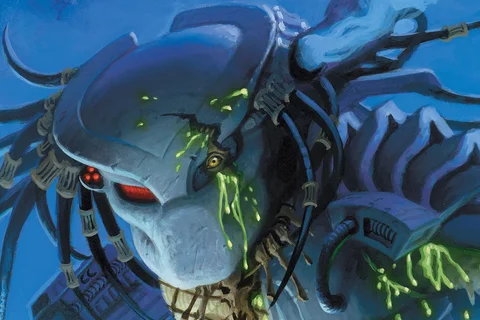
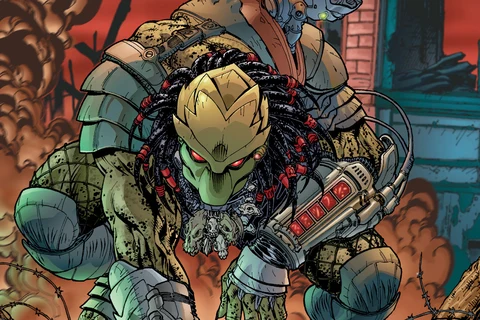
The Race War hunter chose prey by the rule that killing a killer claimed that killer's tally, which is why a maximum-security yard full of convicted murderers looked like the best hunting ground on Earth. It used active camouflage, thermal vision, wrist blades and a spear, wore a distinctive bio-mask in the showers, and left skinned bodies and taken spines in the pattern of other trophy displays. Armed victims in warm climates from Kenya to Florida fit the same seasonal map the Tucson team drew, and the prison riot only concentrated worthy game. Those habits sit on the Predator timeline in the early 1990s beside other Earth hunts.
The story also shows how humans answer a Yautja threat when race and gang loyalty usually keep them apart. Cross operated as a professional killer hired to catch another predator, a dark mirror of the human Predators who arm themselves to face the species. The factions' pact and Green Room trap tested whether honor among inmates could match the Predator honor code that seeks worthy game. When the prison hunter lay in blood and other Yautja recovered him, the relations between humans and Predators closed on a contested recovery and an ambiguous tree watcher rather than a proven solo escape.
Conclusion
Predator: Race War is a 1993 Dark Horse miniseries by Andrew Vachss and Randy Stradley, drawn by Jordan Raskin and Lauchland Pelle, with painted covers by Dave Dorman. It follows Mark Anthony Towers, the mercenary Cross and rival prison gangs at Paloverde State Penitentiary as a Predator claimed killers from both sides for its tally. Black and white inmates united under a short-lived pact, fought the hunter through a riot and the Green Room gas trap, left the hunter looking dead in a pool of blood, and watched other Predators take him away while a cloaked figure in the trees (identity unproven) watched the task force leave.
External Sources
- Predator: Race War #1 at Dark Horse Comics
- Predator: Race War #2 at Dark Horse Comics
- Predator: Race War #0 at Dark Horse Comics
- Predator: Race War TPB at Dark Horse Comics
- Predator: Race War at Vachss.com
Tag Categories: Predator Comics