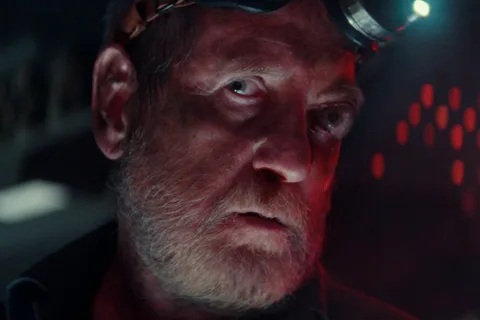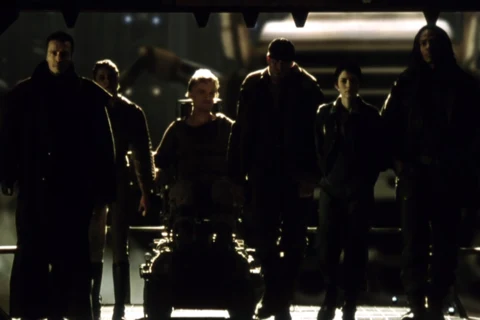

The Alien franchise rarely assigns clear gender roles to its creatures, as most Xenomorphs are portrayed as either genderless or biologically utilitarian. Over time, however, several designs, experiments, and narrative concepts introduced Xenomorphs that challenged this ambiguity. Some were the result of deliberate experimentation, others emerged through cloning, hybridization, or early conceptual artwork that never reached the screen. This article explores notable examples of female or female-coded Xenomorphs across movies, comics, novels, and unused designs.
The Alien Queen: The Clearest Female Xenomorph
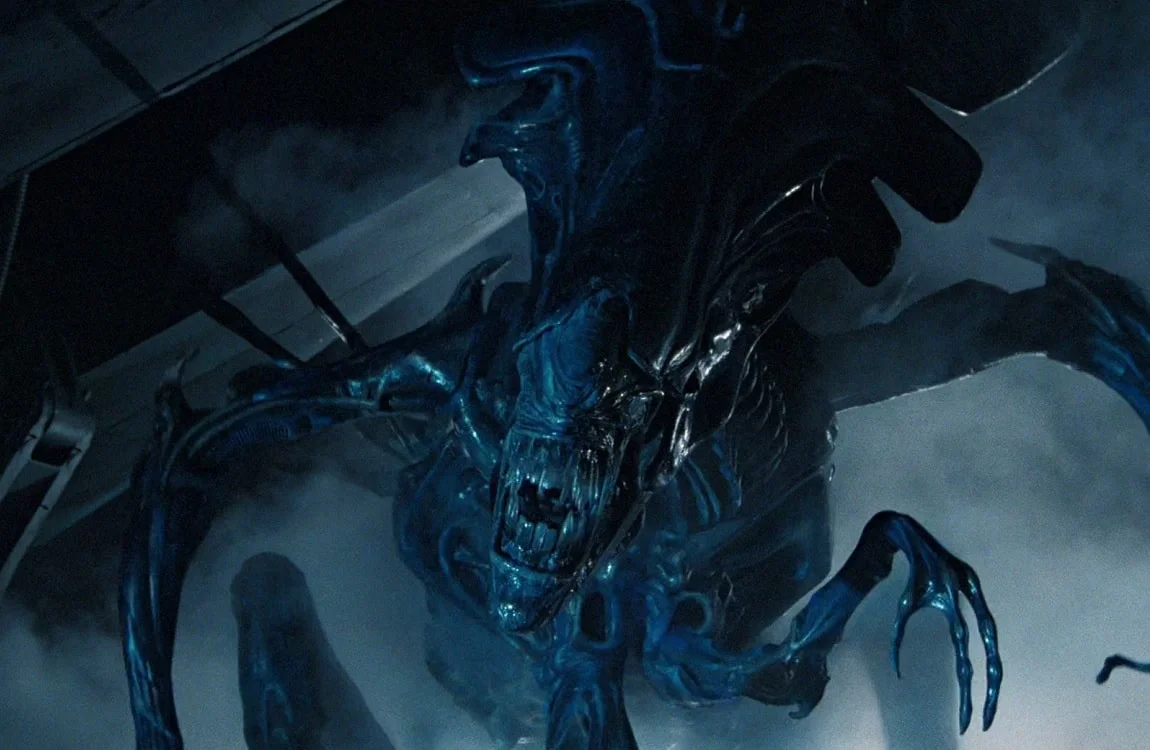
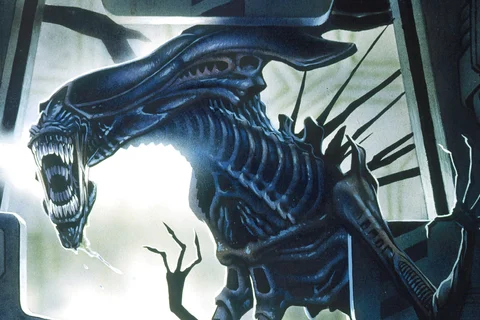
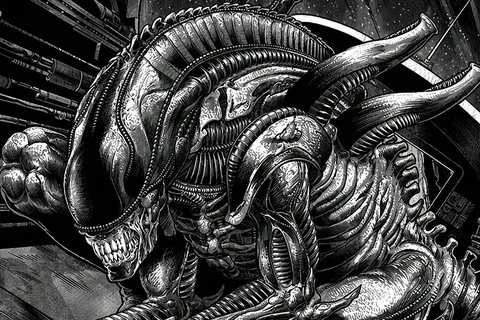
The most definitive female Xenomorph in the franchise was the Alien Queen, introduced in Aliens. Rather than resembling a humanoid female, the Queen was portrayed as a massive, insect-like organism whose primary role was reproduction and hive control. She laid eggs through a biomechanical ovipositor, commanded drones through instinct and pheromonal influence, and displayed strong maternal behavior when her offspring were threatened. While the Queen clearly fulfilled a female biological function, her design avoided traditional feminine traits (except perhaps the "heels" of the legs). This set the standard for how femininity was expressed in Xenomorph biology.
Female or Female-Coded Xenomorph Variants
Beyond the Queen, Alien lore introduced several hybrid, experimental, or symbolic beings that could be interpreted as female or female-coded. Some retained a mostly human appearance while carrying Xenomorph traits, while others were strange biomechanical entities linked to the hive in more abstract ways. These characters did not always fit the standard Xenomorph life cycle, but they expanded the idea of what a female Alien-related being could look like.
Eloise
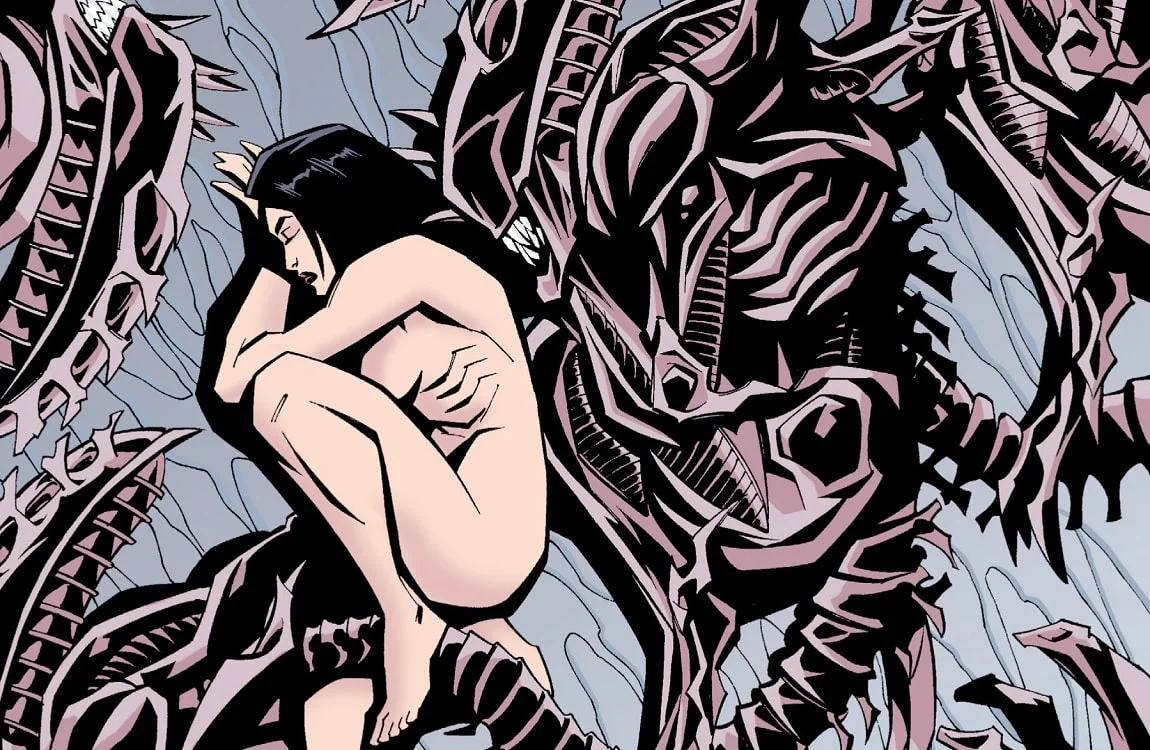
Eloise was a female Xenomorph android hybrid with a special relationship with the Xenomorphs. She was created as an experiment and grown in a lab on the planet Sybaris 503. Physically, she mostly looks like a human female but had Xenomorph DNA and acid for blood. Her hands were shaped like the claws found on the Xenomorphs and had four dorsal tubes on the back. She had enhanced speed and strength and was able to telepathically connect with the Xenomorphs who considered her to be part of the hive. She was featured in the Aliens: Purge comic and her adventures continued in the Aliens vs. Predator: Pursuit comic.
Ripley 8
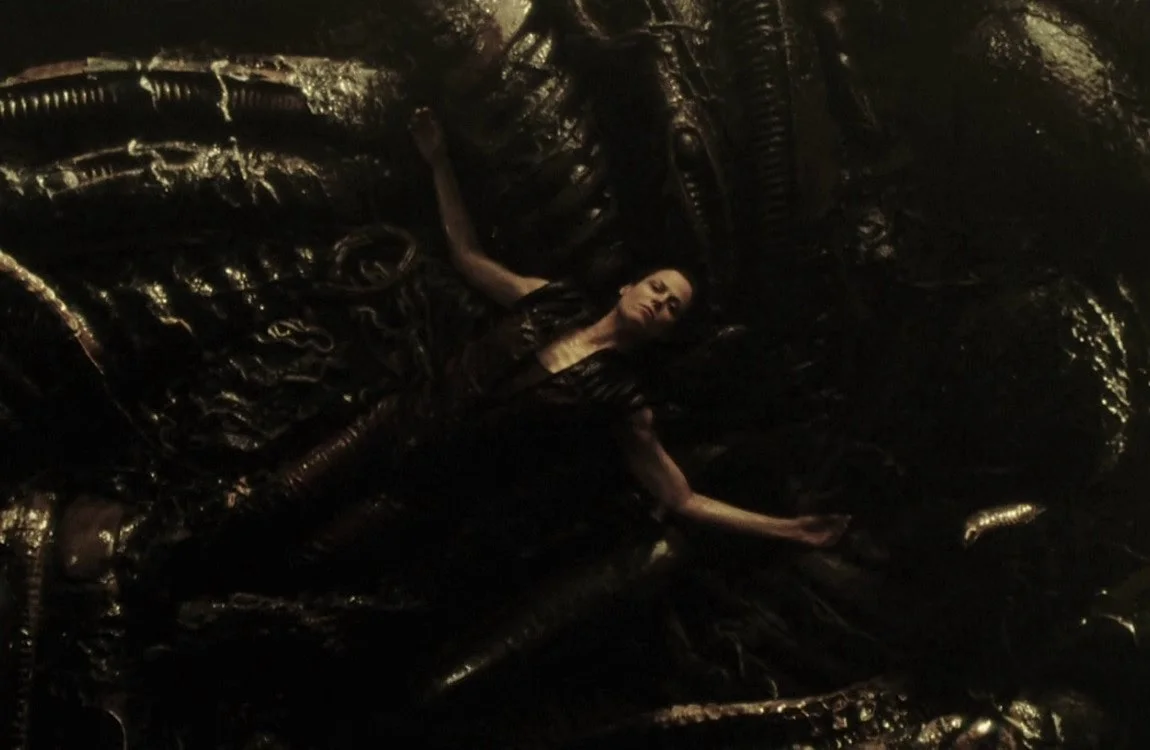
Ripley 8 was a cloned version of Ellen Ripley, cloned on the USM Auriga in the year 2381. Only the 8th clone was successful with an Alien queen being removed from her. Ripley possessed Xenomorph qualities like acid for blood, heightened senses and super strength. She didn't actually look like a Xenomorph, unlike the previous clones. She also possibly had a telepathic link to the Xenomorphs, feeling the presence of the hive. The Newborn Alien born from the cloned queen considered Ripley 8 to be her Xenomorph mother. Ripley 8 was the main character in the movie, and Aliens: Original Sin continued her story.
Dr. Elizabeth Shaw
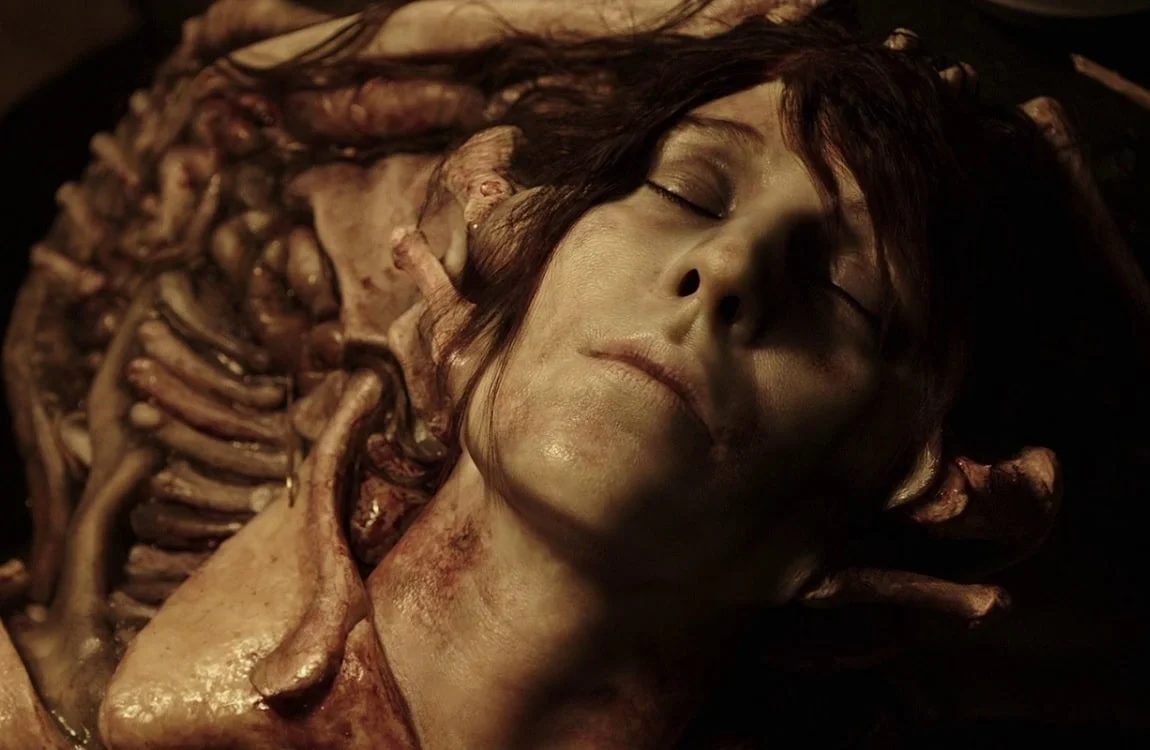
Dr. Elizabeth Shaw was the sole human survivor of the Prometheus mission. Together with the broken android David, they flew to an Engineer planet with the Juggernaut ship seeking answers. Shaw repaired David and went to cryosleep for the long journey. After David killed everyone on the planet with the black goo, he decided to start experimenting on Shaw. In the process she was killed and merged into some kind of female Xenomorph hybrid and a possible mother for the Xenomorph eggs. It is possible that through his sick experiments, David was able to create Xenomorph eggs without a queen Alien. It was a sad end to Elizabeth Shaw's character.
Xenomorph Goddess
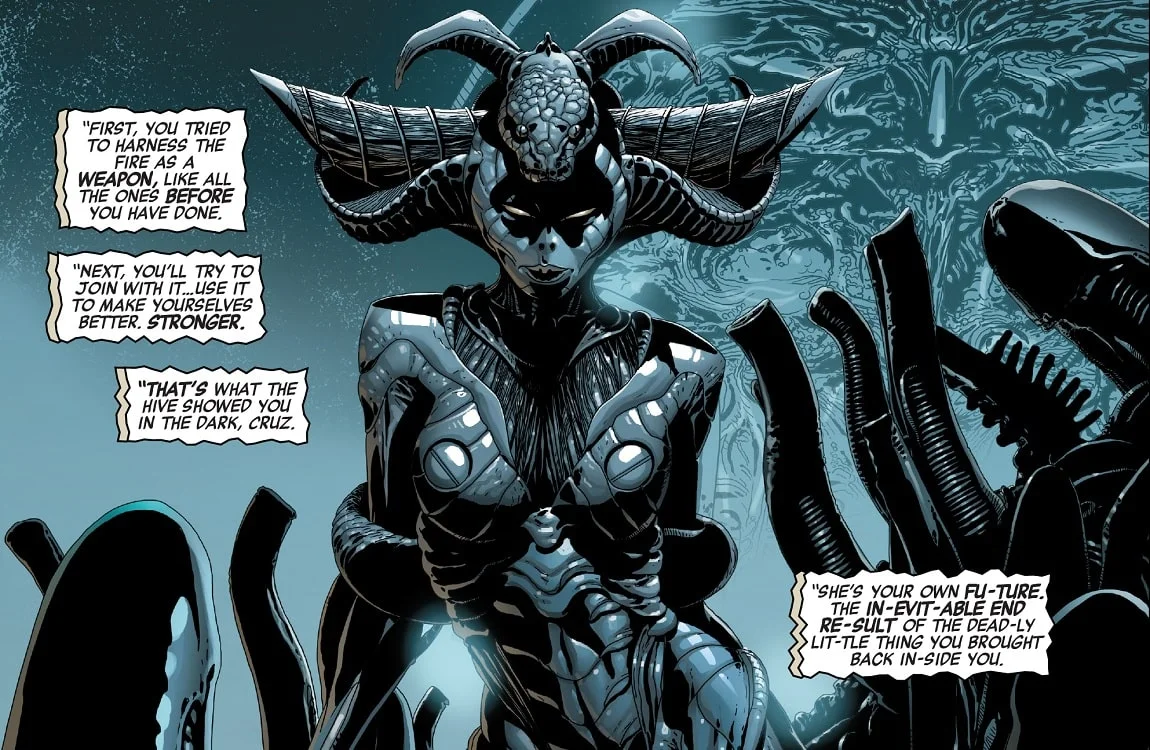
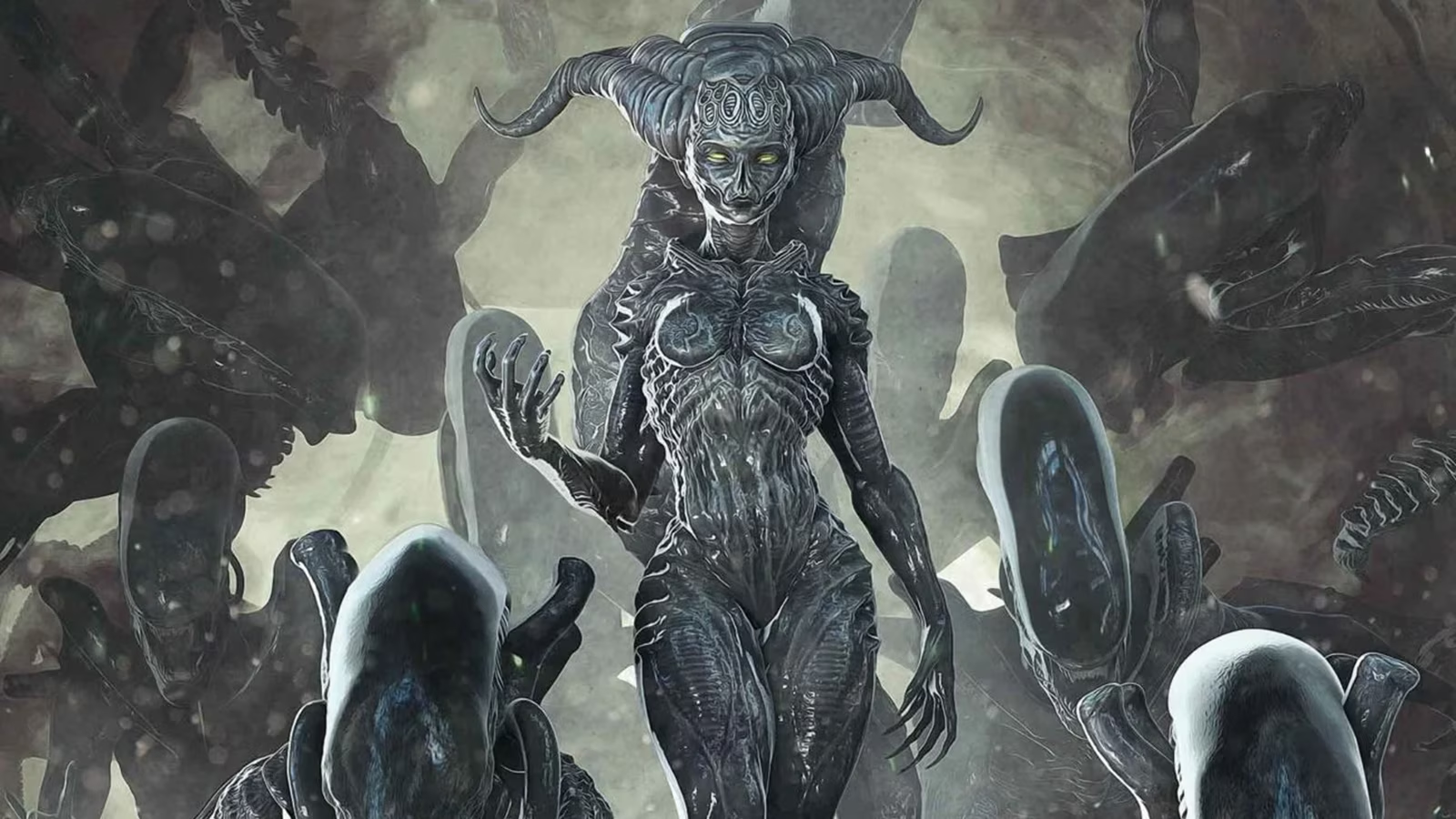
An enigmatic Xenomorph Goddess (also called the Woman in the Dark) was featured in the first Marvel Alien series, titled Bloodline. This biomechanical feminine creature with goat-like horns was part of the Alien hive, but not as a Queen. First, she appeared in the Facehugger induced nightmares of the main character (Gabriel Cruz), but soon it turned out that others had seen her too. She was supposed to represent the inevitable end result of mankind's run-ins with the Xenomorph species and wasn't just a figment of imagination. Alien: Icarus later offered a more physical parallel when the colonist Lee mutated into a hybrid leader surrounded by a queenless hive on Tobler-9. The Goddess was most likely inspired by a painting by H.R. Giger named "The Spell II".
Unused and Concept Female Xenomorph Designs
Some of the most striking female-coded Xenomorphs never appeared in finished stories at all. Instead, they survived through concept art, early design work, and abandoned film ideas that pushed Alien imagery in a more overtly feminine direction. These unused concepts are still important because they reveal how artists and filmmakers imagined alternative forms of Xenomorph evolution.
Giger's Early Designs
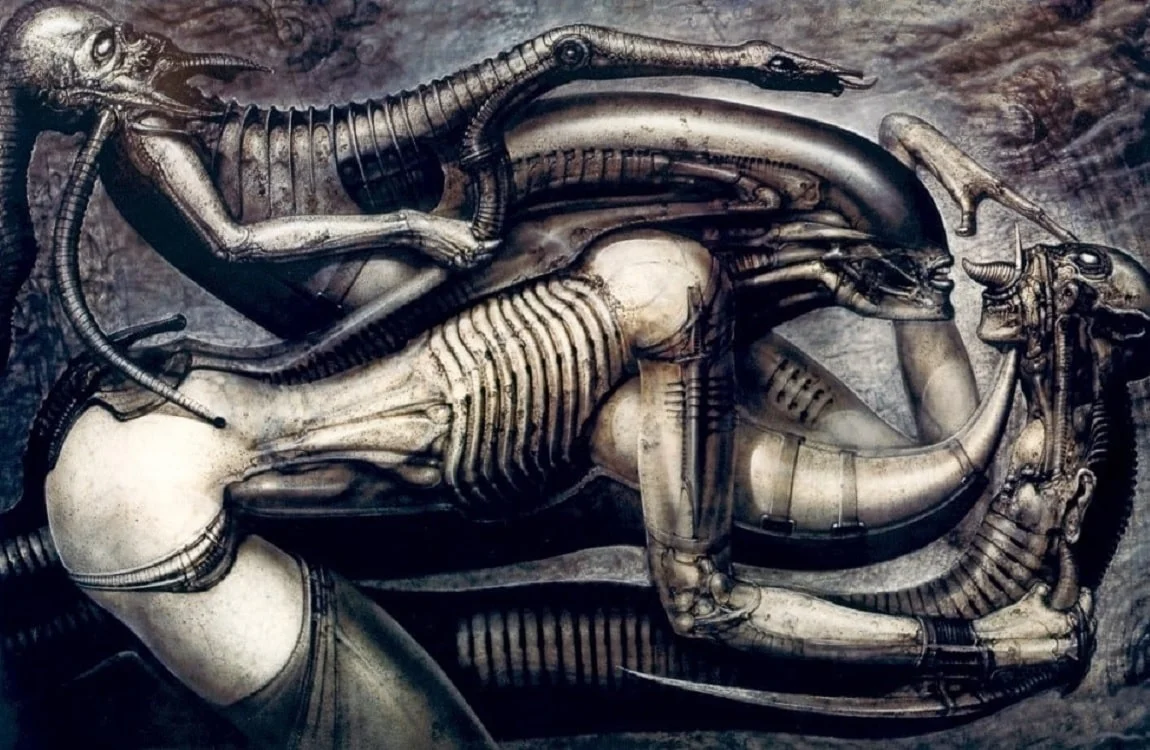
Even before the first movie, the legendary artist H. R. Giger sketched the first versions of the Xenomorph in his book Necronomicon. The designs had clear female features and deep sexual undertones which were a trademark of Giger. The paintings had breasts, sexual organs and even hints at rape. Of course, some of these features never made it to the first Alien movie. What remains is the biomechanoid elongated head, an inner mouth and an outer exoskeleton. A similar speaking body appeared when Blue Marsalis infected herself in Alex White's Alien: Into Charybdis.
Female Neomorph Concept Art
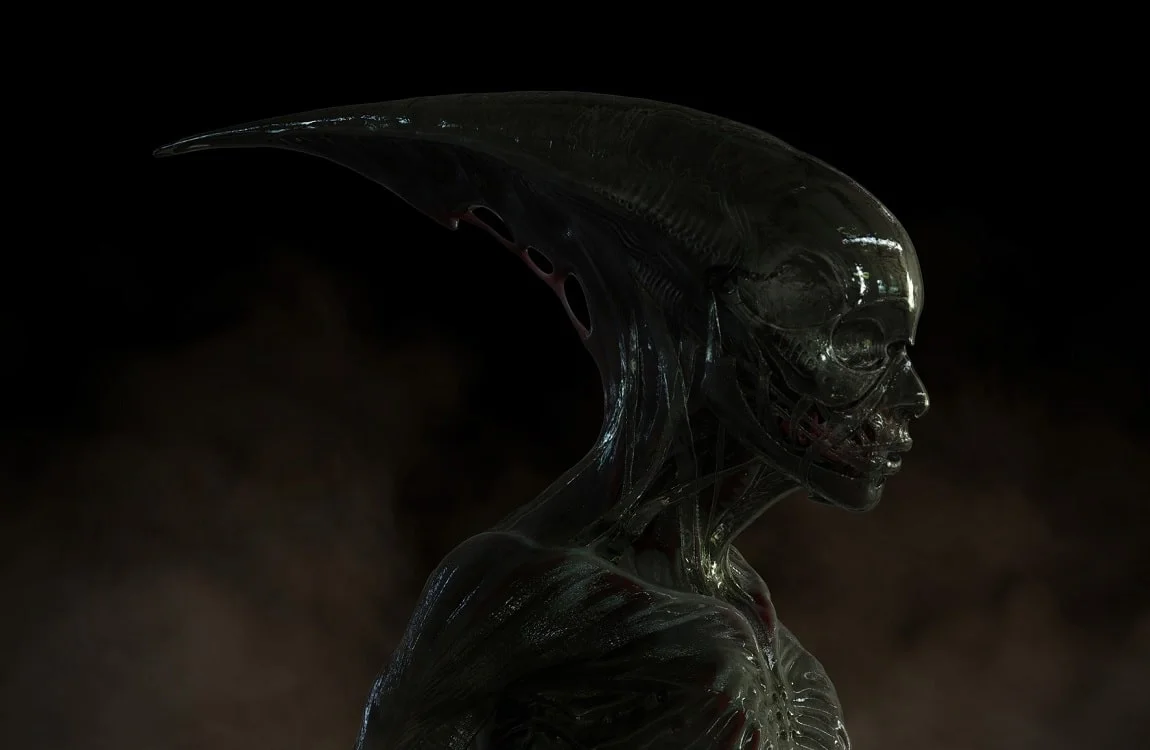
The Neomorphs from Alien: Covenant are depicted as animal-like and genderless pale creatures as a result of the Black Goo Pathogen mutation on the Engineer planet. However, in the earlier designs for the movie by Colin Shulver, they are similar to the Deacon from the end of Prometheus and much more feminine. This might tie into the bigger initial plans for incorporating Elizabeth Shaw into the movie. The feminine Neomorph had a female face that reminds us of Sil from the Species series, another Giger design. Another difference with the final design is the empty eye sockets and the much darker skin, which is more in line with regular Xenomorphs.
Ellen Ripley Hybrid in Alien 5
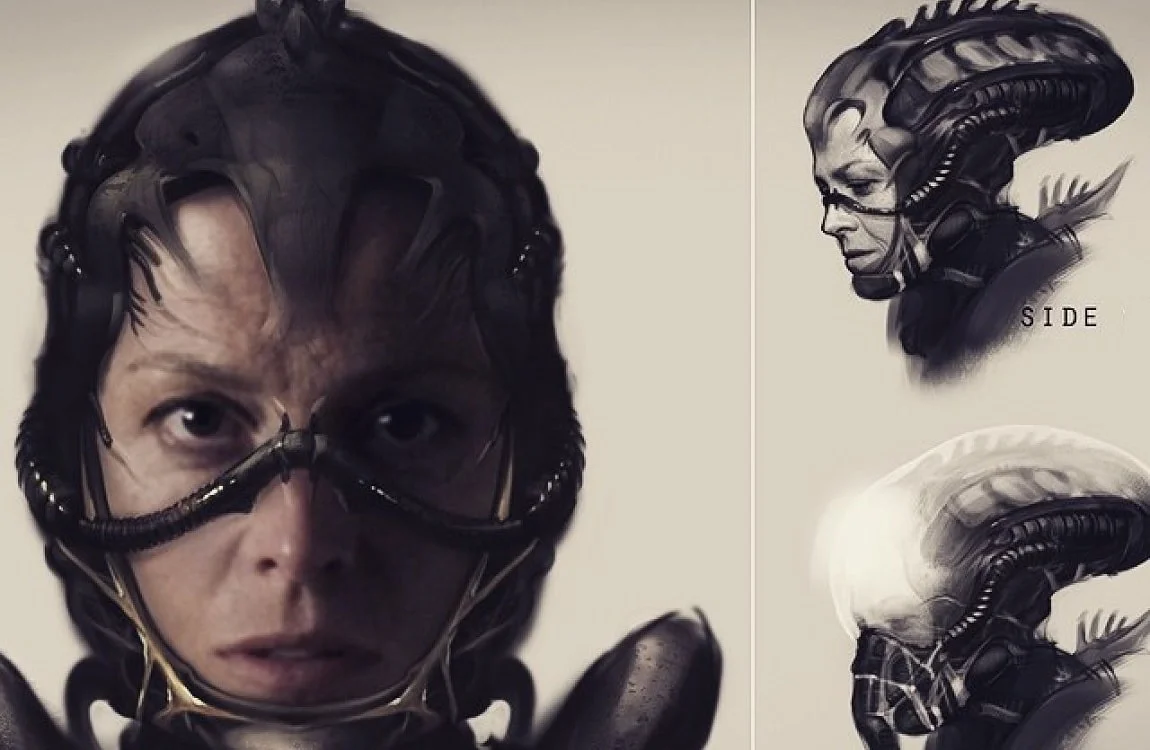
The concept art for Neill Blomkamp's Alien 5 featured some interesting sketches of a female Xenomorph hybrid in the form of Ellen Ripley. Although Blomkamp wanted to throw away the events of Alien 3 and Alien Resurrection, these sketches seem to be getting back into the territory of Ripley 8. It is not directly known if Ripley is wearing some kind of Xenomorph armor or has been actually fused or infected by a Xenomorph. The concept art also reminds me of the Engineer suit from Prometheus. The film was eventually canceled and these designs never came to fruition.
Does a Female Host Change the Xenomorph?
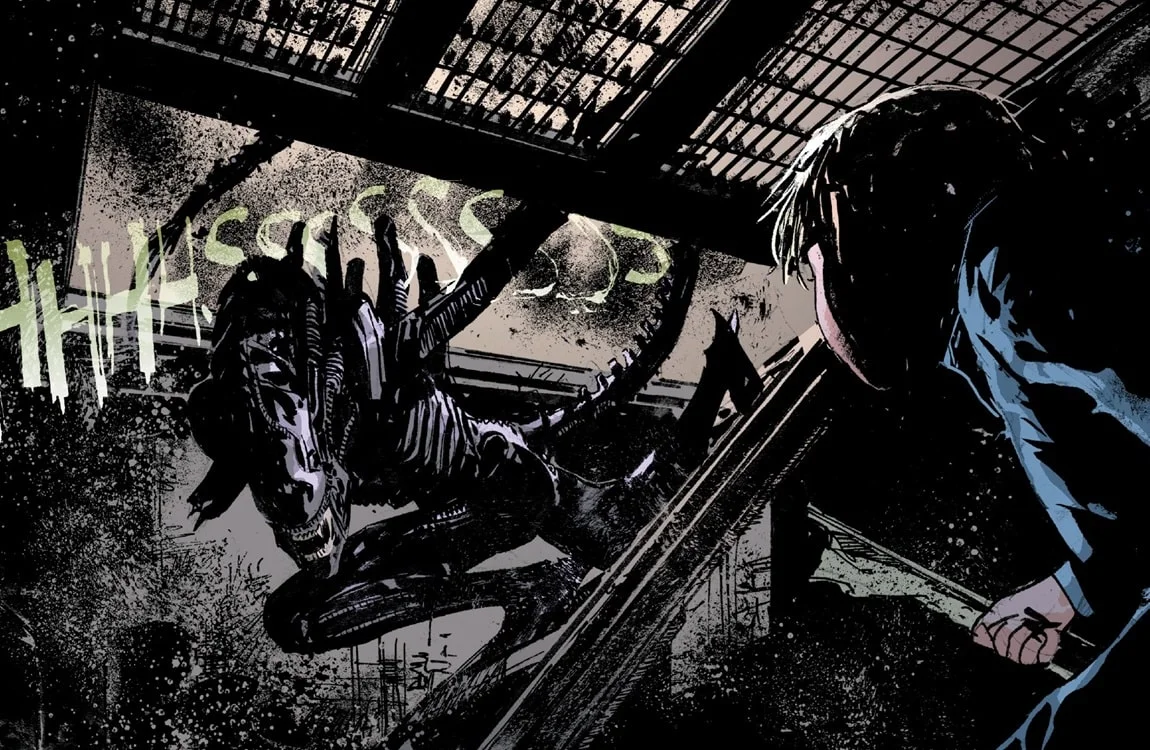
The gender of the Xenomorph's host has some importance, but should not be over-emphasized. In Aliens vs. Predator: Requiem, the Predalien is able to infect pregnant women in the maternity ward with multiple chestbursters. The Aliens: Dust to Dust comic suggests that a host's maternal instincts could influence the resulting Xenomorph. In this story, Anne Cregar, a mother on the colony world LV-871, is infected by a Facehugger. After its birth, the Xenomorph pursued her son Maxon's group, killing several members and losing an arm in the process. However, it occasionally hesitated, sparing Maxon at times. This led some to speculate that the Xenomorph's DNA reflex may have inherited Anne's maternal instincts.
Female Xenomorph X Reader
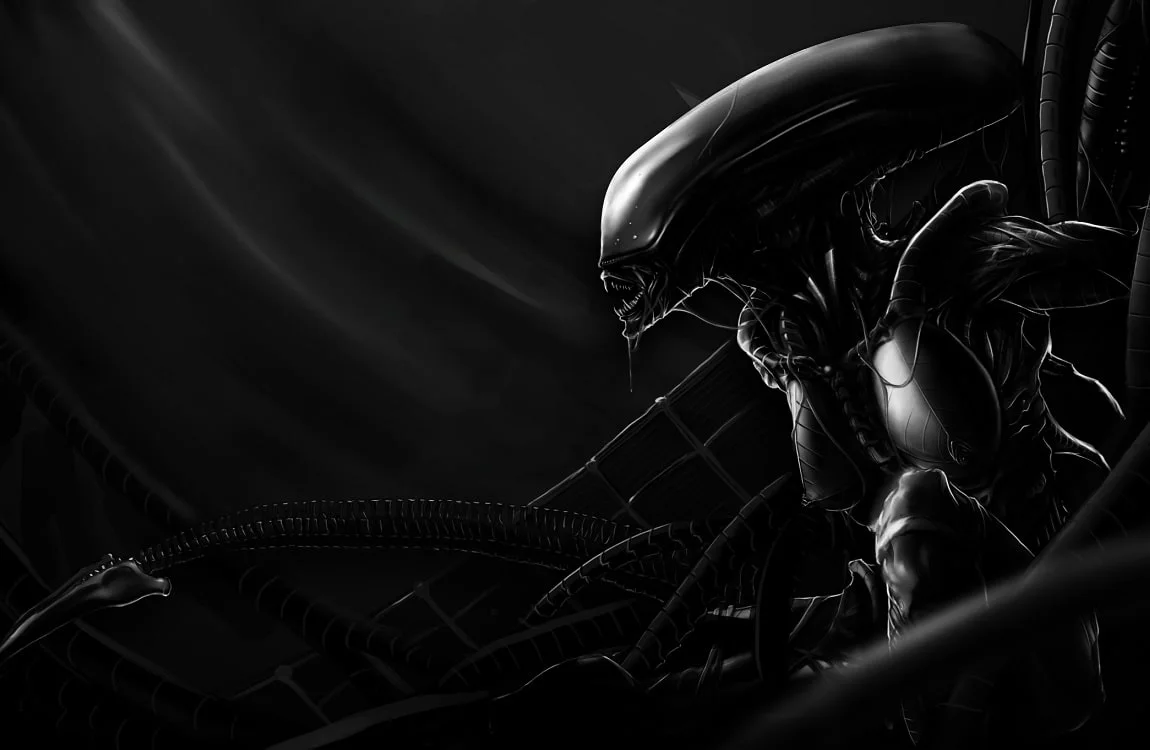
Female Xenomorphs are a popular topic in both fan art and fan fiction. Female Xenomorph X Reader refers to a fictional scenario where a female Xenomorph, an extraterrestrial creature from the Alien franchise, is romantically involved with the reader. The idea of a romantic relationship with a Xenomorph may seem unusual to some, as these creatures are typically portrayed as vicious and dangerous predators. However, in a "Female Xenomorph X Male Reader" scenario, the reader may find themselves drawn to the alien's unique and otherworldly qualities, leading to a complex and potentially dangerous romance. This type of fan fiction often explores the challenges and conflicts that arise from such a relationship, such as the differences in communication and the inherent danger posed by the Xenomorph's predatory instincts. The amazing fan art seen above is from artist HaryosoRiyadhi from DeviantArt.
Final Thoughts
While the Alien Queen is the most well-known female Xenomorph, the works of H. R. Giger showcase earlier designs featuring clear female features and sexual undertones. Other female or female-coded Xenomorphs include Eloise, a female Xenomorph android hybrid with a telepathic connection to the Xenomorph hive, Ripley 8, a cloned version of Ellen Ripley with Xenomorph qualities, and Dr. Elizabeth Shaw, who was experimented on by David and turned into a female Xenomorph hybrid. The concept art for Alien 5 also featured sketches of a female Xenomorph hybrid in the form of Ellen Ripley. Overall, the exploration of female Xenomorphs adds depth to the Alien lore and expands our understanding of these iconic creatures.
Tag Categories: Xenomorph Appearance | Xenomorphs From The Comics | Alien Lore