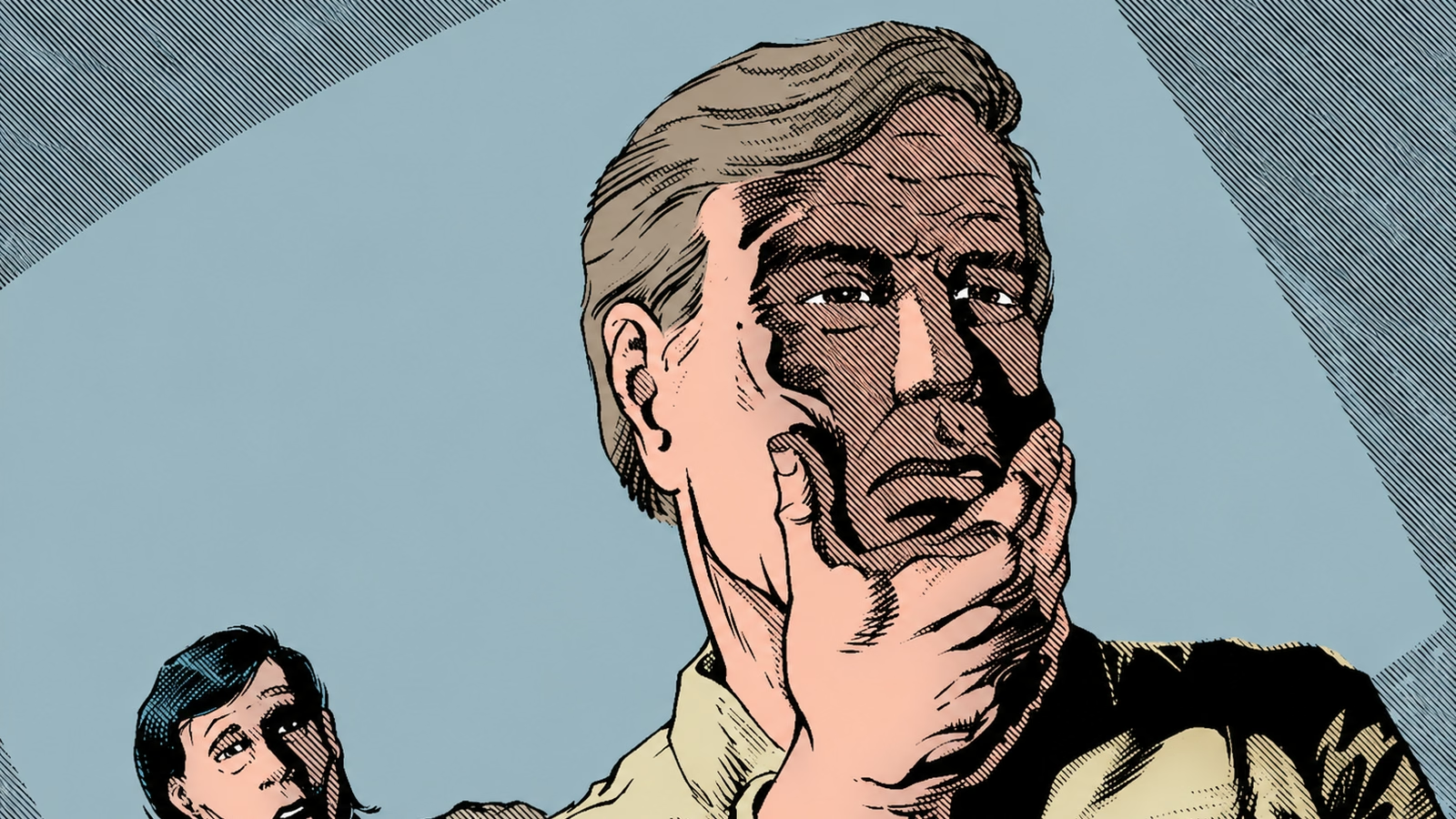

Dr. Waidslaw Orona was a government geneticist who sent a military expedition to recover a live Xenomorph in Aliens: Outbreak and its novel adaptation, Aliens: Earth Hive. While Wilks and the Benedict were away, Orona investigated reports of shared nightmares and learned that Bionational had already bred the creatures in captivity. When implanted cultists escaped the Lima laboratory, he took charge of a containment effort that grew into an increasingly desperate defense of Earth.
Biography
Reconstructing The Rim Incident
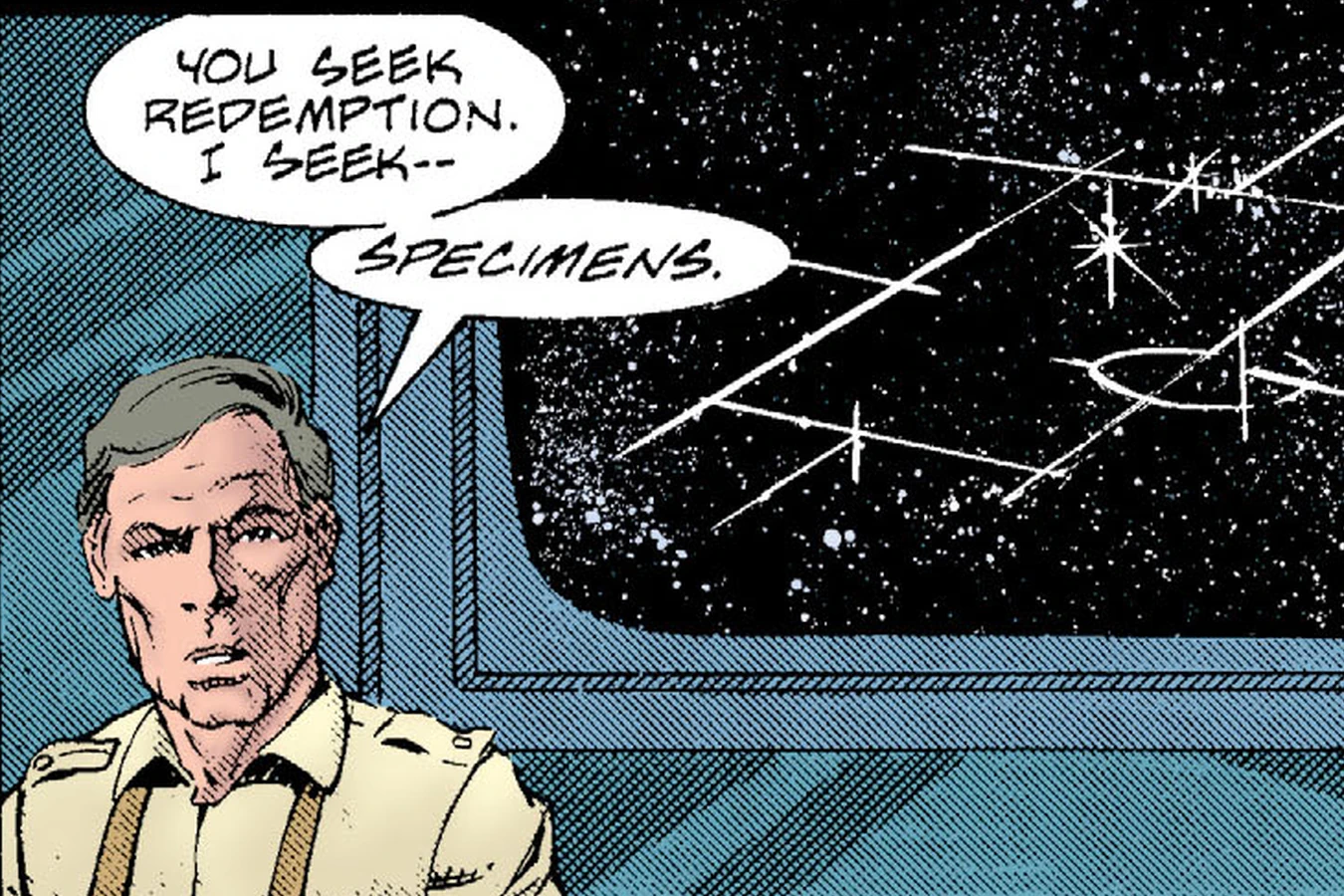
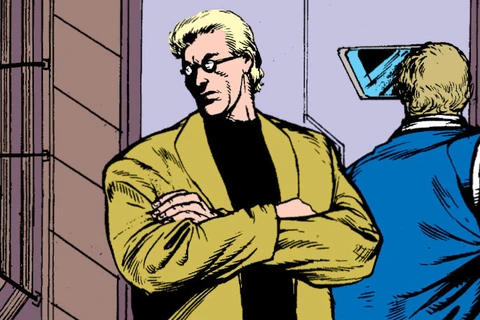
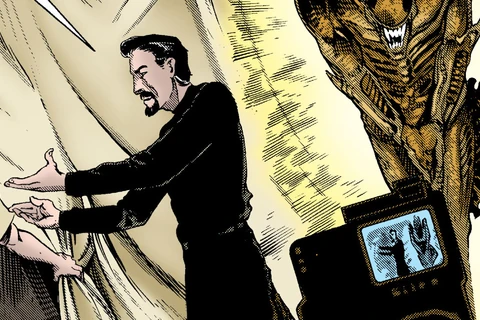
Waidslaw Orona was a geneticist working with the military. His classified presentation in Aliens: Earth Hive examined how the Aliens reproduced and challenged the assumptions humans brought to the study of intelligence. He also saw their biology as a potential source of military armor and weapons. In the comic, he introduced himself to David Wilks during a briefing about what the corporal had survived on Rim. Wilks had returned badly scarred by acid and spent months in quarantine. He was reluctant to go anywhere near the creatures again.
Orona had recovered records from the Junket, whose flight data gave the government a route toward the Xenomorph homeworld. He wanted a live organism, and Wilks's experience on Rim made him valuable to the Benedict expedition. In the novel, Orona used the fate of Billie to press Wilks into taking the job. She was confined and sedated in an Earth hospital, and Orona warned him that refusing could land him in the same position. The pressure helped set up Wilks's decision to take Billie off Earth with him.
The Shared Nightmares
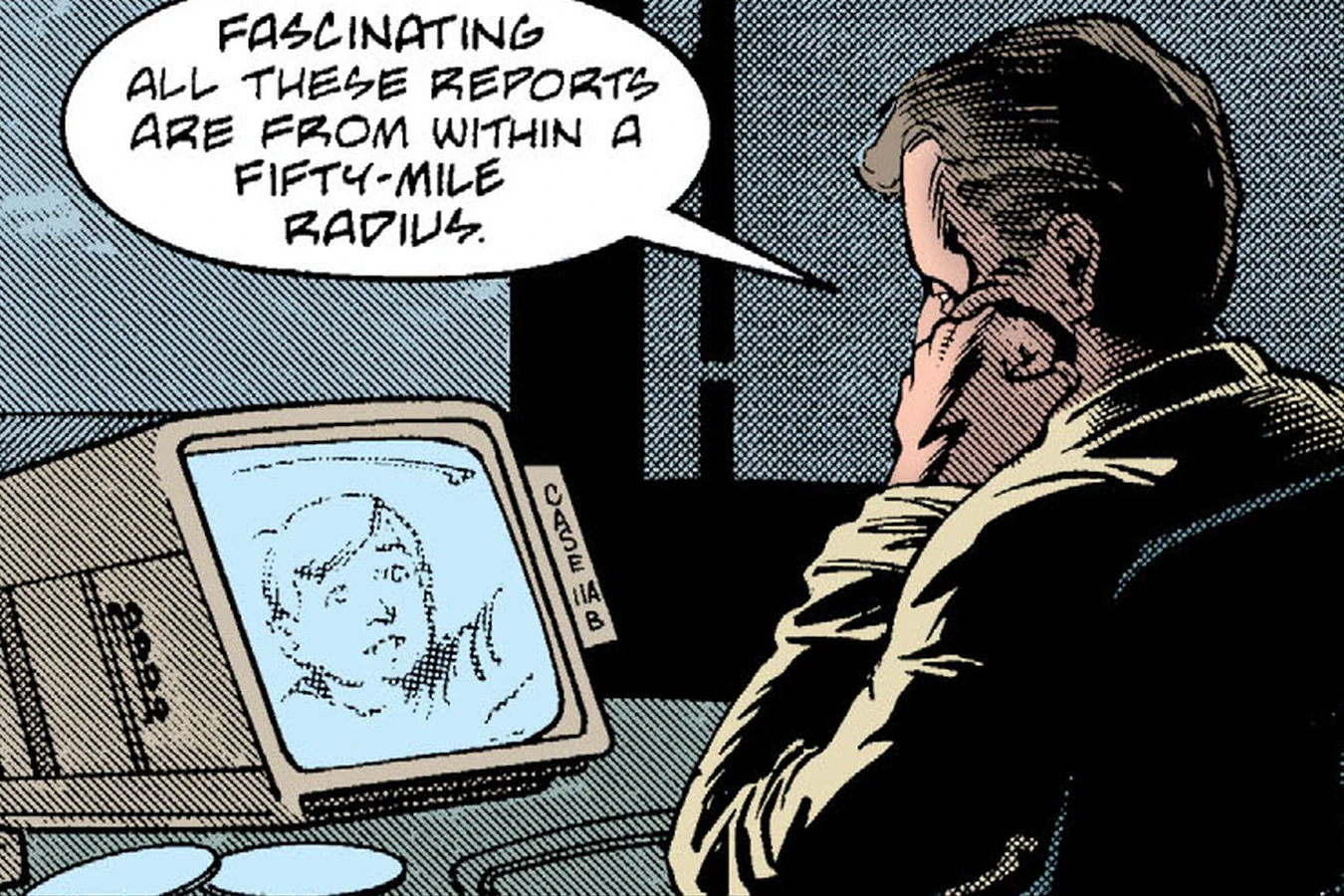
While the expedition was being prepared, Orona reviewed interviews from patients within a roughly fifty-mile radius. The people in the reports described similar creatures and scenes of violent birth. These were details the authorities had kept from the public. The reports came from people with no obvious connection to each other, which made a shared source more plausible than coincidence.
Telepathy was one explanation discussed by Orona and his staff. At first he questioned whether the similarities amounted to intentional communication. What he could establish was that the experiences appeared in the same region and that the people reporting them described the same forms. As the outbreak spread, he found that the dreams had drawn some people toward the hives. The visions could frighten one patient and inspire devotion in another. That distinction mattered when the Church of Immaculate Incubation began telling people who recognized the creatures that their dreams were a summons.
The Lima Raid And Its Survivors
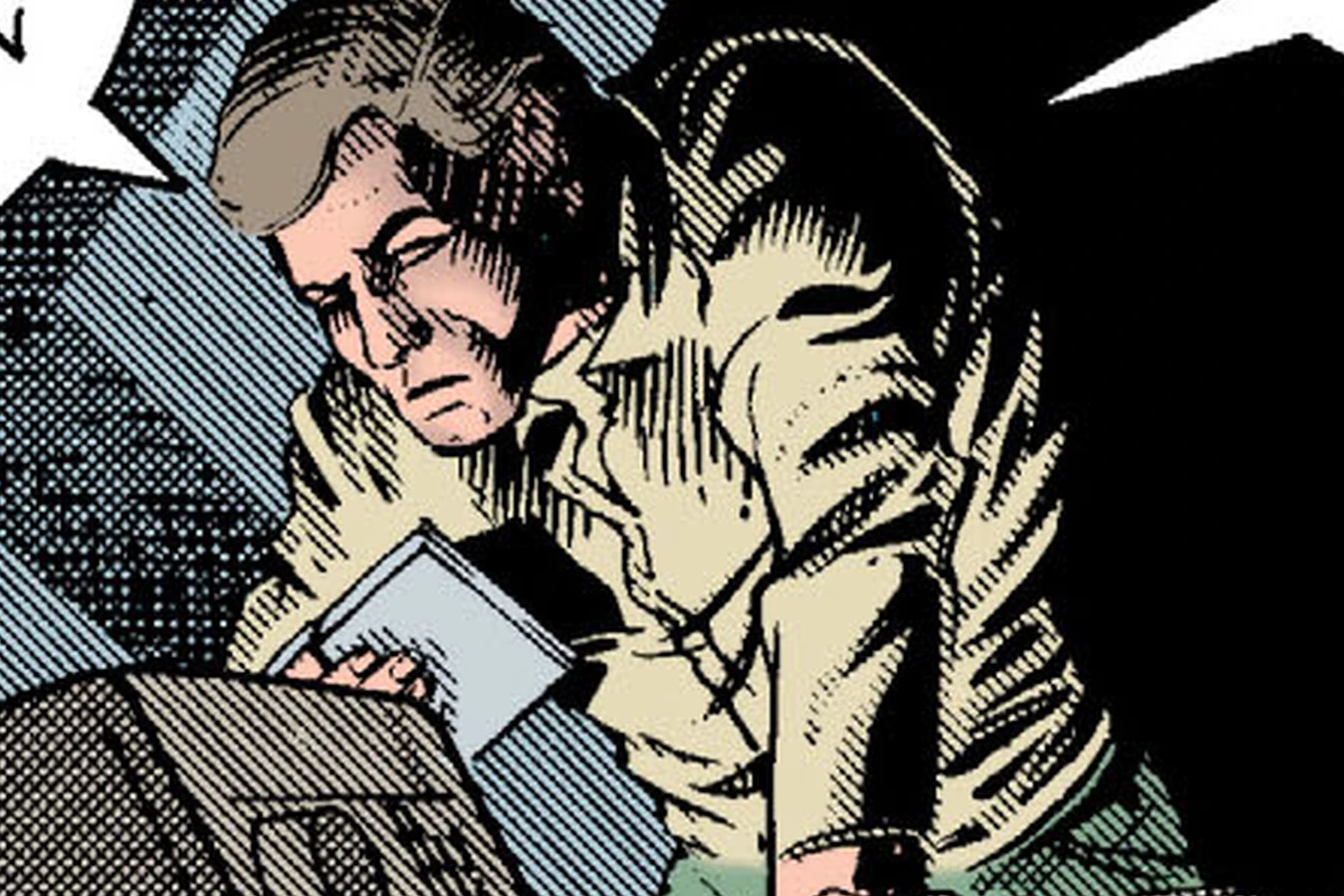
While Orona's expedition was away, Salvaje led the Church of Immaculate Incubation into Bionational's Lima laboratory. In the novel, Terran Intelligence showed Orona a reconstruction from security cameras. He saw a Queen surrounded by eggs and watched the cultists remove their robes and let Facehuggers attach. He also noticed that other followers stayed back and came in to drag the implanted people out.
Security destroyed the complex, wiping out the captive Queen and her eggs. Orona first regretted losing a specimen that had been within reach all along. The agent pointed out what the footage implied for Earth. The search had yet to find any survivors, and the blast had made it impossible to establish how many people died at the site. Anyone who had escaped with an embryo could establish a new hive well beyond the grounds. The lab's destruction therefore gave him no reliable way to tell whether the local nightmares would stop or reports would begin to surface elsewhere.
The First Containment Campaign
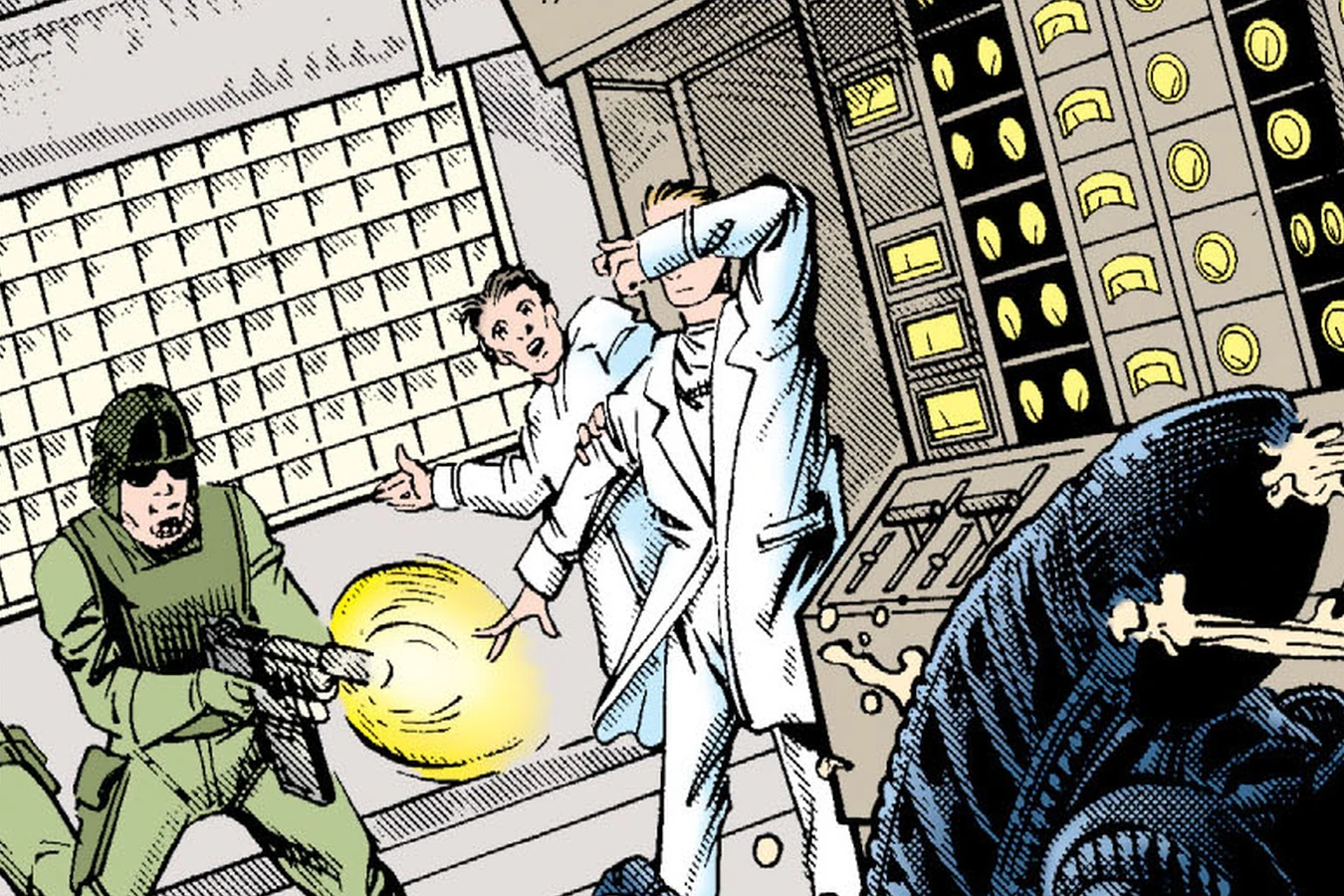
In a shielded meeting described in Aliens: Earth Hive, Orona confronted Bionational's Tobias Dryner and two company executives. He told them that investigators had found one of the Lima attackers dead in New Chicago. A chestburster had emerged, and the tactical team had found no trace of it. Reports of fresh nightmares continued after the destruction of the laboratory, which gave Orona another reason to believe the infestation had survived.
Orona and Dryner discussed how fast a few escaped organisms could turn into breeding populations. Orona used his authority under the Planetary Security Act to direct tactical teams against the earliest nests. New Chicago, Lesser Miami, Havana and Madrid were among the first sites they struck. At the time, the colonies were conspicuous enough to find, and destroying their egg chambers seemed to put the outbreak within reach of containment.
From Containment To Martial Law
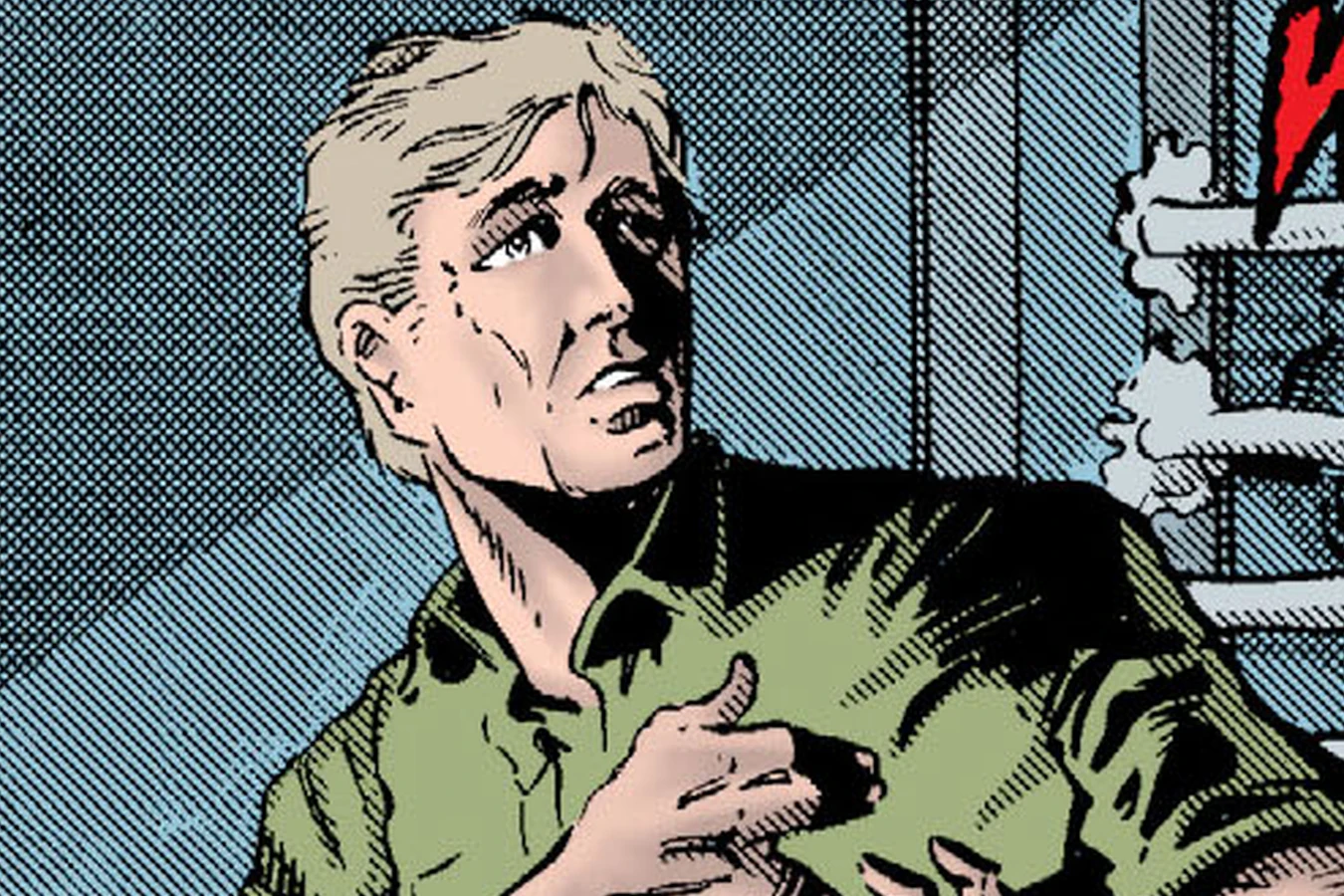
The early victories gave way to a broader Xenomorph infestation on Earth. The novel described a shift toward smaller, more scattered nests, some in basements and warehouses, others in rural areas beyond regular patrols. Teams found cattle, horses and goats with embryos, allowing the Aliens to spread in places where human disappearances alone would have drawn little attention. Elsewhere smaller nests linked together. A complex at Diego Suarez in Madagascar required an attack on the scale of a division.
Eight months into the war, Orona was responsible for the nuclear destruction of Jakarta. A year into the crisis, Australia was under full quarantine and the military enforced it from orbit. The authorities suspended national borders and formed the Military Alliance. In the comic, Orona recorded how screening went from voluntary to compulsory and how some officials exploited accusations of infection to remove opponents. The measures grew harsher as the areas the military could hold grew smaller.
The Evacuation Of Earth
By the end of the campaign, Orona viewed the hives as a planetary infection. The comparison explained why local strikes kept failing. Clearing one area left surviving colonies elsewhere to refill it, and failing utilities and communications made it harder to move troops or warn civilians. The comic carried that thinking into his last plan, a radiation strike intended to sterilize vast areas after the departing forces had time to escape.
The novel placed him inside a fortified military installation in Mexico, with mined approaches and screening at the perimeter. The military had confiscated starships to evacuate senior personnel and surviving troops to the outer colonies. Orona remained on Earth. By his final broadcast, most of the highest-ranking officers were already offworld and only a few installations remained to be evacuated. Even his own compound was losing contact with the outside. Land lines had largely failed, and satellite relays could reach only places that still had enough power to use them.
Orona's Final Transmission
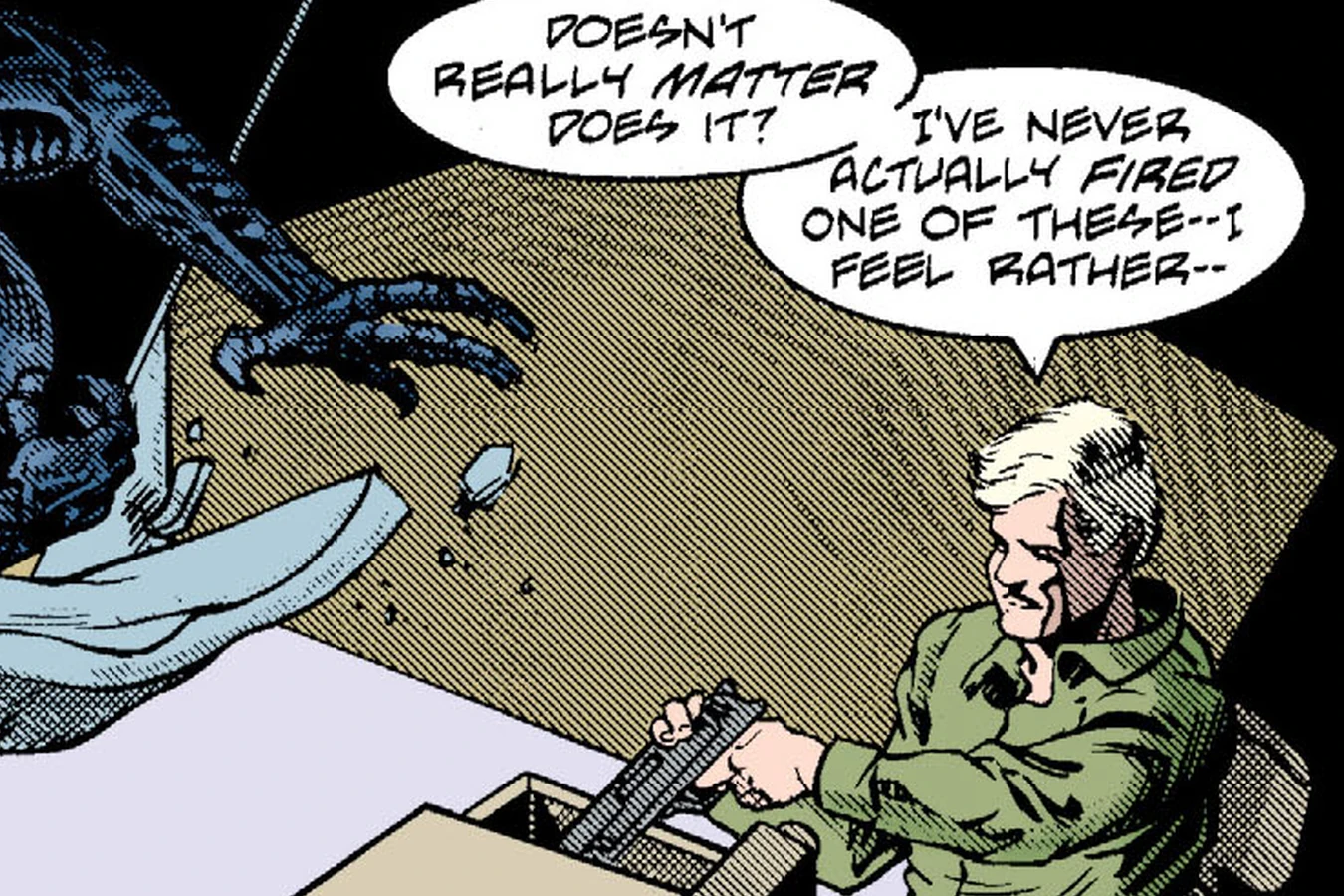
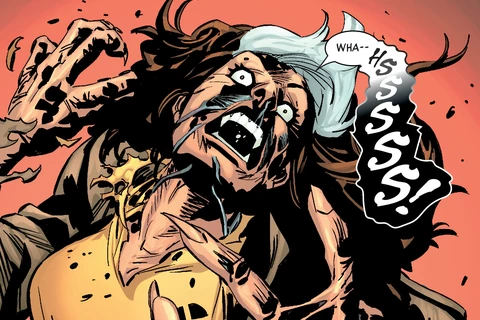
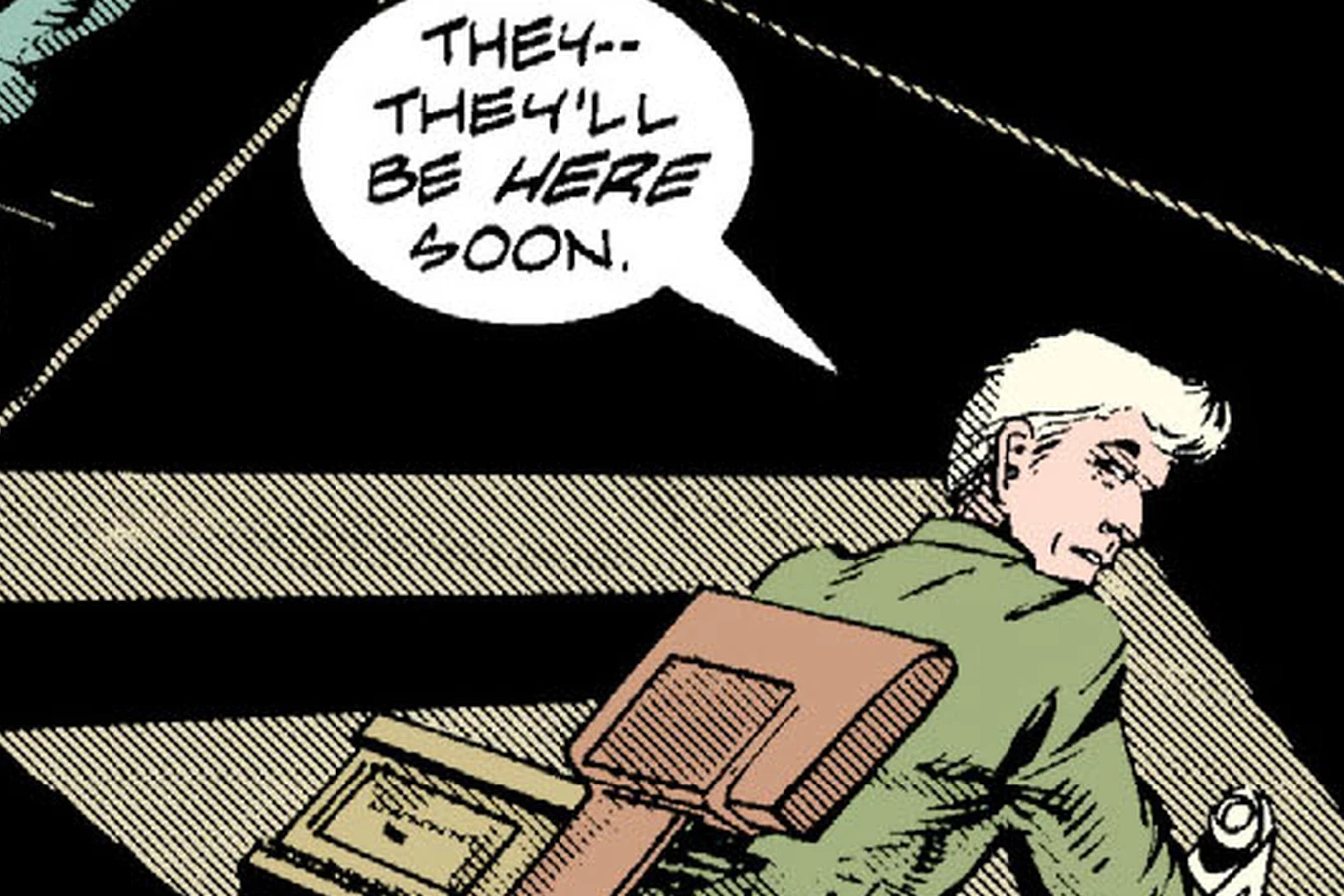
Orona recorded a final account of the collapse as the Aliens broke into his position. His report described communications failing across Earth and dwindling enclaves where troops could still hold the creatures back. In the comic, Wilks and Billie saw the transmission. It showed Orona raise his pistol as an Alien came through, then cut to the two watching as the shot went off. By then the man who had recruited Wilks could only leave a record of what had happened while the expedition was away.
The novel made Orona's death explicit. He shot himself just before the creature reached him, and it dragged him away while the camera kept recording. When the expedition eventually returned, Orona could no longer answer for the mission he had sent it on. The search for one live specimen had ended with humanity struggling to evacuate a planet full of them.
The Bombs He Left Behind
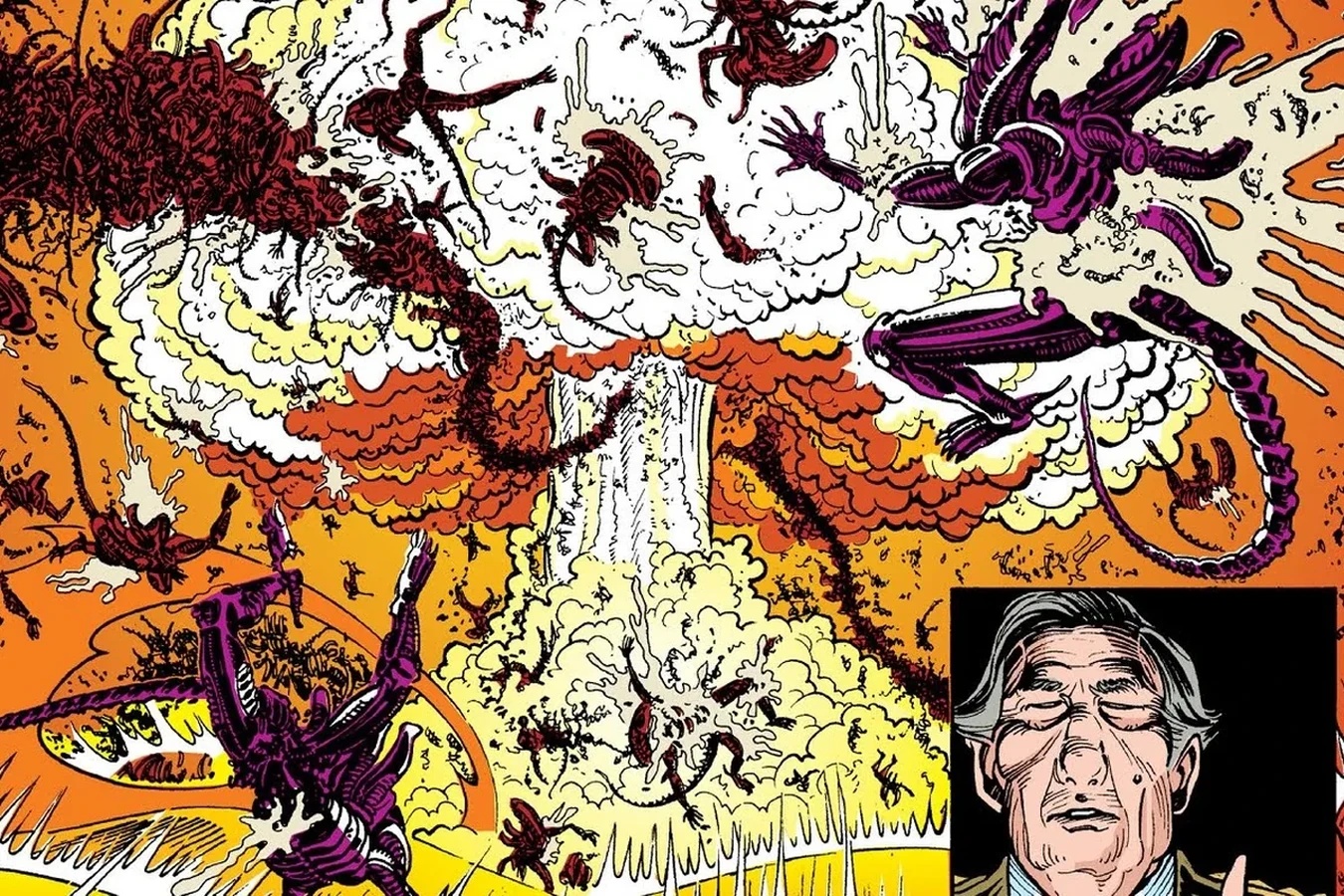
Orona's weapons outlasted him. In Aliens: Female War and its novel adaptation, Aliens: The Female War, the survivors returned to Earth with a Queen Mother and placed her near Orona's bomb complex. In the novel, the weapons formed a chain through the northwestern mountains, and the crew left the Queen Mother in a nearby cave. They counted on her influence to draw the planet's Xenomorphs into range of the buried weapons, bringing distant hives to a single target that Orona's forces had never been able to create.
In the novel, Ripley transmitted the signal that started the six-month countdown. She allowed six months so that even a drone twenty thousand kilometers away could reach the mountain. The departure of the Kurtz left the Queen Mother in the cave with the hives still on their way. The novel ended before the bombs went off. The later Aliens: Genocide treated the strike as the one that destroyed most of the Earth hive.
Behind The Scenes
Writer Mark Verheiden and artist Mark A. Nelson used Orona to connect the expedition to events on Earth. The original comic had him brief Hicks, while the revised Outbreak edition gave that role to Wilks. Steve Perry kept Orona's name in Earth Hive and expanded his side of the story through a classified presentation, the interview with Bionational, and a campaign that unfolded over a year and a half. The comic showed the last broadcast from the perspective of its viewers aboard the ship, while the novel stayed with Orona in the room as his position fell.
Appearances
- Aliens: Outbreak (Dark Horse comic)
- Aliens: Earth Hive (1992 novel by Steve Perry)
Tag Categories: Alien Universe Characters | Alien Universe Scientists | Alien Lore