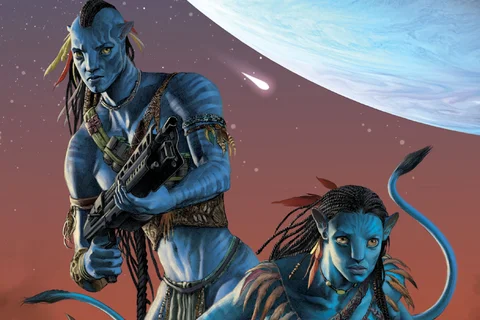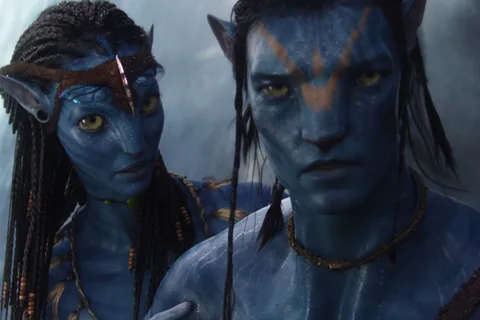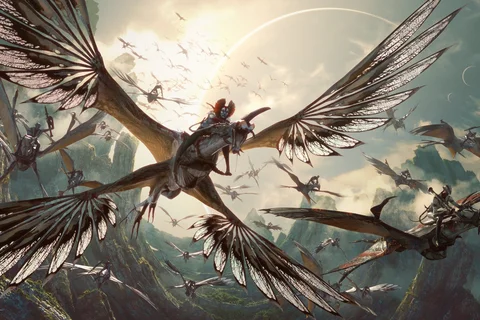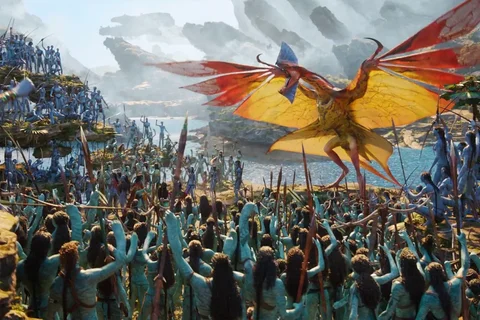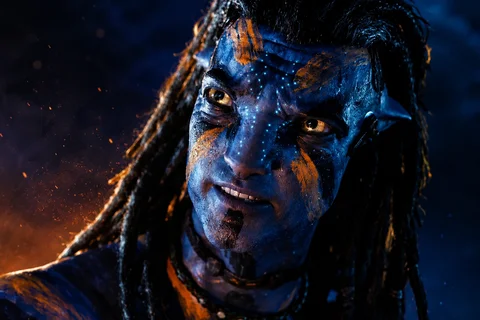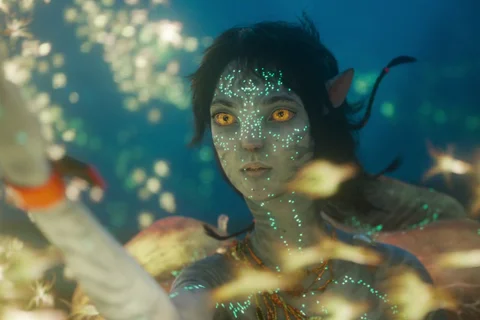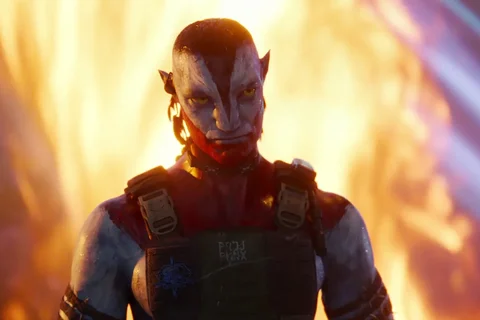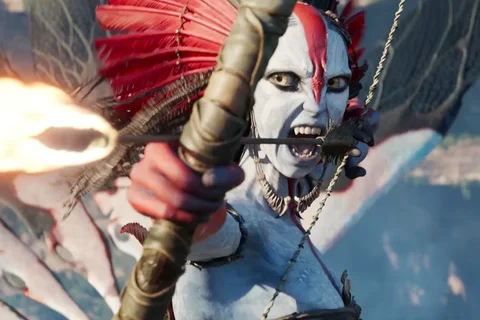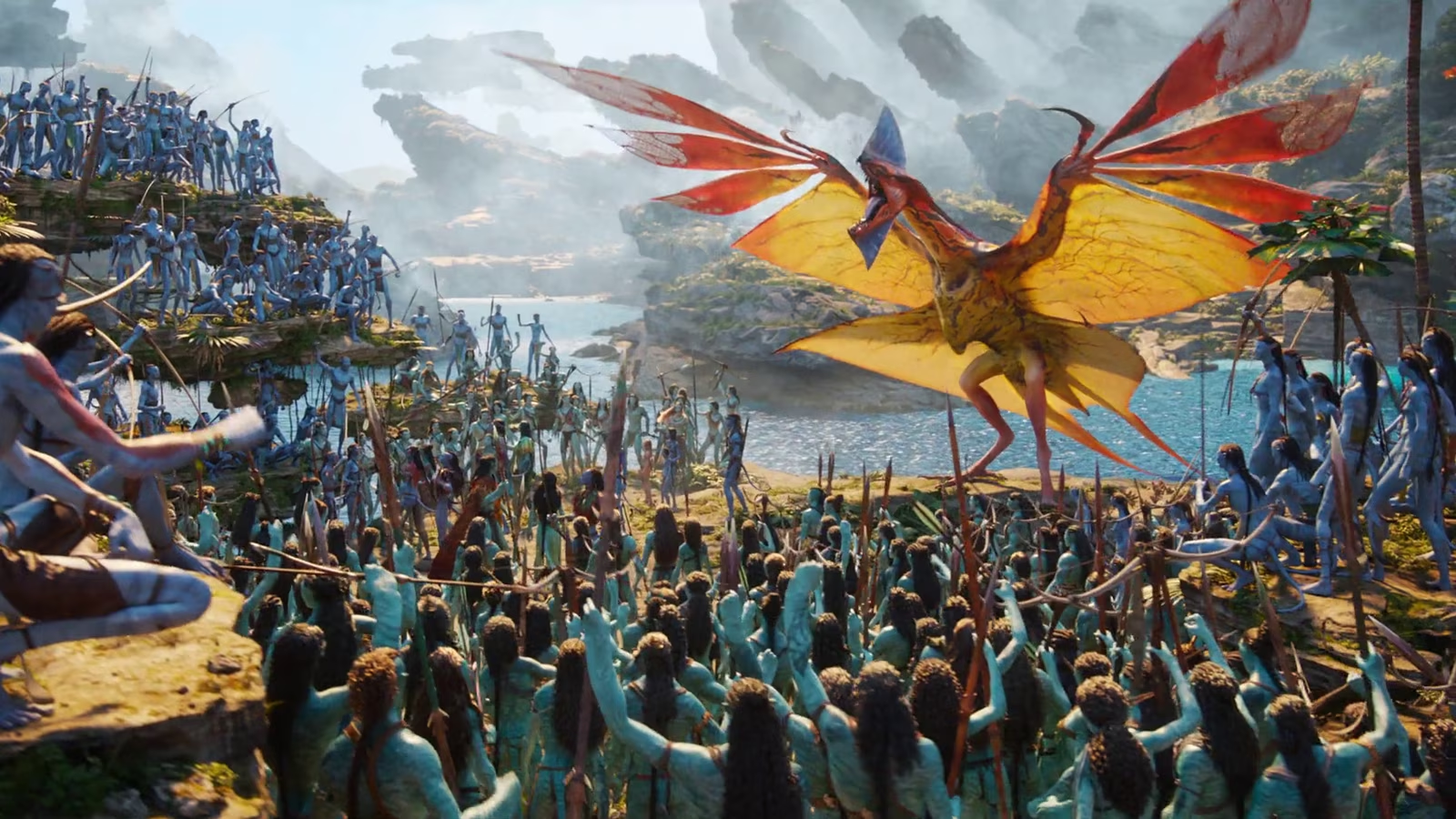

The Na'vi are an indigenous humanoid species native to Pandora, living in clan-based societies that reflected the moon's varied biomes. Each clan developed its own traditions, survival methods, and spiritual practices centered on Eywa, the Great Mother. Canon material from films, official game projects, and expanded universe sources provide a range of clans that contributed to Na'vi history and their resistance against the RDA. Here is the list of the known canon Na'vi clans from Pandora (15 in total), including clans and tribes from the Avatar movies, games, and the Avatar comic books. The list is in progress of expanding, while some of the clans from the older Avatar games are not included, as they are considered non-canon.
Omatikaya Clan
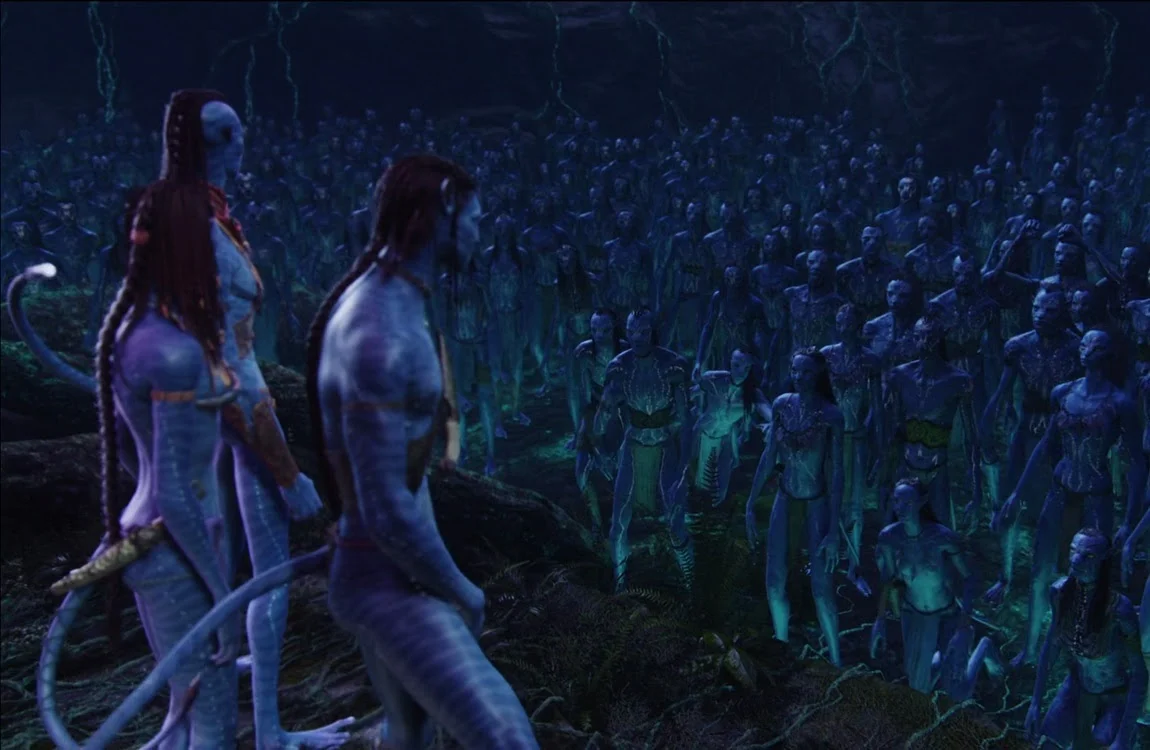
The Omatikaya clan was a central forest-dwelling people who lived in the lush jungles beneath the Hallelujah Mountains. They were known for their craftsmanship, spiritual leadership, and deep bond with sacred sites such as the Tree of Voices and the Tree of Souls. During the conflict with the RDA, the Omatikaya provided the core resistance that rallied other clans, showing their influence among forest communities. After the destruction of Hometree, many members relocated to the hidden refuge of the eastern mountains, adapting their society to new environmental pressures. The Omatikaya clan is the most well-known Avatar clan, being home to both Jake Sully, Neytiri, and their children.
Olangi Clan
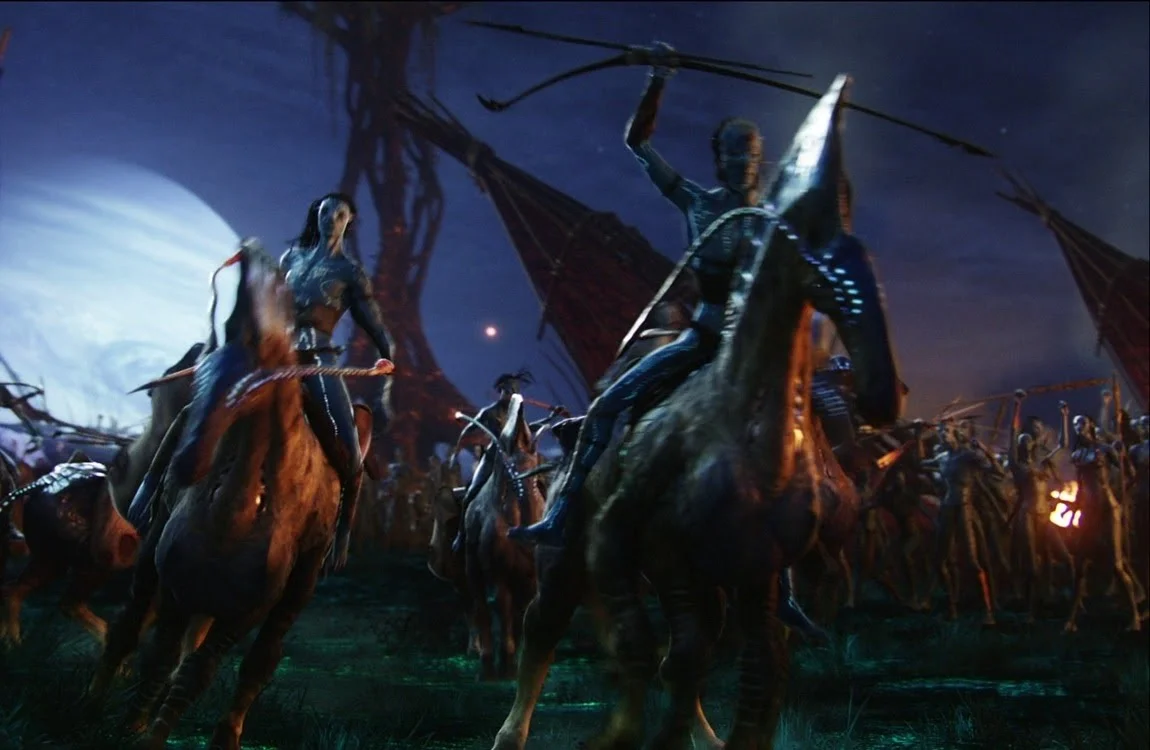
The Olangi clan were nomads who roamed the wide plains of Pandora and specialized in direhorse riding and mobile encampments. Their leadership structure encouraged cooperative tactics during hunts and conflicts, enabling them to move swiftly across long distances. The Olangi were one of the first clans to answer the call to unite against the RDA, demonstrating both their loyalty and strategic value. Following the devastating losses suffered in the battle for the Tree of Souls, surviving Olangi integrated into Omatikaya territory, blending aspects of their culture with forest clan traditions. The Olangi clan was briefly seen at the end of the first Avatar movie, when Jake Sully rallied nearby clans.
Tayrangi Clan
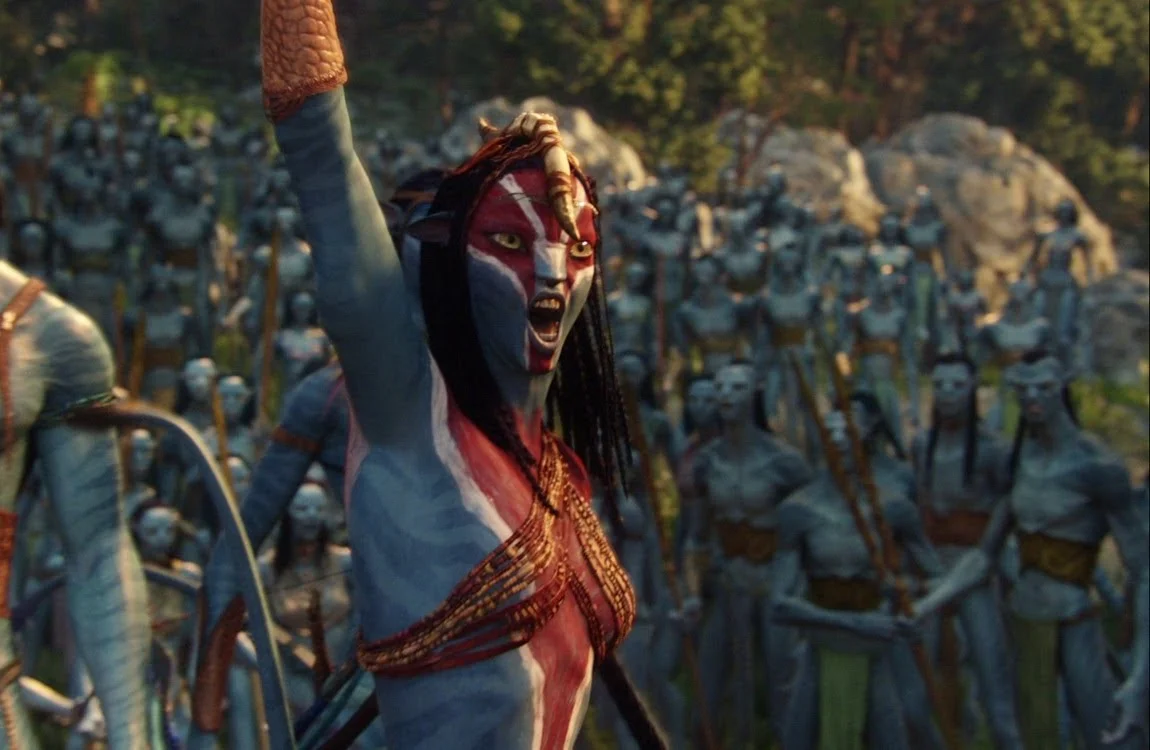
The Tayrangi clan resided along the eastern coastline, where they developed exceptional skill in both ikran riding and maritime navigation. Led by a powerful female Na'vi, their dual mastery of air and sea allowed them to defend their region effectively and maintain trade or contact routes between coastal clans. Under the leadership of Ikeyni (the Na'vi rank of Olo'eykte), they joined the great alliance that confronted the RDA during the first film's events. Their close relationship with both marine resources and cliffside roosts created a hybrid lifestyle distinct from other ikran-based societies. As the Olangi, the Tayrangi was briefly seen at the end of Avatar.
Metkayina Clan
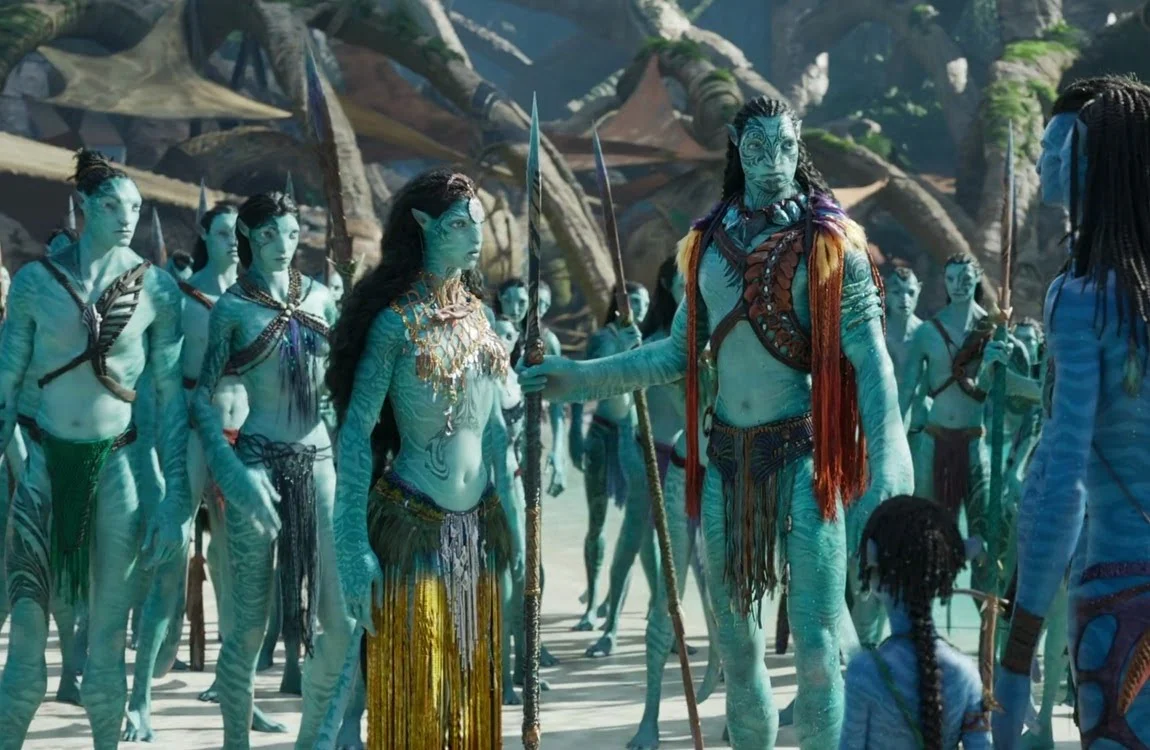
The Metkayina clan was a major reef dwelling people who lived amid expansive coastal mangrove structures known as marui. They relied heavily on aquatic fauna such as the ilu and maintained symbiotic cultural ties with the tulkun, whom they regarded as spiritual siblings. Perhaps the most distinctive Na'vi type, the clan was known for its unique physiology adapted to water environments, including broader chests and stronger swimming abilities. During the turmoil involving Jake Sully and his family, the Metkayina became a sanctuary and later a key ally in efforts to counter expanding RDA maritime operations. Headed by Tonowari, the Metkayina is the second most famous Pandora clan, being heavily featured in Avatar: The Way Of Water.
Tipani Clan
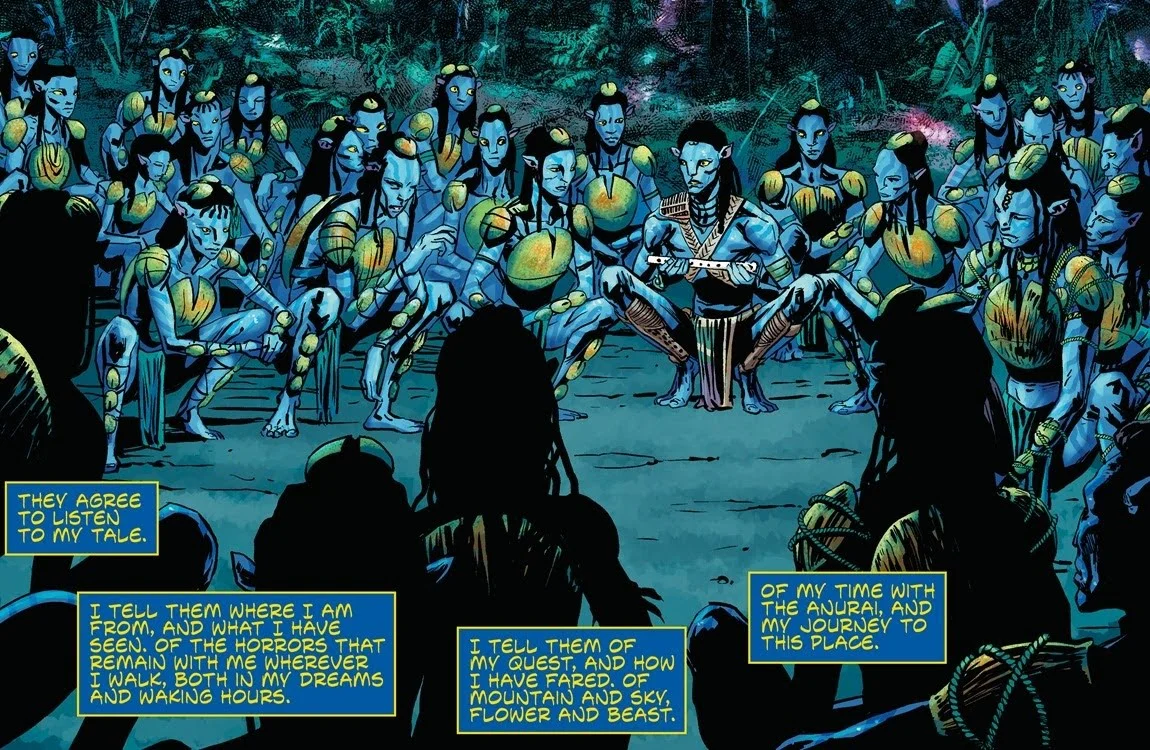
The Tipani clan was referenced in early Avatar materials and depicted in later game-based media as formidable warriors of a forest region marked by dense undergrowth and heavy foliage. They developed silent combat techniques, and armor crafted from local cuirass crab materials, giving them a reputation for ferocity in territorial defense. Their disciplined social structure emphasized strength, vigilance, and group protection, which shaped their interactions with neighboring clans. Despite their aggressive style of warfare, they shared the Na'vi reverence for Eywa and maintained ritualistic traditions that honored their environment. They appeared in the Avatar: Sol'ek's Journey comic book, helping Sol'ek gain the necessary skills to become one of the strongest Na'vi.
Trr'ong Clan
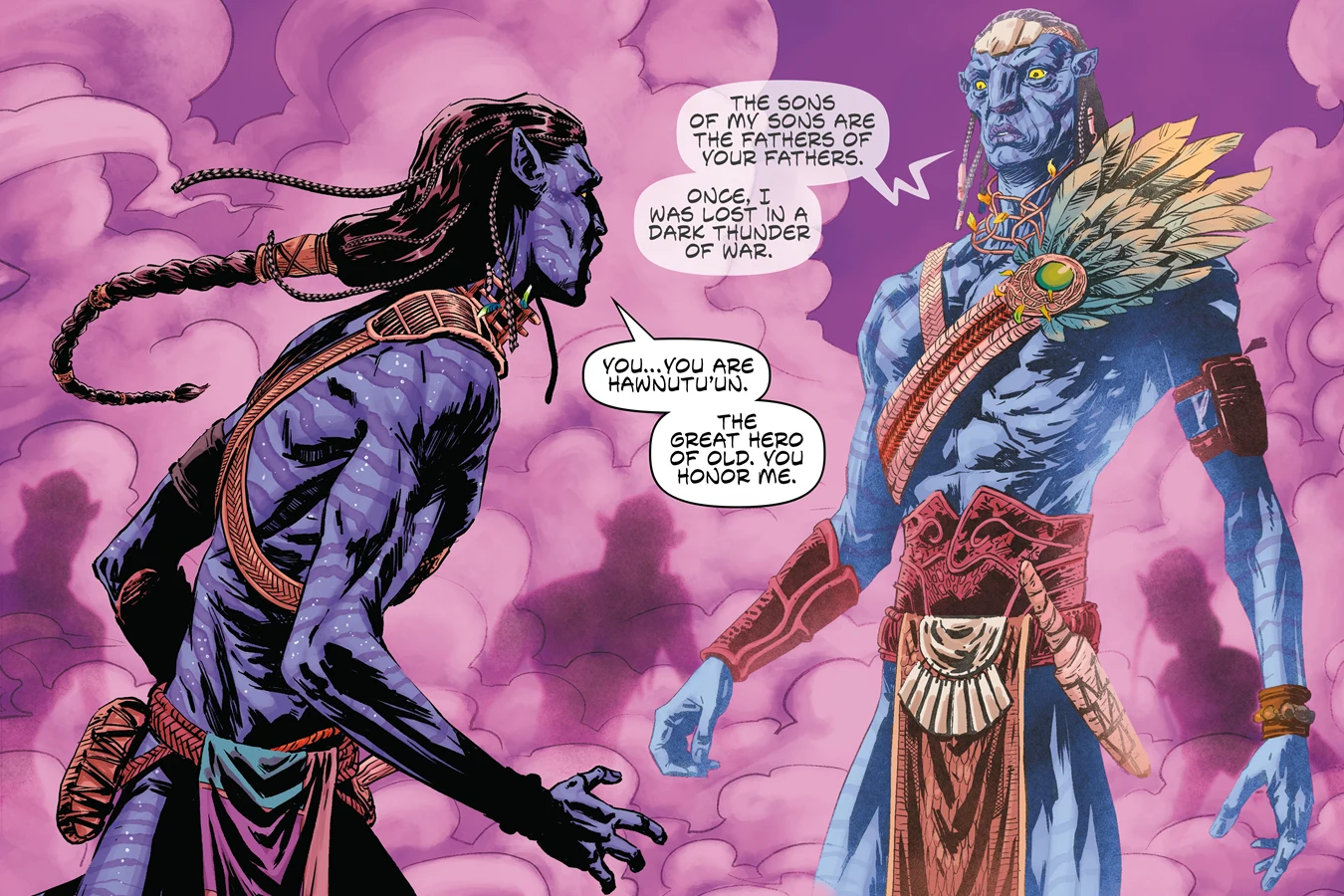
The Trr'ong clan lived near the Hallelujah Mountains and was the people of So'lek, the warrior who later reached the Western Frontier. After the Battle of the Hallelujah Mountains, the RDA destroyed their village, and most of the clan was killed or scattered. So'lek found the wounded survivor Txuratrri and carried her to the Tree of Voices. There he received a vision from Hawnutu'un, the legendary founder of the Trr'ong, who set him on the Path of the Promiser. So'lek left those ruins and later reached the Western Frontier in Avatar: Frontiers of Pandora - So'lek's Journey.
Anurai Clan
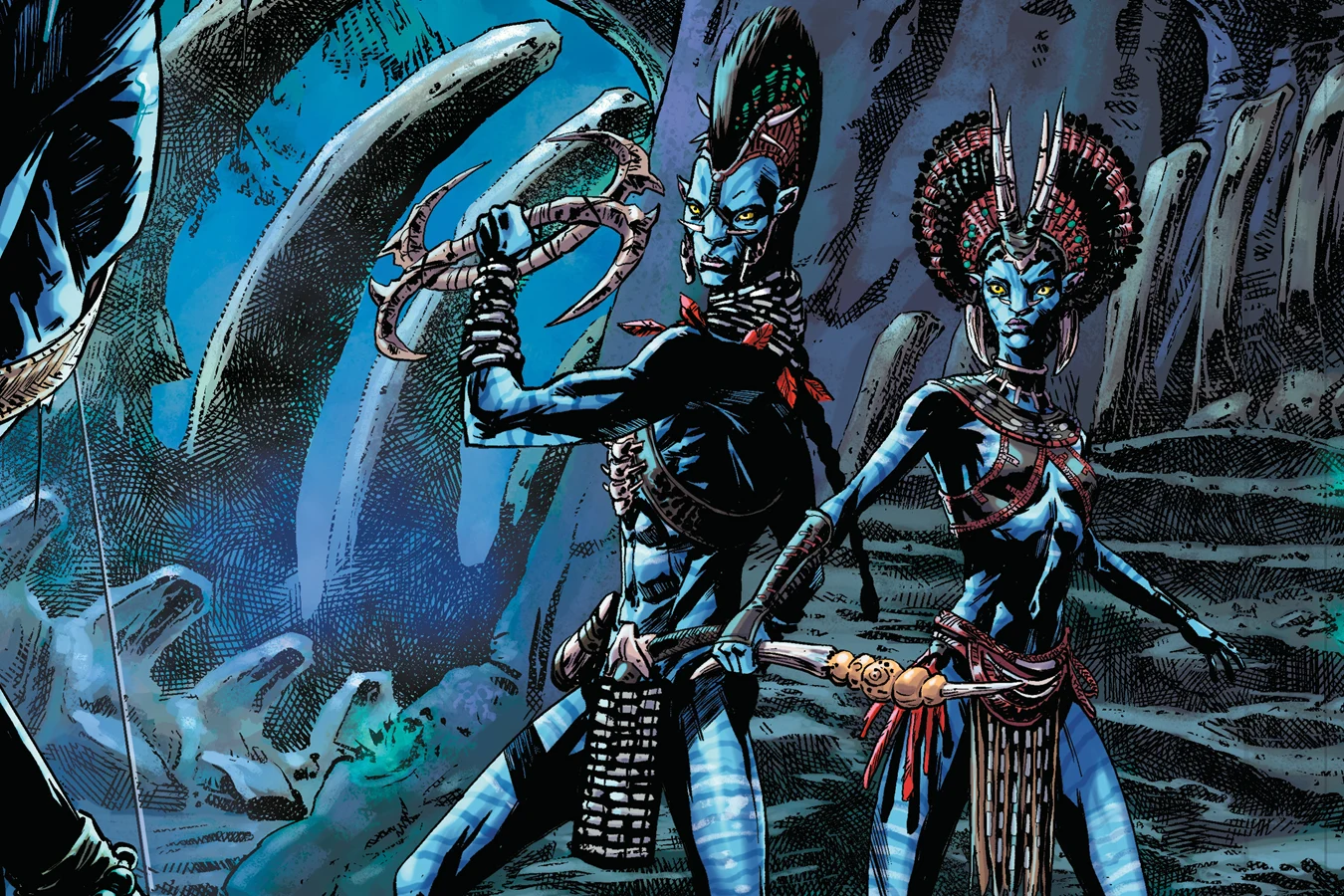
The Anurai clan was known for a close spiritual bond with great predators, especially the Thanator. Elders Tiali and Entok taught craft and patience, including rituals with a flute carved from thanator bone. After the fall of the Trr'ong, So'lek reached them, and Entok made him shape that flute himself instead of giving him easy answers. So'lek later calmed a wounded Thanator and earned Entok's respect. That stay pulled him away from blind revenge before he moved on toward the Tipani and the Western Frontier.
Tawkami Clan
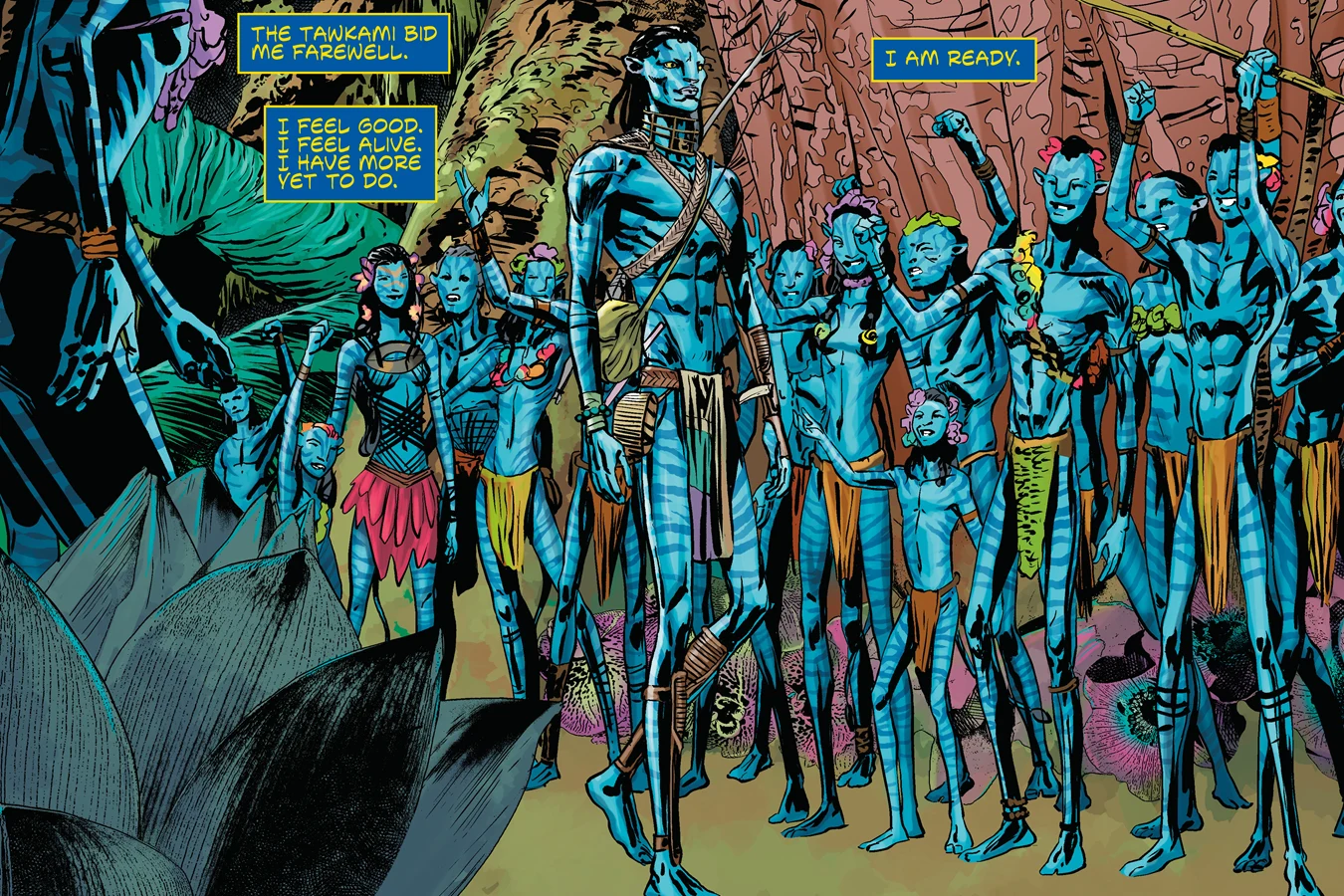
The Tawkami clan was known for plant lore and natural medicine. Thousands of years before the RDA arrived, a young Tawkami hunter named Ralu bonded with a Toruk and became the first Toruk Makto in Avatar: Toruk – The First Flight. Later, the healer Syanan nursed So'lek after viperwolves wounded him and taught him herbalism and Tawkami alchemy. After those months he continued west toward the Western Frontier in Avatar: Frontiers of Pandora - So'lek's Journey.
Kekunan Clan
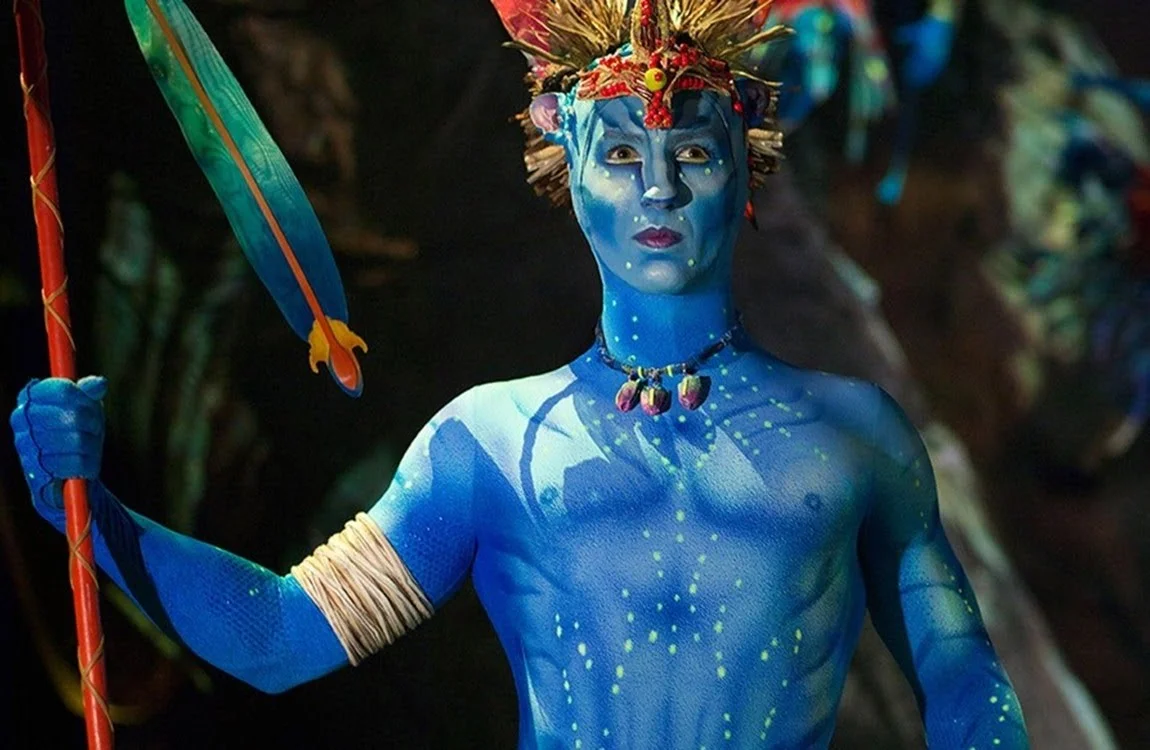
The Kekunan clan lived in the floating mountain regions and were recognized for their elite ikran riding traditions. Their hunters performed aerial ceremonies and dances that highlighted the bond between the rider and their banshee. Access to high altitude rookeries shaped their isolation from lowland clans, but they were respected for their bravery and mastery of vertical terrain. When the great call to battle came, their aerial advantage provided essential support during the large-scale clash against RDA aircraft. The Kekunan clan was part of the Avatar: Toruk – The First Flight performed by Cirque du Soleil, which is considered a canon prequel story.
Sarentu Clan
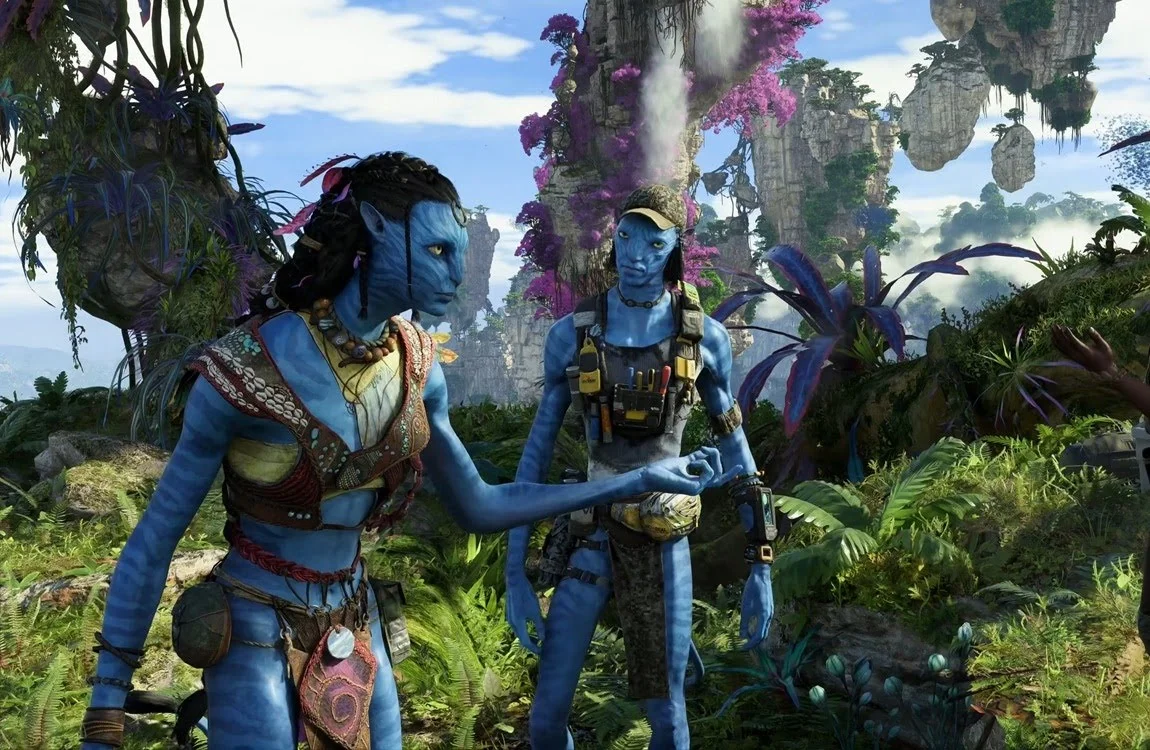
The Sarentu clan were known historically as a people devoted to storytelling, music, and diplomacy, which gave them an important cultural role among Na'vi societies. By the time of the Avatar: Frontiers of Pandora video game, the Sarentu had nearly been eliminated by their refusal to cooperate with the RDA during the early periods of occupation. The few survivors carried with them an intense commitment to preserving Sarentu's memory and educating other clans about their lost traditions. Their near extinction underscored the destructive impact of human expansion on Na'vi culture. The main protagonist in the game is also a Sarentu, but he or she is never given a name.
Aranahe Clan
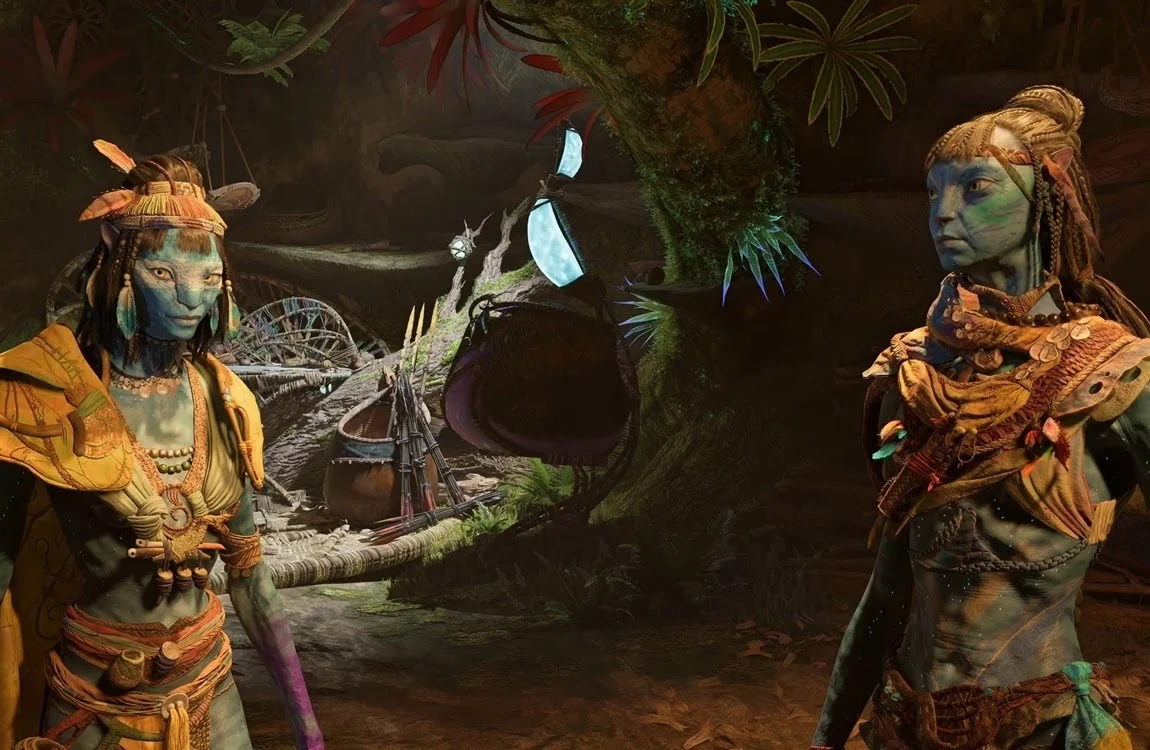
The Aranahe clan lived in the Kinglor Forest, a region shaped by towering vegetation and the presence of Kinglor creatures whose silk they utilized for weaving. Their craftsmanship was considered among the most intricate on Pandora, producing clothing and structures that reflected a refined aesthetic. They initially avoided large-scale conflict, preferring to maintain their independence, but later recognized the threat posed by the RDA's expansion. Their weaving skills and arboreal knowledge made them essential contributors to interclan resource networks. The Aranahe clan is prominent in the Avatar: Frontiers of Pandora video game, being the first clan that the protagonist visits.
Zeswa Clan
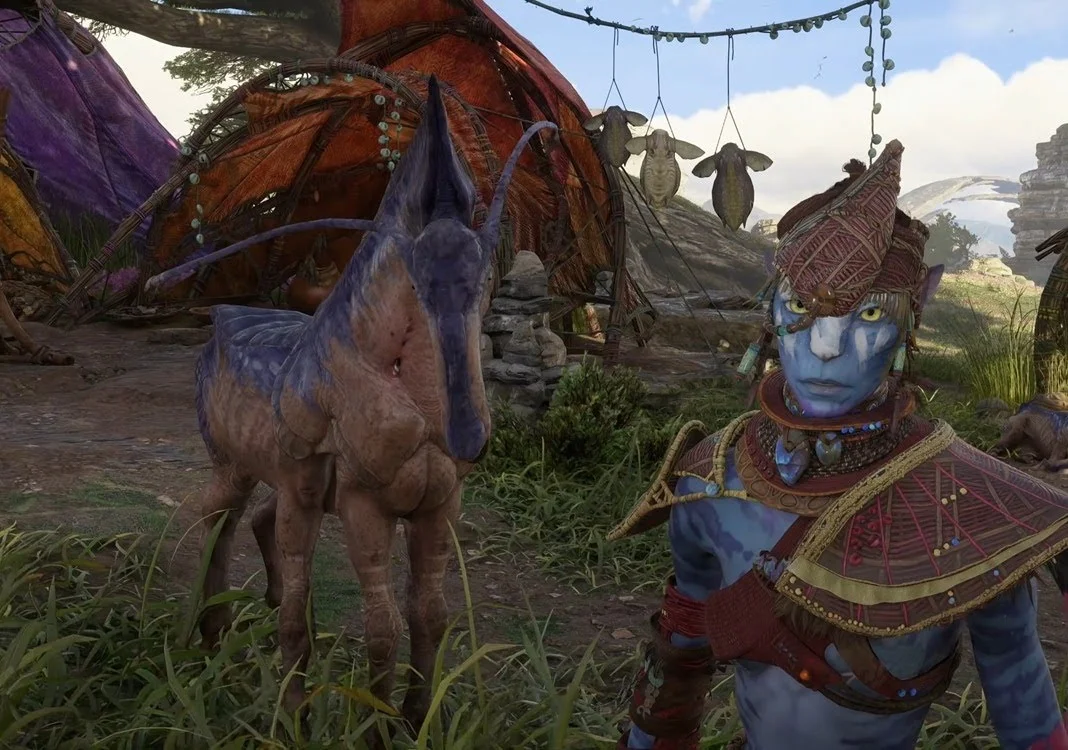
Also from Avatar: Frontiers of Pandora, the Zeswa clan inhabited the Upper Plains and lived a nomadic lifestyle supported by large zakru herds that provided transportation, food, and cultural identity. Their brightly colored wind kites and mobile camps allowed them to travel across vast distances shaped by heavy winds. The clan held strong warrior traditions and often confronted threats directly on their direhorses while wielding ranged Na'vi weaponry, using their mobility to great tactical effect. Their partnership with Zakru symbolized a deep ecological connection similar to the ikran bonds of aerial clans.
Kame'tire Clan
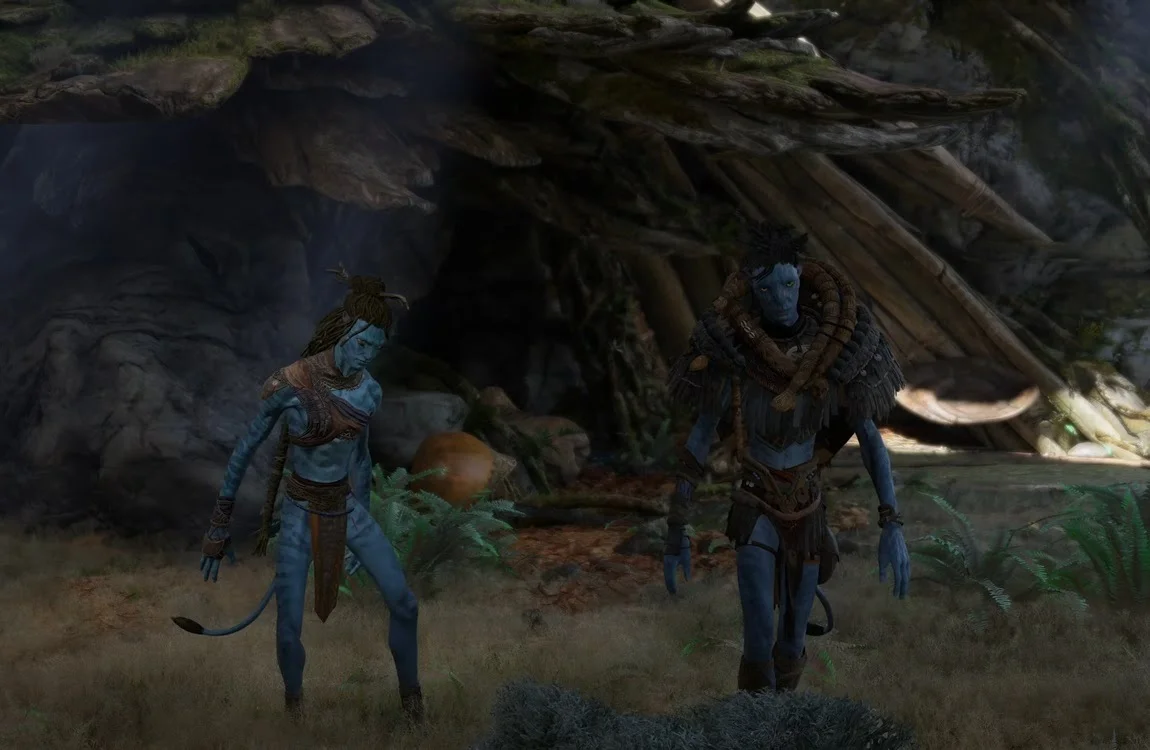
The Kame'tire clan lived in the Clouded Forest, an area defined by mist-laden terrain and dense plant life. They were recognized for extensive knowledge of medicinal flora and for maintaining ancient healing practices that supported surrounding clans. Their isolationist history stemmed partly from past interclan tensions, though they eventually joined broader alliances against human incursions. Cultural emphasis on spiritual healing and oral tradition made them guardians of some of Pandora's oldest remedies and rituals. The Kame'tire was the last clan the protagonist visited in the main game of Avatar: Frontiers of Pandora.
Mangkwan Clan
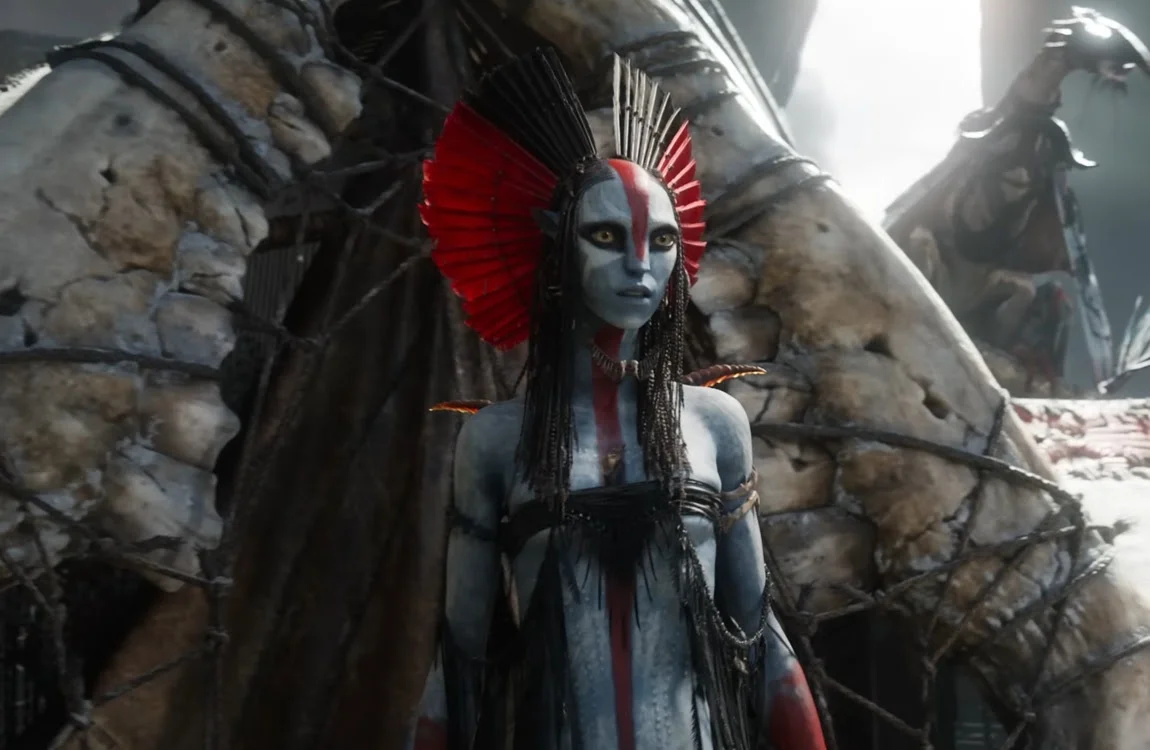
The Mangkwan clan, or the Ash People, lived near volcanic territories that eventually destroyed much of their homeland. This catastrophe contributed to their rejection of customary Na'vi beliefs and created a hardened outlook marked by resentment toward other clans. In later periods, some Mangkwan aligned with human forces, diverging from the Na'vi's spiritual unity under Eywa. Their trajectory illustrated how ecological trauma and cultural loss could lead a clan to abandon long-standing traditions. One of the newest clans in the Avatar series, they will act as villains alongside the RDA, although it's not clear if they fully ally with the humans.
Tlalim Clan
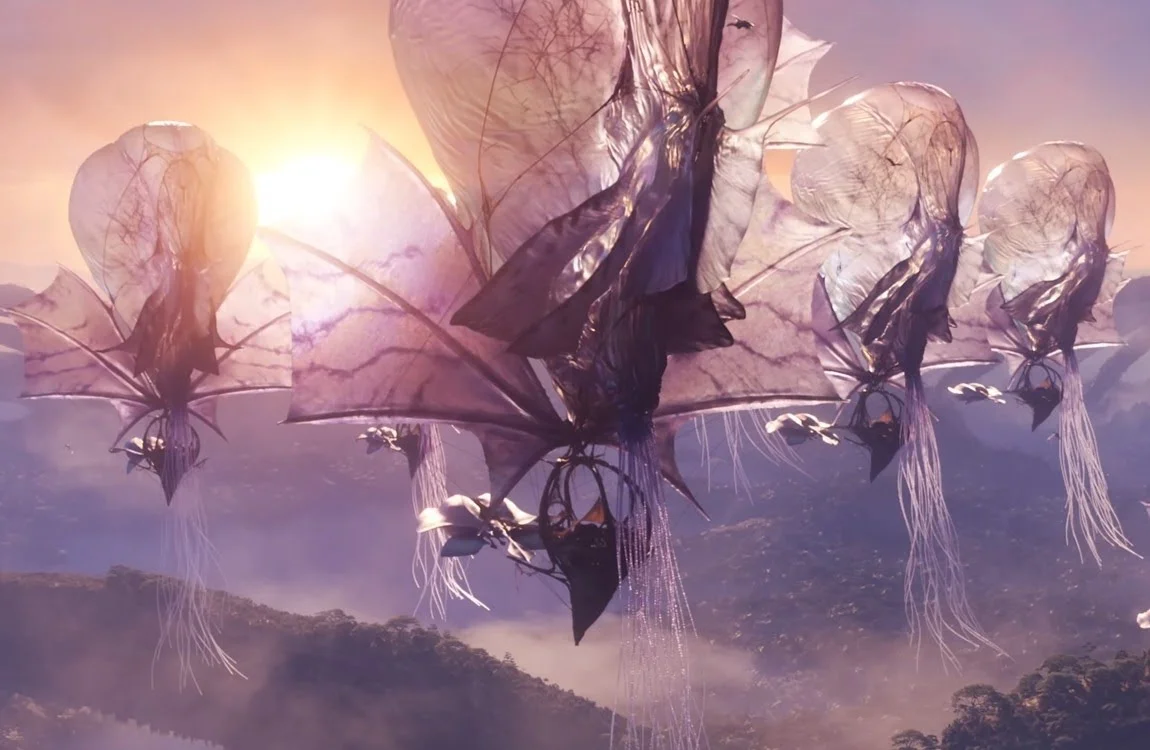
The Tlalim clan were nomadic wind-based traders who traveled long distances using windrays and medusoid creatures along aerial routes. Their role as merchants made them essential for spreading goods, stories, and diplomatic messages between otherwise isolated Na'vi groups. The clan's mobility shaped a flexible culture that valued negotiation and exchange over territorialism. Their air caravans served as moving cultural hubs that strengthened interclan cohesion across Pandora. Also from Avatar: Fire and Ash, the Tlalim clan provided Jake Sully's family with another refuge and help to transport them to another secure location.
Conclusion
The known Na'vi clans show how different life on Pandora could be from one region to another, with each group shaped by its own environment and traditions. From forest hunters to reef dwellers and wandering traders, every clan added its own history and identity to the larger Na'vi world. As more stories are told across films, games, and comics, the picture of Na'vi culture continues to grow, revealing new clans and expanding what is known about Pandora.
FAQ
Quick answers to common questions about Na'vi clans, Pandora tribes, clan leaders, and the most important groups in Avatar lore.
How many canon Na'vi clans are there?
There are currently fifteen known canon Na'vi clans on this list, depending on whether only film clans are counted or whether canon games, comics, and live productions are included.
What is the most famous Na'vi clan?
The Omatikaya clan is the most famous Na'vi clan. It was the central forest clan in the first Avatar movie and included Neytiri, Mo'at, Eytukan, and later Jake Sully.
What clan is Jake Sully part of?
Jake Sully became part of the Omatikaya clan after learning their ways, bonding with an ikran, and being accepted by the people. He later led the clan as Toruk Makto during the war against the RDA.
Which Na'vi clan is the strongest?
There is no single "strongest" Na'vi clan, as strength depends on environment and context. The Tipani clan is often described as one of the fiercest warrior clans in forest regions, while the Metkayina dominate ocean environments and the Omatikaya have proven the most influential in large-scale conflicts. Each clan specializes in different forms of combat, survival, and strategy across Pandora.
What is the ocean clan in Avatar?
The main ocean clan in Avatar is the Metkayina clan. They live among Pandora's reefs, ride ilu, bond with tulkun, and appear prominently in Avatar: The Way of Water.
What are the Ash People called?
The Ash People are called the Mangkwan clan. They are a volcanic Na'vi group connected to Avatar: Fire and Ash and are portrayed as much more hostile than most earlier Na'vi clans.
Are all Na'vi clans the same?
No, Na'vi clans differ by environment, lifestyle, customs, and physical adaptation. Forest clans, reef clans, plains clans, healer clans, and volcanic clans all developed different ways of surviving on Pandora.
Who leads a Na'vi clan?
A Na'vi clan is usually led by an Olo'eyktan or Olo'eykte, while spiritual guidance comes from a Tsahik. Some clans divide leadership between a political or war leader and a spiritual leader.
Are the Avatar: Frontiers of Pandora clans canon?
Yes, the major clans from Avatar: Frontiers of Pandora are treated as canon. These include the Sarentu, Aranahe, Zeswa, and Kame'tire clans.
Tag Categories: Avatar Lore