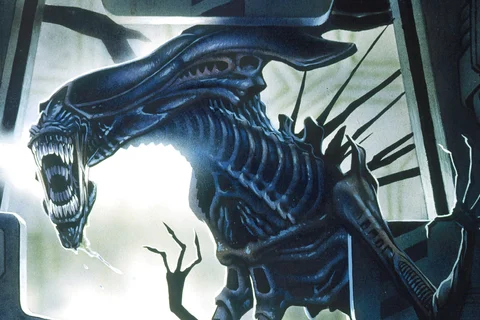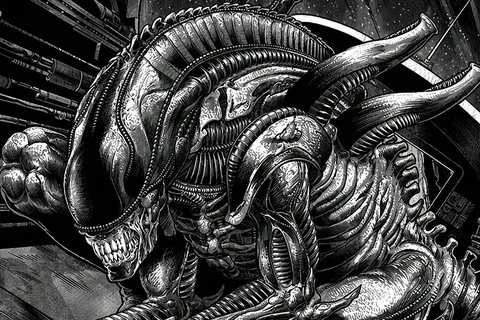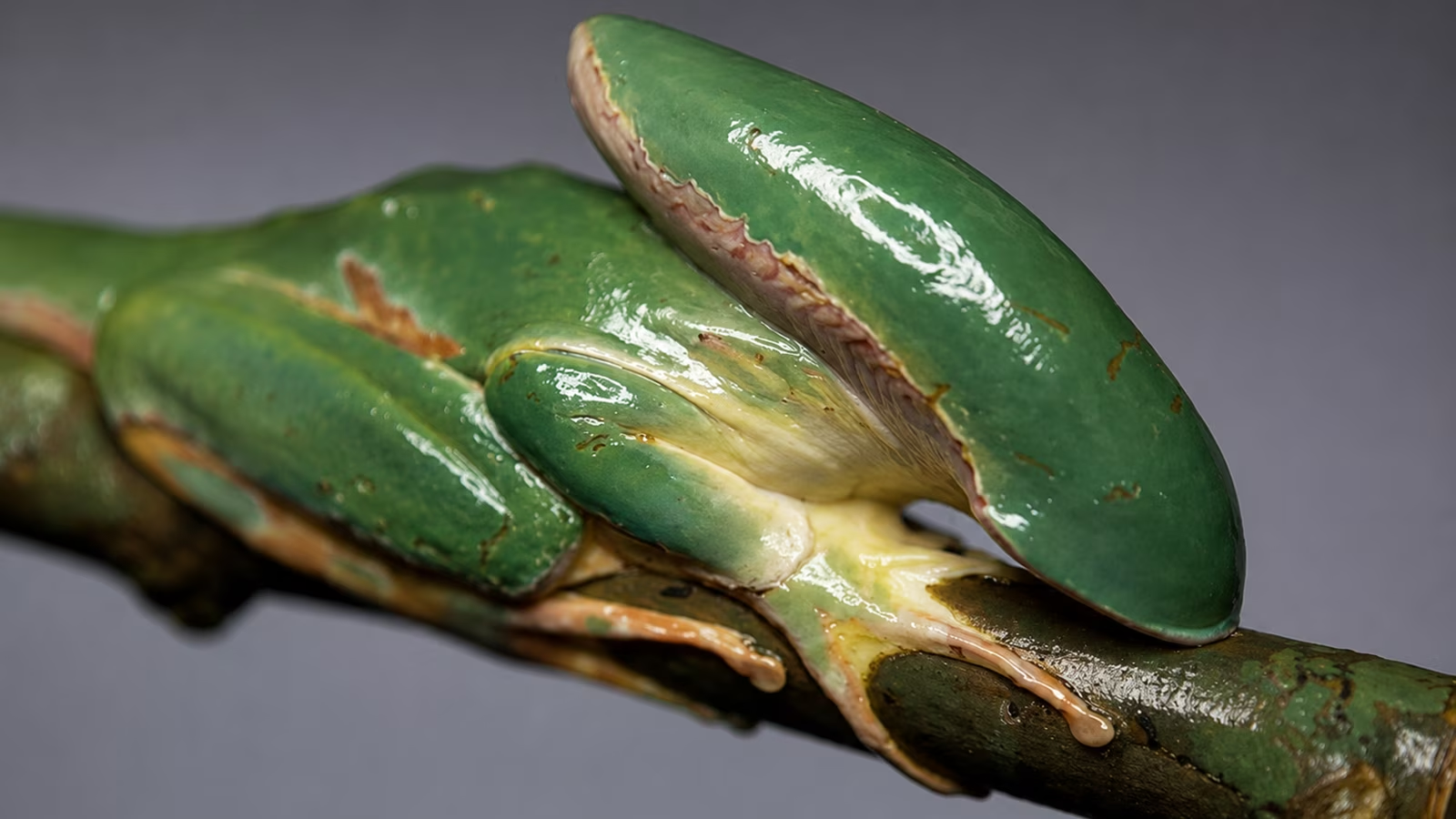

The Xenomorph Frog is a fictional and artistic concept and does not exist in real life nor inside the Alien universe. The Xenomorph frog was originally created by Chinese artist Li Changchun, depicting a frog-like organism imagined with Xenomorph traits. This article examines both the artistic origins of the Xenomorph Frog and the possible biological pathways through which such a being could plausibly be born.
The Xenomorph Frog By Artist Li Changchun
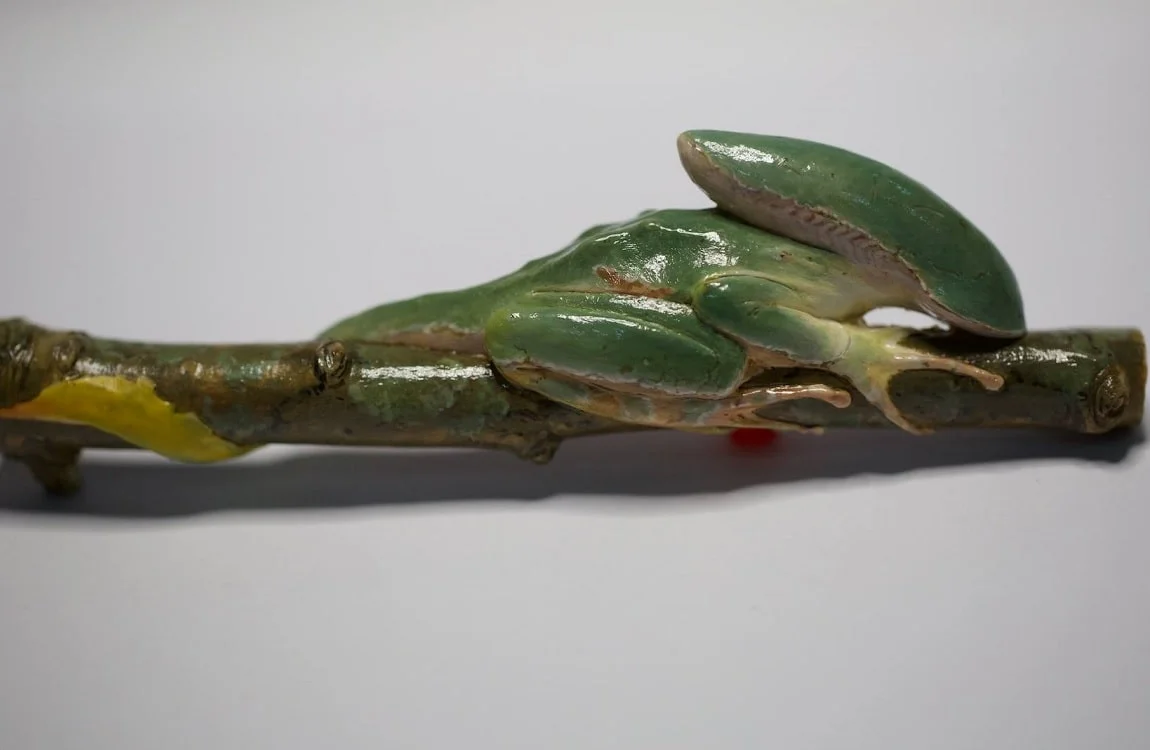
The modern idea of the Xenomorph Frog is closely associated with the work of Chinese artist Li Changchun. Li creates hyperrealistic sculptures that merge real-world animals with Xenomorph-inspired features, producing creatures that appear both organic and biomechanical. His frog sculptures incorporate elongated limbs, alien tails, smooth exoskeletal textures, and blank or eyeless faces reminiscent of Xenomorph Warriors. Due to their extreme realism, these works are frequently mistaken for real organisms or official designs from the Alien franchise. Li Changchun's sculptures intentionally blur the line between biology and science fiction, presenting creatures that feel plausible within the universe while remaining purely artistic interpretations.
Xenomorph Frog Characteristics
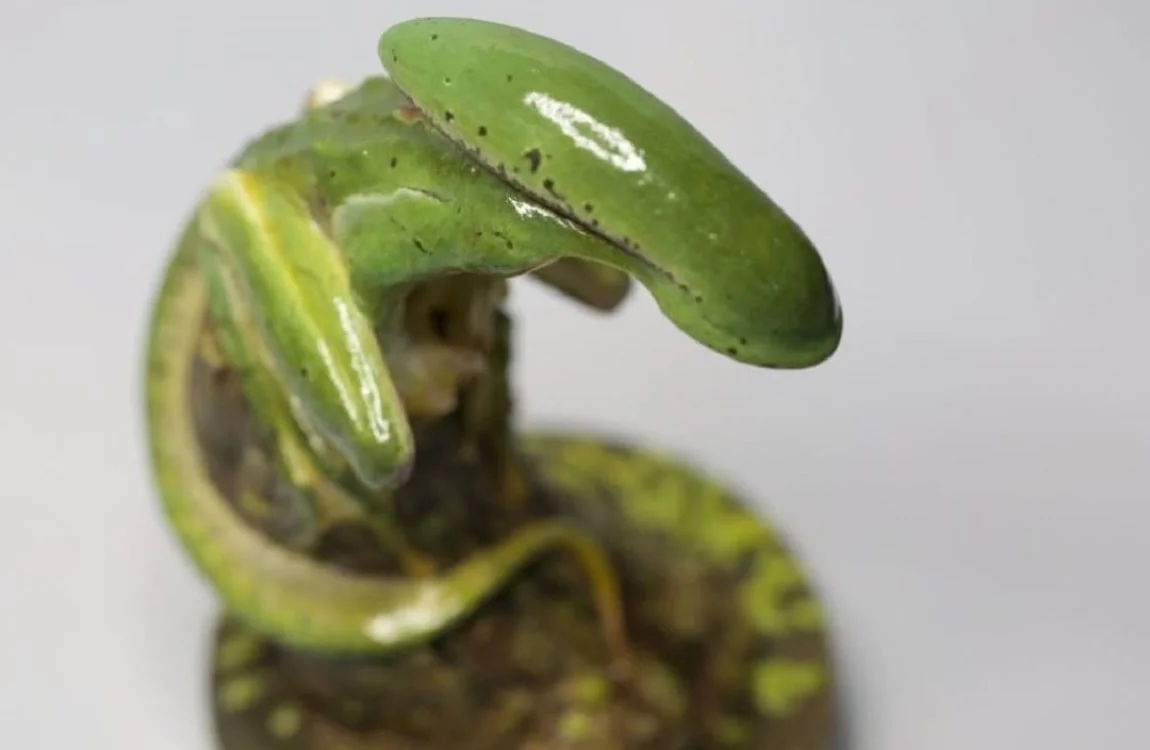
In visual depictions, the Xenomorph Frog maintains a low, crouched amphibian posture while displaying several defining Xenomorph traits. The skin often appears glossy and dark, resembling a biomechanical shell rather than natural amphibian flesh. Limbs are elongated and muscular, with clawed digits adapted for gripping and ambush predation. The eyes have been removed entirely, replacing them with smooth, domed surfaces similar to those seen in traditional Xenomorph designs. Most likely, the creature would have acid for blood. Despite its small size, the creature is typically portrayed as aggressive and predatory.
The Improbability Of A Facehugger Infecting A Frog
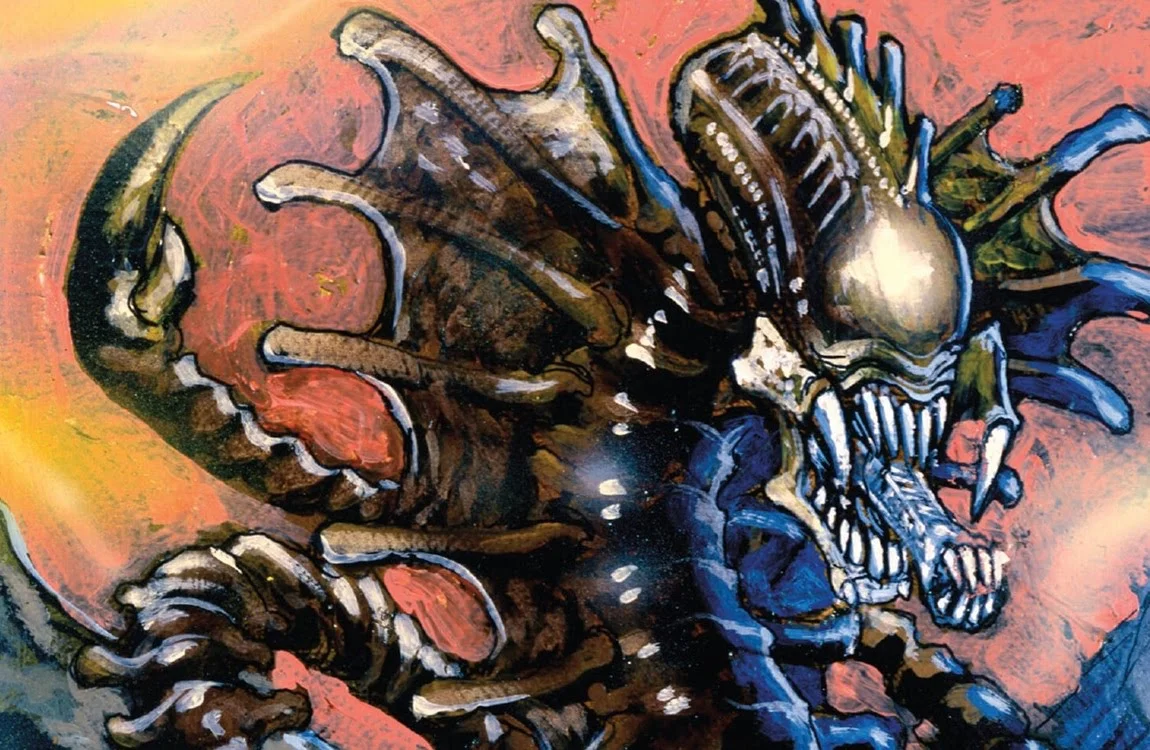
Within established Alien lore, the classic Facehugger-based life cycle makes a Xenomorph Frog highly unlikely. Facehuggers are adapted to implant embryos into hosts large enough to sustain rapid internal growth, and a frog's small body mass and limited internal space would not realistically support a developing chestburster. However, expanded universe material demonstrates that xenomorphs are not limited to big humanoid hosts. Examples include the Snake Alien from Aliens: Space Marines and insectoid variants such as the Mantis Alien. These examples suggest that while a frog host is biologically improbable, it is not entirely incompatible with such an Earth-based biological host.
A Black Goo Pathogen Mutation
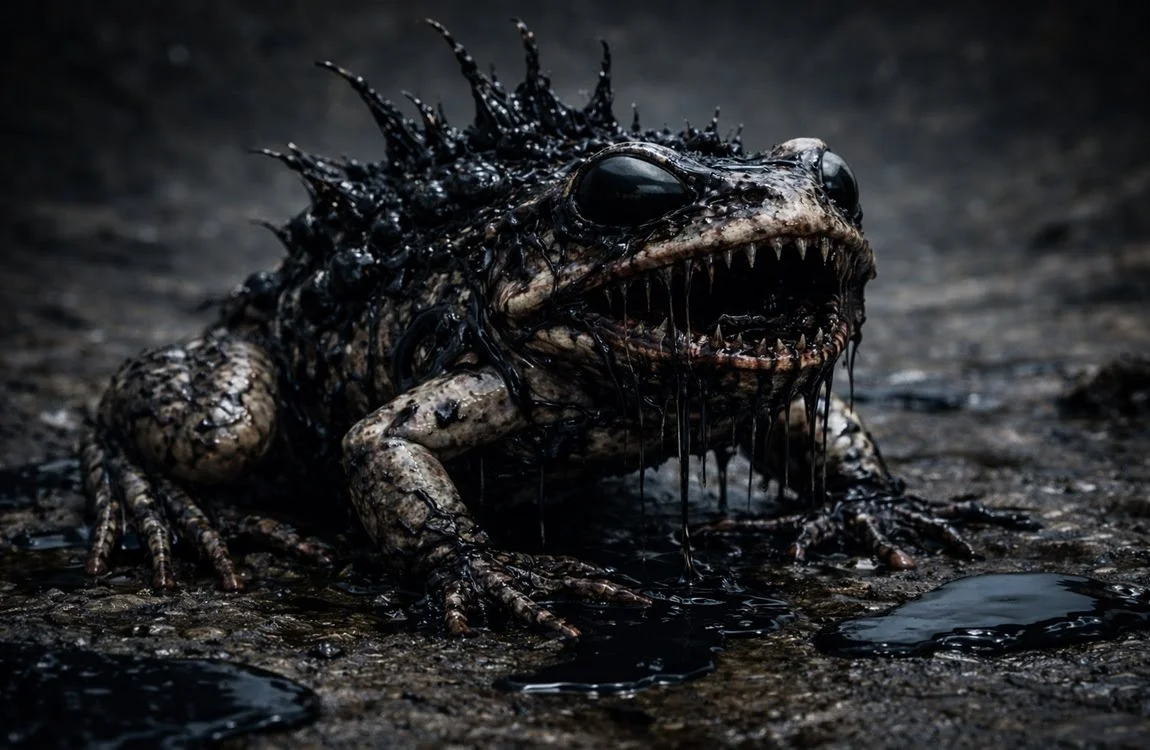
A more plausible origin for a Xenomorph Frog exists through exposure to the Black Goo Pathogen introduced in Prometheus. Unlike Facehuggers, the Black Goo operates through direct infection and causes rapid, often extreme mutations across a wide range of organisms. Small animals are shown to be particularly vulnerable to its effects, such as the small worms in Prometheus mutating into the Hammerpede creature. Under this model, a frog exposed to the pathogen could undergo radical transformation into a hostile, Xenomorph-like organism without requiring implantation.
Conclusion
The Xenomorph Frog is not a real or canonical creature, but an artistic creation that fits well within the visual language of the Alien franchise. While a traditional Facehugger origin is unlikely, mutation through the Black Goo Pathogen offers a more plausible explanation within established lore. As both an art concept and a speculative biological idea, the Xenomorph Frog shows how even the smallest lifeforms could be transformed by the Xenomorph.
Tag Categories: Xenomorph Appearance | Alien Lore